Terrence Henry reports on energy and the environment for StateImpact Texas. His radio, print and television work has appeared in the New York Times, The Washington Post, The Atlantic, NPR, The Texas Tribune, The History Channel and other outlets.
He has previously worked at The Washington Post and The Atlantic. He earned a Bachelor’s Degree in International Relations from Brigham Young University.
Do you ever enjoy the cool breezes on the beaches of the Gulf Coast? Well, those winds could one day be cooling you down in your own home.
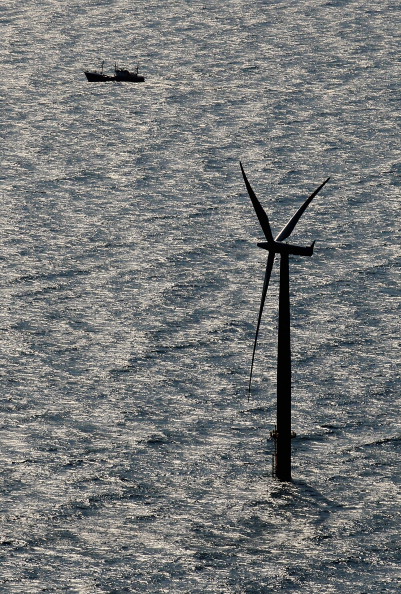
A few years from now, you might stand on the shore and see miles and miles of massive three-pointed stars rotating along the surface of the sea. They’re offshore wind turbines, and hundreds of them may one day dot the horizon.
Mention “offshore wind” to Mark Leyland, and he becomes almost wistful. “Ahh, offshore wind,” the Senior Vice President for Wind Energy Projects at Baryonyx says. “Even though a lot of people in Texas have seen onshore wind, I always say that offshore wind and onshore wind are only similar in one respect: they [both] have the word “wind” in their title.”
Even though he grew up in Britain, or as he likes to call it, “East Texas,” Leyland has spent the last few decades building offshore oil rigs in the gulf. He now wants to bring that drilling expertise to wind, and so his company has leased 67,000 acres of land off the coast of Texas to build hundreds of giant wind turbines. Continue Reading →
Stop me if you’ve heard this one before: Government forecasters today reported that the drought will not be over before Spring.
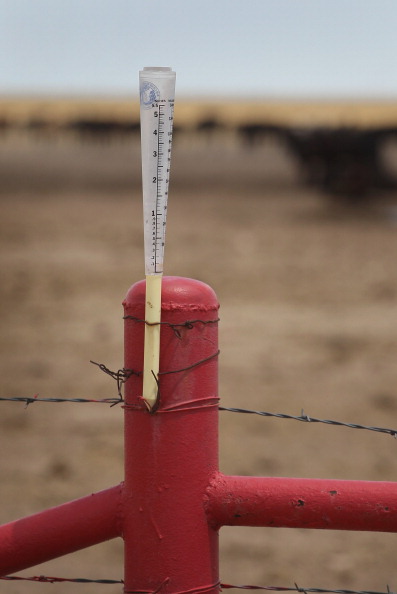
La Niña, the dry weather pattern that has been in part responsible for the drought this past year, is going to stick around a little longer, say scientists with the National Oceanic and Atmospheric Administration (NOAA). That means “drier-than-average” conditions throughout the South and Texas.
La Niña is a weather pattern where the surface temperatures are cooler in the Pacific, which creates drier, warmer weather in the southern U.S. (You may also know her counterpart, El Niño, which generally has the opposite effect.) La Niña sticks around for a year, sometimes longer, and tends to return once every few years. The last La Niña occurred in 1995.
But a majority of the NOAA models of La Niña predict that it will dissipate from March to May. Continue Reading →
Tuesday we told you about the man who paid for (and charges) his Chevy Volt with solar panels on the roof of his house. Today comes news he’s going to have to do with a loaner for a little while.
In what the Associated Press is calling a “move similar to a recall,” General Motors is going to ask owners of the plug-in vehicle to bring their cars in, so that the casing around the battery can be strengthened.
This rig uses hydraulic fracturing to obtain gas from Texas' Barnett Shale formation. Photo courtesy of KUT News.
After a 4.0 earthquake struck Youngstown, Ohio Saturday, some people were scratching their heads and asking, did hydraulic fracturing (aka “fracking”) cause this? After all, it was the eleventh quake since March, and the most intense. On top of that, all of the quakes have been centered around a deep well used to dispose of hydraulic fracturing fluid used to drill for natural gas.
A few days have passed, and we now have some more answers about the quake and how it is related to drilling. The disposal wells in Ohio are similar to ones used in Texas, where we had our own 4.8 magnitude earthquake near drilling and disposal sites in the Eagle Ford Shale in October. The seismic activity in Texas, Ohio and elsewhere may indicate a link between fracking fluid disposal wells and earthquakes.
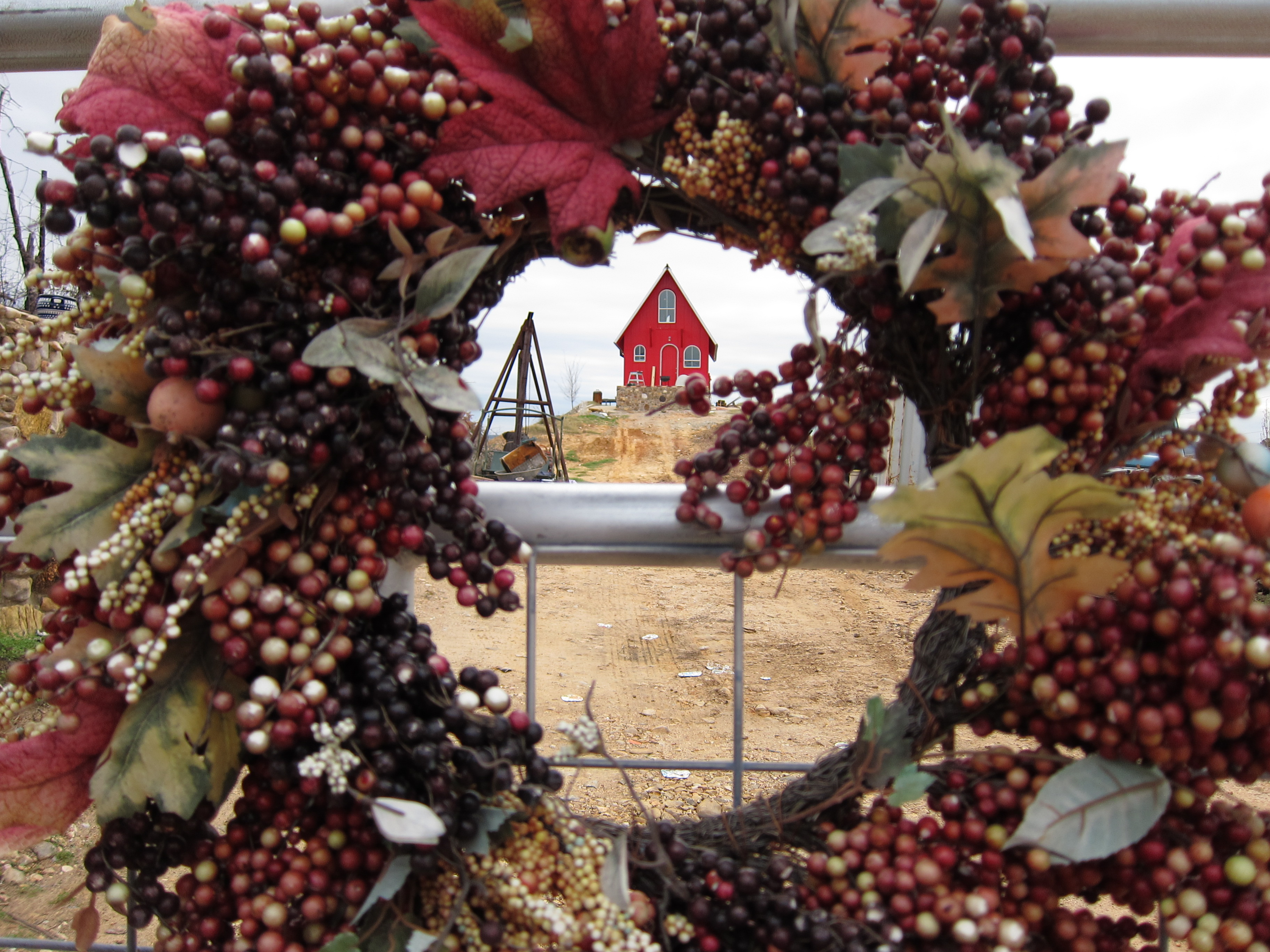
Amid the ruins of Bastrop, many new homes have already been built.
If you are one of the thousands of people in dozens of counties in Texas affected by the Labor Day wildfires last year, time is short to register for disaster relief assistance from the Federal Emergency Management Agency. The deadline is Friday.
“We urge Texans who sustained any damage or property loss to register with FEMA, even if you have insurance or think you won’t qualify for assistance,” Federal Coordinating Officer Kevin L. Hannes of FEMA said in a release. “Let us review your case to see whether FEMA can help.”
Friday is also the deadline to apply for low-interest disaster loans for property damage from the U.S. Small Business Administration. Continue Reading →
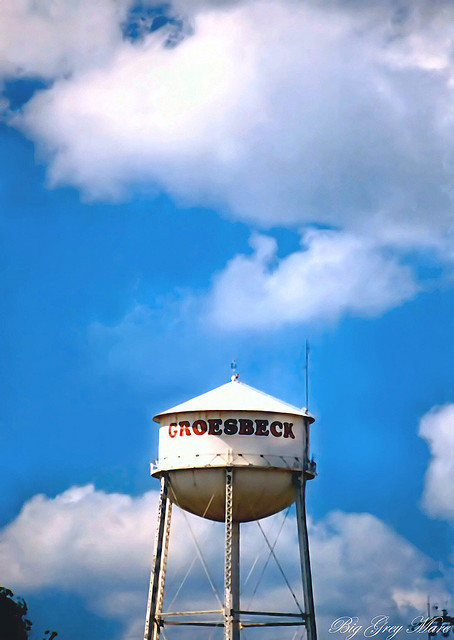
Photo by Flick user by Big Grey Mare ~ Back--But Barely/Creative Commons
The Groesbeck Water Tower
You might recall the town of Groesbeck, a small community of just over 4,300 residents east of Waco. Like many small towns in Texas this year, Groesbeck has been struggling with how to supply its residents with water in the midst of record-breaking heat and drought. The town gets all of its water from the Navasota river, and by late fall the river was 44 inches below normal. In November, the Texas government said the town could run out of water in a few weeks. (It even made national news.)
Since then, things have turned around for Groesbeck. In late November, the town announced that they had literally bought a few more months of water. A three-mile pump was installed further up the river to bring in more water. And December rains have brought more relief, with over five inches falling last month. Continue Reading →
The change doesn’t amount to much, as residents are still only allowed to water with sprinklers or irrigation one day a week. But under the Stage 2 restrictions, you could only water from 3 a.m. until 8 a.m. and from 8 p.m. until 10 p.m. With Stage 1, those hours are extended a little, from 12 a.m. to 8 a.m. and from 8 p.m. to 12 a.m. one day a week. No sprinkler or irrigation watering is allowed between 8 a.m. and 8 p.m. So if you’re a night owl or early bird, you now have five more hours to water your lawn in San Antonio.
A Chevy Volt gets a charge in Austin. Photo by Nathan Bernier, KUT News.
It’s the first feel-good sustainability story of 2012. A man in Orlando, Florida installed solar panels on the roof of his home, sold the excess power back to the grid, and then used that money to make a down payment on a new Chevy Volt, the plug-in car that gets 60 miles to the gallon.
Now those solar panels are charging his new car.
Bob Stonerock has made $5,600 from selling excess power from his solar roof panels back to the grid over the last two years, the Orlando Sentinel reports, and used that cash to make a down payment on the Volt. The paper says Stonerock “estimates that he will be able to fuel the car almost exclusively from the electricity from the solar panels that power his vehicle-recharging station.”
But before you start attaching panels to your own roof, keep in mind that Stonerock’s solar success is in part due to some creative accounting. Continue Reading →
Reader CT was one of the first to ask “How about leaving that oil in the ground and seeking renewable energy sources?” Reader Dale096 agreed, saying “The extraction of this oil uses and pollutes unfathomable amounts of water and destroys vast tracts of Boreal forests. Invest in alternatives, leave fossil fuels in the history books.” Continue Reading →
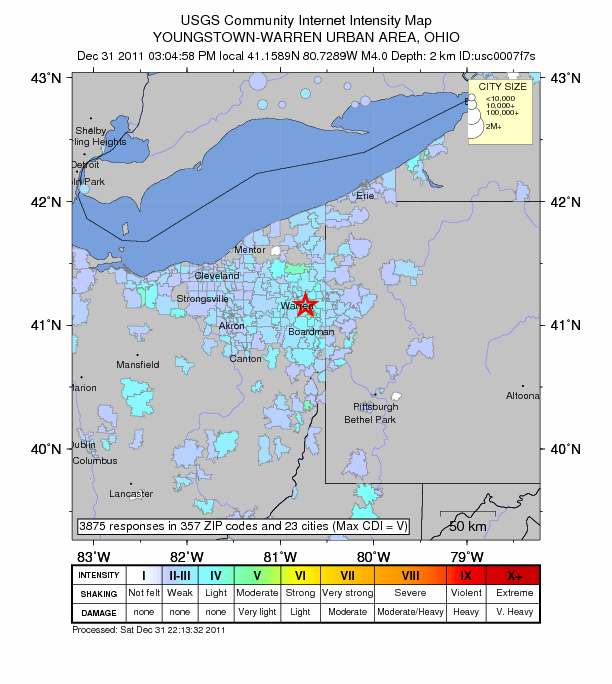
A map of the internet response to the Ohio earthquake, with its epicenter
What happened with the earthquake in Ohio over the weekend, and how is it linked to fracking? Here’s what we know:
The earthquake measured 4.0, the largest in Ohio this year.
The New York Times is reporting that Ohio officials say the earthquake wasn’t caused by fracking, but rather by injection wells disposing of used fracking fluid. These wells are used to send the wastewater from fracking (a mix of water, sand and chemicals) deep underground for disposal.
The Times is also reporting that officials in Ohio say dispoal operations will “remain halted in the Youngstown area until scientists could analyze data from the most recent of a string of earthquakes there.”
This is the eleventh earthquake in the Youngstown area this year, and the most intense one. The earthquakes have all taken place near an injection well that goes 9,200 feet deep, according to the Times, and “as been used for the disposal of millions of gallons of brine and other waste liquids produced at natural-gas wells.” Continue Reading →
About StateImpact
StateImpact seeks to inform and engage local communities with broadcast and online news focused on how state government decisions affect your lives. Learn More »