Background
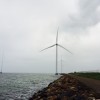
Wind energy is a renewable form of energy derived from wind turbines. Unlike fossil-fueled power plants, wind farms generate no carbon dioxide and require no water.
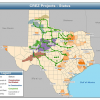
Texas leads the nation in wind energy production, with nearly three times the wind capacity as the second leading state, Iowa. With its near-constant wind speed of 17 mph, experts say West Texas is perfect for wind production In April 2010, wind produced 12.1 percent of the state’s electricity, using more than 2,000 West Texas wind turbines to reach that volume.
The Roscoe Wind Farm, in Roscoe, Texas, Nolan County, is the largest wind farm in the world, generating 800 megawatts of energy—enough to power 265,000 homes. The farm spans parts of four Texas counties and covers nearly 100,000 acres. Most of the state’s new wind capacity in the last two years has occurred in the Abilene-Sweetwater area just east of Roscoe.
Wind power in Texas also brings economic benefits to landowners and their local communities. Several landowners in West Texas have formed associations such as the West Texas Wind Energy Consortium to negotiate wind leases. Landowners stand to make a steady income from compensation received for having turbines placed on their property.
Despite the benefits of wind as a nearly pollution-free power source, there are some limitations. Wind power is intermittent and unpredictable, especially in summer when energy production is needed most. Storing commercial quantities of energy generated by the wind turbines has presented challenges. Massive turbine blades have also been known to kill birds and bats.
Some Texas landowners have strongly opposed wind energy development in the state, filing lawsuits to halt wind farms said to be eyesores on the otherwise scenic landscape. Mostly this opposition has done little to slow the rapid growth of wind power in Texas. Coastal Point Energy, a Texas wind development firm, is on pace to purchase and install the first offshore wind turbine in America by the end of 2011.