Dave Fehling is the Houston-based broadcast reporter for StateImpact. Before joining StateImpact Texas, Dave reported and anchored at KHOU-TV in Houston. He also worked as a staff correspondent for CBS News from 1994-1998. He now lectures on journalism at the University of Houston.
Deep in the Heart of Texas Oil: an Italian restaurant has pulse of industry
Barbie Lomonte works in a part of Houston that has one of its biggest concentrations of oil and gas companies. She knows a lot about the industry and what the price for a barrel of oil means to it.
“Business has been wonderful, oil and gas are doing well and I have nothing to complain about,” said Lamonte as her employees bustled around her, filling orders.
She herself isn’t an oil trader nor does her company do any drilling. But it does use lots of oil. But of the olive variety, not Texas tea. She owns Lomonte’s Italian Restaurant.
“We’re right in the middle of the Energy Corridor,” said Lomonte.
The Energy Corridor is what the locals call a strip along Interstate 10 that runs west out of Houston. From Lomonte’s restaurant, you can drive less than two miles and pass the headquarters of ConocoPhillips, BP America and CITGO. At lunch time, a shuttle bus brings geologists, oil engineers, and accountants by the dozens to Lomonte’s and several other eateries clustered under big live oaks.
Lomonte has run the restaurant for over two decades and has shared the roller-coaster ride that is the oil business in Texas.
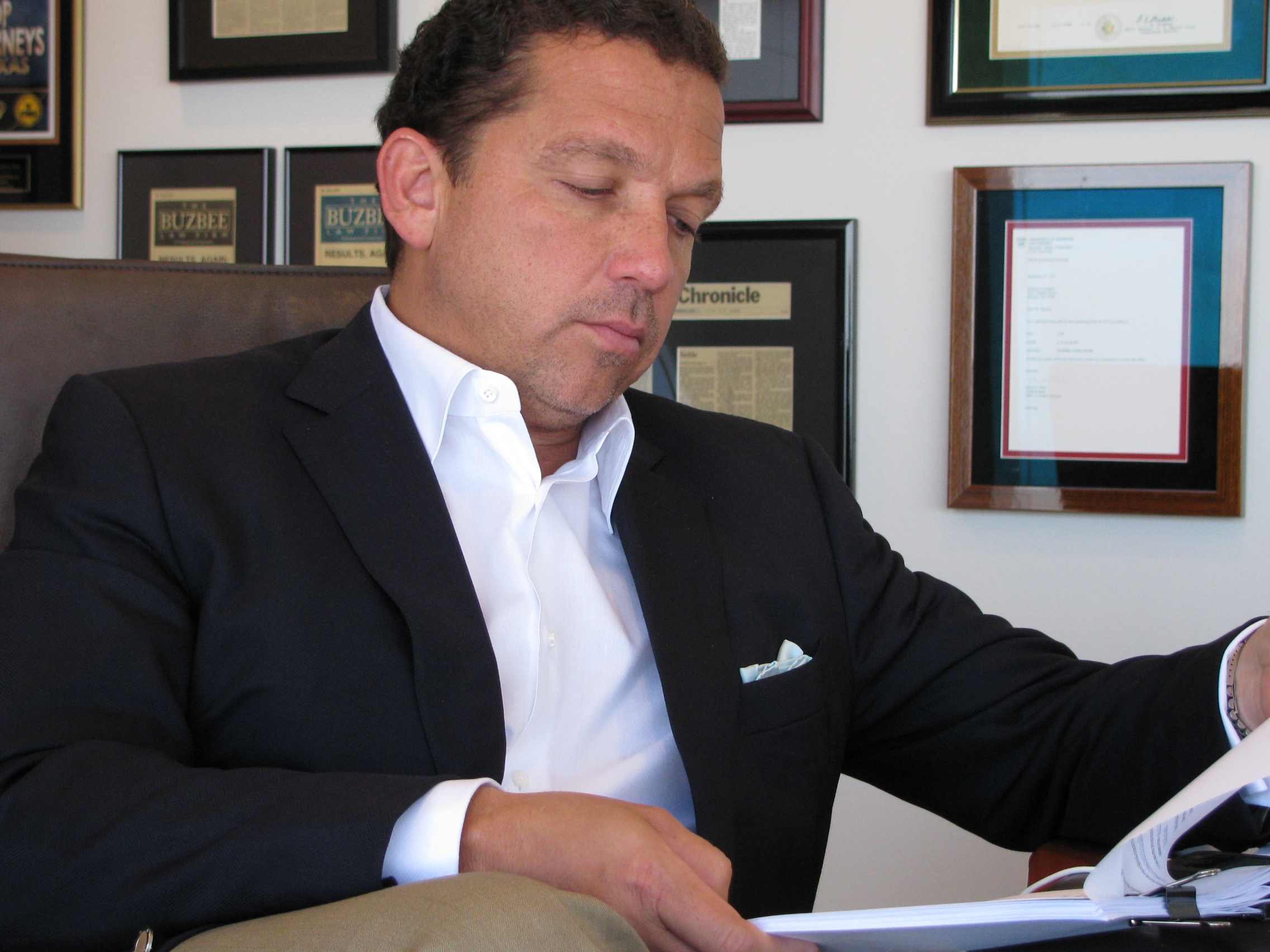
Houston Lawyer Anthony Buzbee: "The new way of going about it is massive, massively large cases like the one in Texas City "
The Houston law office of Anthony Buzbee is on the 73rd floor of the tallest building in Texas. There are only two more floors to the top. The furniture is modern, so is the artwork on the walls. It all reflects the success Buzbee has had suing some of the nation’s biggest companies. And now he says he has a new approach to make companies compensate people who’ve lived near chemical plants that have had pollution problems.
“It’s saying a lot that these people who’ve put up with so much have finally decided the state is failing us, the EPA is failing us, we’re going to try to do it ourselves through the court system,” Buzbee said in an interview with StateImpact Texas.
Texaco Inc. Photograph Collection, Courtesy Sam Houston Regional Library, Liberty, TX
The early days of drilling in East Texas but does anyone know where all the wells are now?
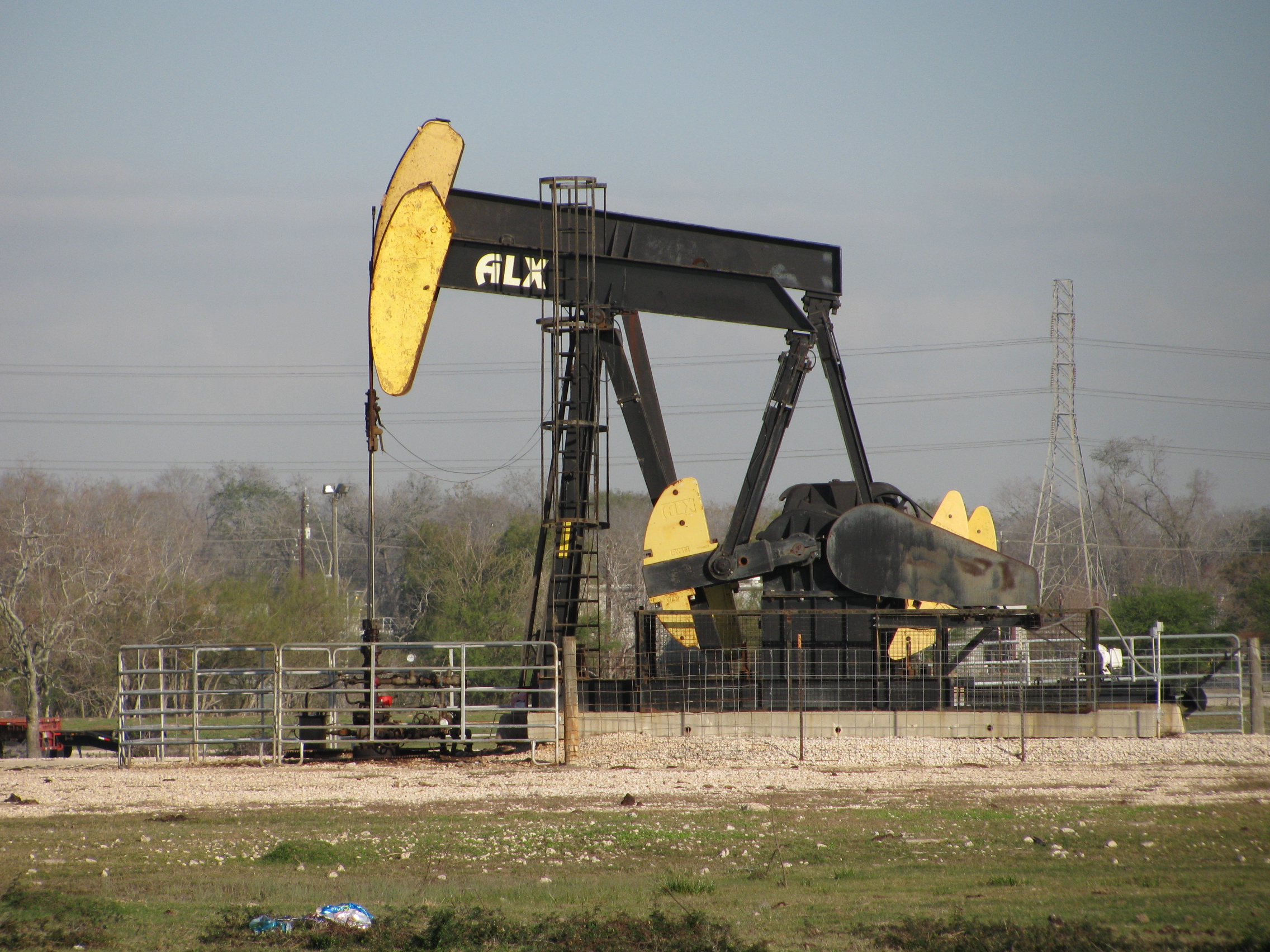
Scattered across the oil and gas fields of Texas where fortunes have been won and sometimes lost, there are at least 7,869 abandoned wells. The Texas Railroad Commission (RRC) which regulates drilling calls them orphans.
By the RRC’s count, there are an additional 5,445 wells that are inactive and whose operators are delinquent in meeting regulations. Add to all that an unknown number of orphan wells drilled decades ago for which records have been lost, if they ever existed.
You can find some of the orphans in the South Liberty Oil field in Liberty County. It’s just 45 miles east of Spindletop, the iconic oil field in Beaumont that a century ago was the most productive in the world.
This is the second of a four-part collaborative series by StateImpact Texas and Oklahoma on the economic and environmental impact of the Keystone XL pipeline. You can read part one of our series on the Keystone XL pipeline here.
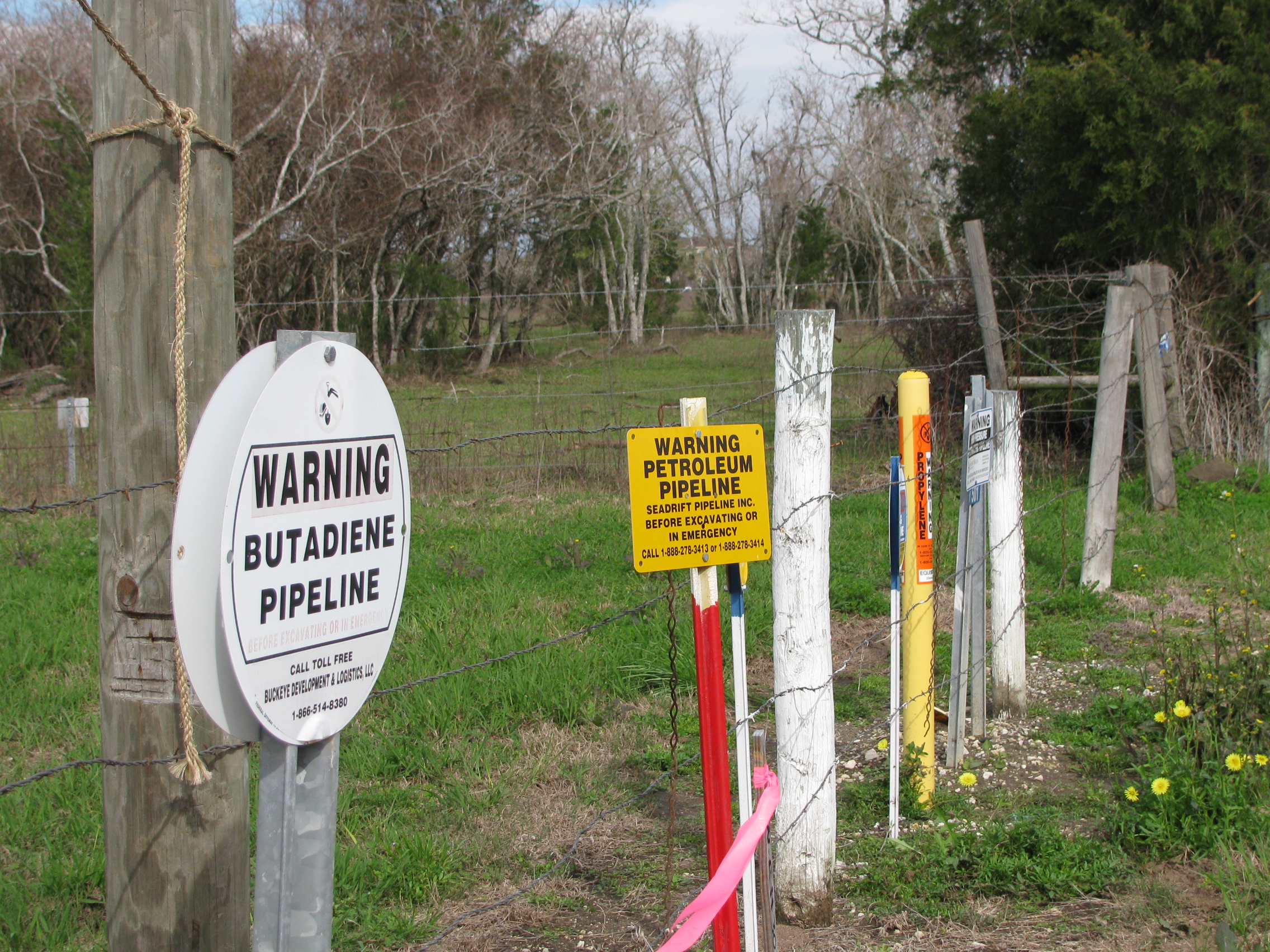
The United States loves crude from Canada. No other single foreign country is now providing more imported oil to the U.S. But with the proposed Keystone XL pipeline has come the claim that the crude from north of the border is uniquely risky.
Last June in Washington, the House Energy and Power Subcommittee questioned a federal regulator about whether pipelines in the United States were built to handle the kind of crude coming from Canada, diluted bitumen.
“Were your regulations developed with the properties of diluted bitumen in mind?” asked Rep. Henry Waxman, a Democrat from California. Continue Reading →
Volunteers count mussels in Lake Arrowhead State Park in North Texas
You may have had mussels steamed in a bit of white wine and butter. But they most likely weren’t mussels from rivers or creeks in Texas.
“Their favorite food is bacteria. They are filter-feeders, the vacuum cleaners of the river systems,” said Marsha May, a biologist with the Texas Parks and Wildlife Department.
“They’re taking in all kinds of things that can be found in streams and rivers. And so they could be toxic,” cautioned May.
Not exactly appetizing. And maybe worse is what it says about the state of those Texas waterways.
“(Mussels) are an organism we consider a biological indicator of the health of the system,” said May.”Once the mussels start going, other organisms are going to follow.”
It has been dubbed “Big Chicken“: the revolution in how poultry is raised and processed. Chicken that once came from small, family farm operations is now produced by networks of huge chicken-growing complexes and sprawling processing plants.
Texas is a major player, ranking sixth in the nation for poultry production. But with the growth has come concern over how concentrating the operations could increase pollution: the run-off from tons of manure and the millions of gallons of wastewater released by processing plants into streams and creeks.
Oil and Gas royalties paid to the State of Texas average $865 million a year
Energy companies are paying billions of dollars in oil and gas royalties to Texas landowners. But some owners say they’ve been short-changed. The biggest among them: the State of Texas.
“If they don’t pay the royalty, that’s stealing,” Texas Land Commissioner Jerry Patterson told StateImpact Texas.
Patterson said his office is currently negotiating with two big oil companies (which he declined to name) for years of underpayments. Patterson said the the unpaid royalties could total upwards of $100 million.
In the past several years, his office has collected royalties totaling an average of $865 million dollars annually. The money goes into a fund for public education. Continue Reading →
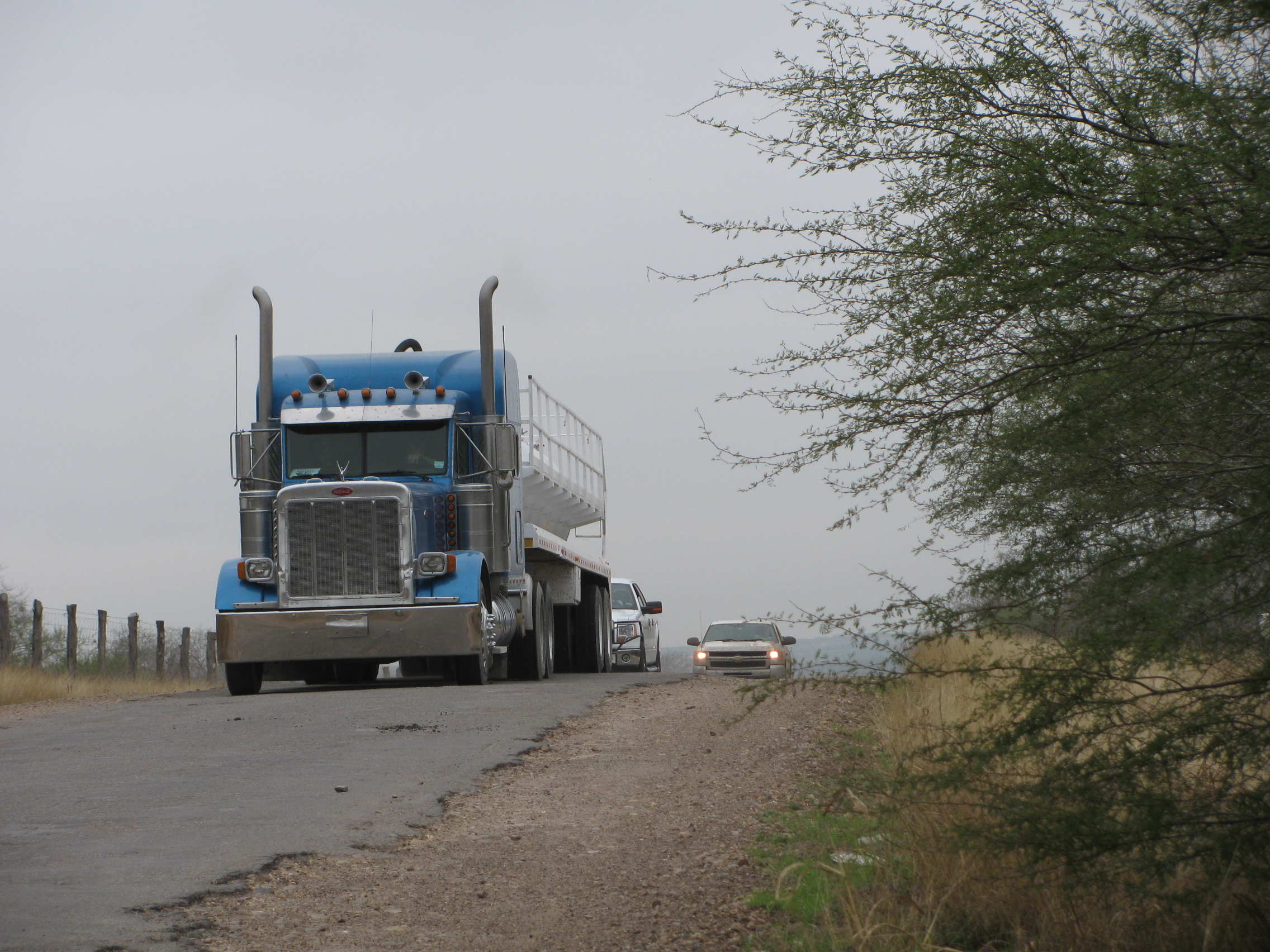
Texas could be looking at spending possibly hundreds of millions of dollars for road repairs and improvements to cope with the surge in oil and gas drilling.
“We have a task force [that] in the next 90 days is going out and talking to all the partners involved in the activity to see what we can do,” Mark Cross, spokesperson for the Texas Department of Transporation (TxDOT) told StateImpact Texas.
Cross said the state has already made $40 million available for immediate paving of ripped up roads in the areas of heaviest drilling activity: the Barnett Shale in North Texas and the Eagle Ford Shale in South Texas. Continue Reading →
Standing outside her tidy house in Pasadena, Texas, Patricia Gonzales succinctly sums up her community’s dilemma: “No one is saying we don’t want the jobs. It’s just that we don’t want the pollution coming with it.”
Her home is just two miles from the Houston Ship Channel, which is lined with the biggest concentration of petrochemical plants and oil refineries in the nation.
Gonzales was talking about her latest concern: the Keystone XL pipeline. If completed, it will bring millions of barrels of Canadian crude to refineries in Houston and Port Arthur. But the crude, from the tar sands mined in Alberta, is a heavier, dirtier variety than “sweet crude” from places like West Texas.
“We’re already in the highest level of the polluted [places in] the United States and you bring in more. And you want us to accept that?” Gonzales posed to StateImpact Texas.
Stacy Martin hopes community college course will lead to a better job
If you want to see where the best job prospects are, look who’s putting in the overtime. In Houston, the world’s energy capital where new finds in oil and gas are boosting the economy, it’s workers in manufacturing.
“Right now, the way we’re growing is we’re working people longer hours, the people who have the skills,” said Patrick Jankowski, an economist with the Greater Houston Partnership, a group that promotes the city’s businesses.
StateImpact seeks to inform and engage local communities with broadcast and online news focused on how state government decisions affect your lives. Learn More »