Residents in the Big Bend region are concerned about drilling coming to the neighborhood.
Some West Texas residents are starting to put pressure on local officials to keep hydraulic fracturing out of the Big Bend region.
Fracking is of course widespread in the Midland-Odessa region, but there are active gas leases in counties further south toward the border, and some are worried the industry might be edging ever-closer to Big Bend National Park.
Fracking opponents gathered alongside the Sierra Club at a recent city council meeting in Alpine, where they presented information on the extraction method’s effect on health, water and safety, and called on city officials to lead the way in keeping fracking out of the region. Continue Reading →
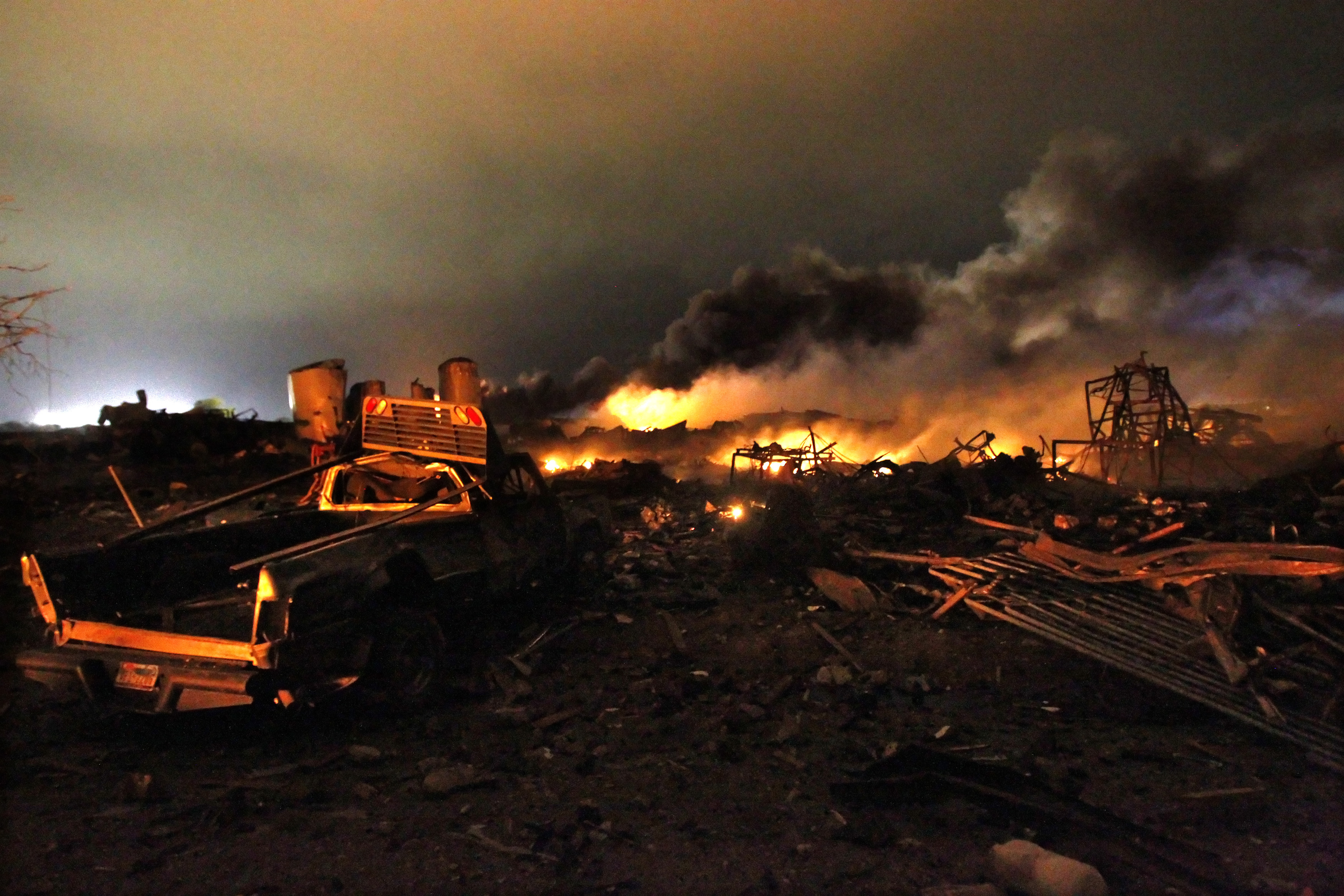
A vehicle is seen near the remains of a fertilizer plant burning after the explosion.
The explosion at a fertilizer plant in the small town of West, Texas last year took much more than fifteen lives. At least 262 people were injured; twenty percent of those were brain injuries. Homes and schools were destroyed. But judging from the response of some state lawmakers charged with stopping it from happening again, preventable disasters like the one in West are just something Texans are going to have to live with from time to time.
There’s been no new regulations for fertilizer plants since the disaster until this month, but there’s been a consensus for some time about how to prevent another tragedy like the one in West: require fertilizer plants to store ammonium nitrate in non-combustible facilities or to use sprinklers; conduct inspections of facilities; and train first responders so they know how to deal with fires that may break out at sites with ammonium nitrate.
A draft bill to do just that was introduced Tuesday by state Rep. Joe Pickett (D-El Paso), chair of the House Homeland Security and Public Safety Committee. But Republicans on his committee like Rep. Dan Flynn (R-Van) made clear at a hearing yesterday that they’re likely going to fight new regulations proposed to prevent another West. Flynn said new rules could put “Mom and Pop” fertilizer companies out of business, and he worries that any new rules for volunteer fire departments could strain budgets.
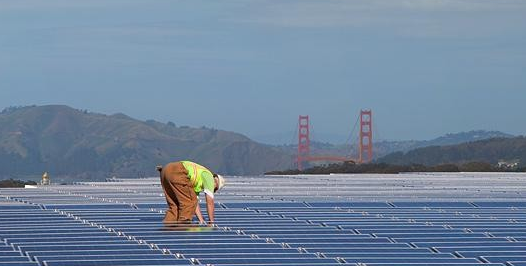
MARFA, Texas — Texas has been called an energy superpower. Fracking technology is allowing Texas producers to extract vast amounts of oil and natural that were once out of reach.
The state pumps more natural gas that any other. And it leads the country in wind energy. But Texas ranks eighth in solar power.
Three attempts by the state legislature to give incentives to solar have failed. The economics of solar in Texas stand in contrast to the rest of the Southwest. And a prominent Texas regulator says solar should not receive any government assistance to expand its footprint.
The United States Department of Energy says Texas represents 20 percent of the country’s potential solar output. So why is solar sluggish in Texas? Blame it on mix of policy choices and economics. Continue Reading →
Courtesy of NOAA Great Lakes Environmental Research Laboratory via Flickr Creative Commons
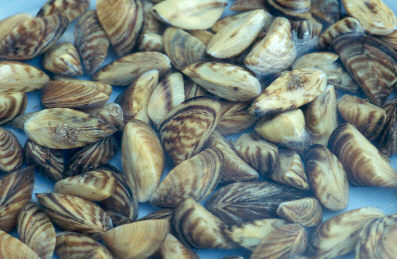
Zebra mussels
Zebra mussels have been stealthily hitching rides between Texas rivers and lakes for several years, but new rules to combat their spread take effect today. The Texas Parks & Wildlife Department (TPWD) is requiring that boats be drained and checked for mussels and prohibiting transfer of personally-caught live bait between water bodies.
Zebra mussels, invasive species that clog and damage underwater equipment, were introduced to Texas in 2009. They’ve been established in seven lakes statewide and found in several other water bodies since. Continue Reading →
About StateImpact
StateImpact seeks to inform and engage local communities with broadcast and online news focused on how state government decisions affect your lives. Learn More »