TCEQ’s decision, announced in a letter from Executive Director Richard Hyde to the LCRA on Friday, comes as the latest unprecedented move in the agency’s attempts to combat persisting drought conditions. At the center of these measures are restrictions on water releases for agriculture downstream of the Highland Lakes chain, mostly to rice farmers, and Hyde suggested that the LCRA’s proposed plan doesn’t appropriately address these releases.
“As the TCEQ worked through this amendment and also received input on the emergency relief requested by LCRA in the last year, it became apparent that even since the time that application was submitted, additional data and changes to the Water Management Plan were warranted,” Hyde wrote. Continue Reading →
Mottled ducks in pond at Brazoria National WIldlife Refuge in Brazoria County
It can be tough being a duck these days in Texas. Next door in Louisiana, they’ve got cable TV’s big reality hit, Duck Dynasty. But in Texas, there’s less a dynasty and more of a dilemma, at least for one breed called the Mottled Duck.
“If you look at the composite of things they all suggest that in Texas, mottled ducks are declining,” said Bart Ballard. “Louisiana seems to be stable.”
Ballard is a scientist at the Caesar Kleberg Wildlife Research Institute at Texas A&M-Kingsville. He said estimating duck populations can be tricky. But according to a 2009 report for the U.S. Geological Survey, an analysis off data from 2005-2009 suggested “a rapidly declining mottled duck population” in Texas.
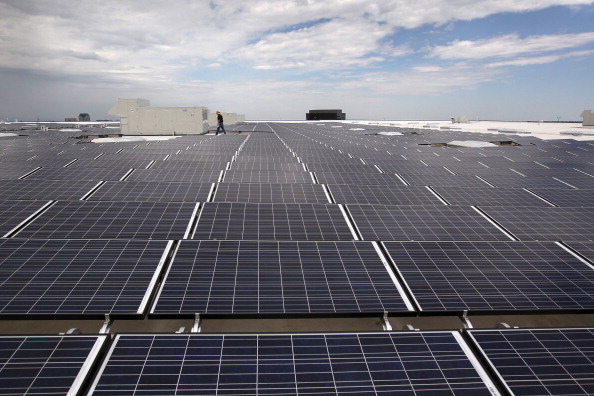
A California company has won a contract to build a 150-megawatt solar plant in West Texas. It would be the largest single plant built in the state so far, second only to the 400 mw system of plants planned for San Antonio.
San Francisco-based Recurrent Energy isn’t saying where exactly it will build the plant. CEO Arno Harris says they’re keeping that information private for now to keep the project competitive as other companies look to the West Texas skies for profits.
Harris tells KRTS that rising natural gas prices and dropping costs are making it easier for the solar industry to move to Texas – utility companies are buying more solar, seeing it as an increasingly competitive energy source.
Recurrent Energy has secured a 20-year contract with Austin Energy to bring power to an estimated 15,000 homes in the capital city. The utility estimates 1 mw of solar power can power about 100 Texas homes during peak hours on summer days. Continue Reading →
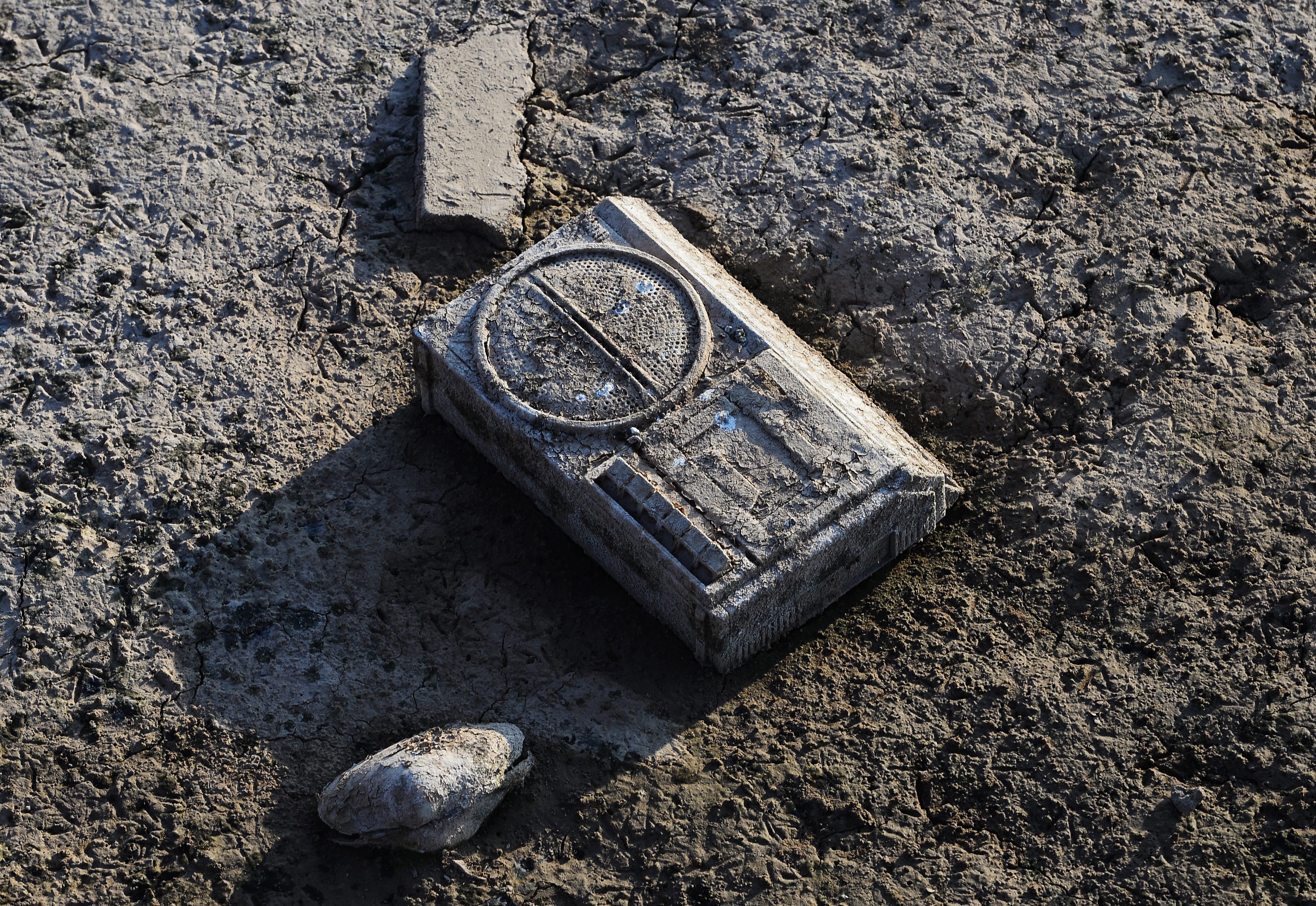
An old radio lies in the mud exposed after the water has gone at Lake Arrowhead State Park near Wichita Falls, Texas, in September 2013
Conditions ‘Remain Dire,’ Outlook Says
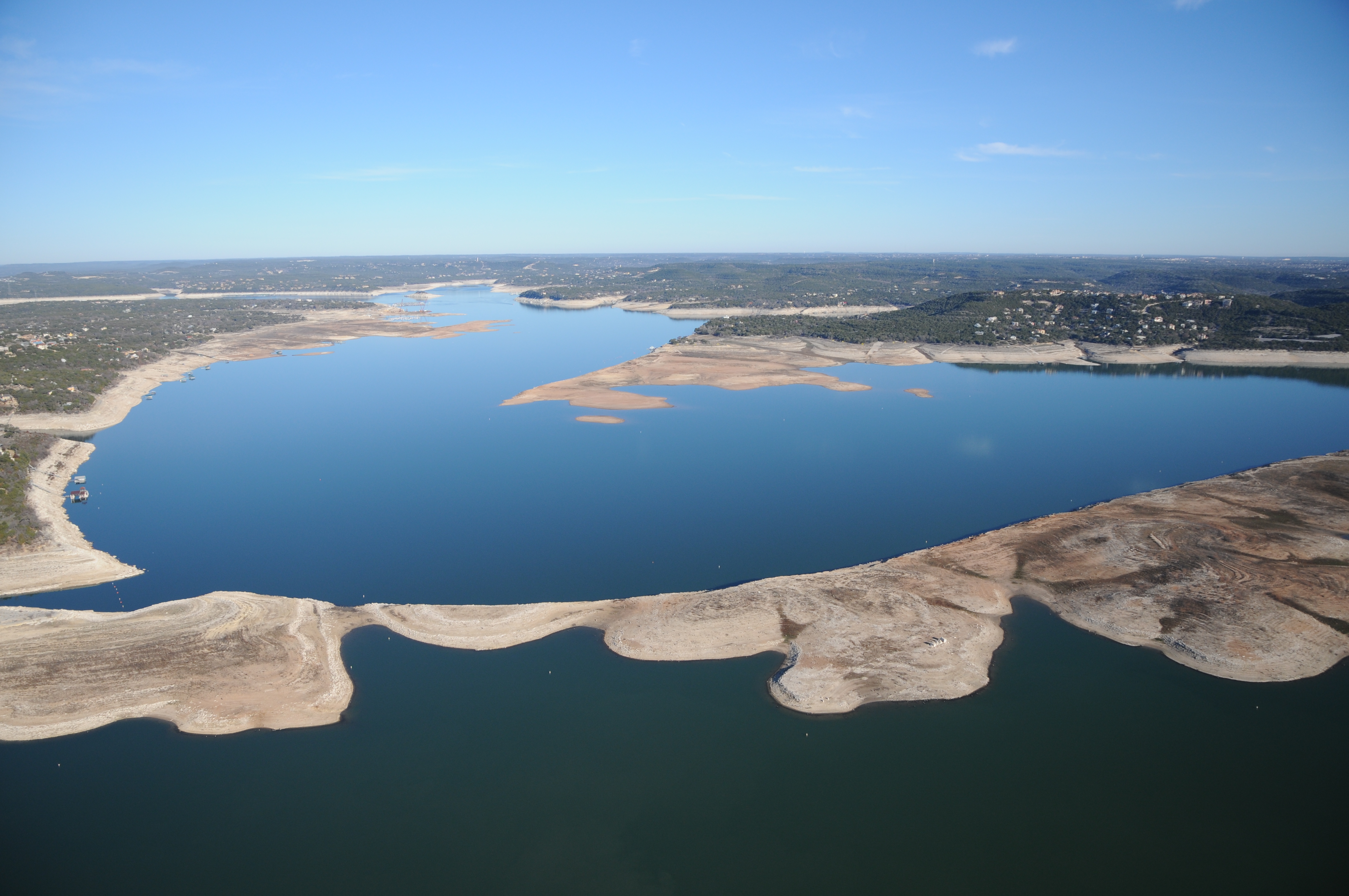
The drought that began in October 2010 has been the driest such period in over a century for much of West Texas, putting it on par with the drought of record in the 1950s. That’s according to a new outlook from the National Oceanic and Atmospheric Administration (NOAA), and it could get worse before it gets better.
While the drought over the last four years has caused billions in agricultural losses and strained the water supplies of smaller communities (some of them even running out), it is only now that the situation is getting to a similar point for some larger towns and cities. The city of Wichita Falls, in North Texas, will enter ‘catastrophic’ Stage 5 water restrictions tomorrow, their highest level. That will ban all outdoor watering or irrigation of golf courses from city water; car washes will be restricted to operating five days a week and only at certain times to reduce evaporation. The combined level of the city’s reservoirs has fallen below 25 percent.
The city is weeks away from the deployment of a temporary direct wastewater recycling program, the first of its kind in the country, that could keep supplies more stable as summer approaches. It would provide 5 million gallons of water a day to Wichita Falls, or about one-third of the city’s daily demand. A longer-term indirect reuse program is in the works which will provide up to three times that amount, nearly all the water the city needs each day, but it will take years to permit and build.
In Central Texas, the main reservoirs for Austin and surrounding cities down to 36 percent and falling. They could reach their lowest levels in history this summer. Just a few months ago, under ten percent of Texas was in the worst stages of drought. Today, 40 percent of Texas is in “extreme to exceptional drought.”
Austin Energy will soon be getting more of its power from the sun.
The city-owned electric utility has signed a deal, announced today, with a San Francisco-based firm to build the single-largest solar facility in Texas by 2016. Under a 20-year power purchase agreement, Recurrent Energy will build a 150-megawatt solar farm in West Texas.
Austin Energy spokesperson Carlos Cordova says the deal will help the public utility and the Austin City Council to achieve two goals, “to have 200 megawatts of all of our energy derived from solar power, and 35 percent of all of our energy be derived by renewable energy.”
The agreement should make Austin the largest city in America with a public power utility delivering 35 percent Green-e certified energy. The utility already has 50 megawatts of local solar power in Austin. Continue Reading →
Starting this week, if you buy or lease a plug-in vehicle in Texas, you’ll finally be able to apply for a rebate from the state of Texas. Thanks to a bill passed by the state legislature last session, most plug-in cars (like the Chevy Volt, BMW i3 or Nissan Leaf), as well as those that run on natural gas, can have $2,500 knocked off the price with the state incentive, which will be run by the Texas Commission of Environmental Quality (TCEQ). Additional federal incentives drop the price another $2,500 to $7,500, depending on the size of the battery. Choose the right plug-in, and you could knock ten grand off the price.
But there’s one big exception to the rebates. (Hint: it rhymes with “Cessna.”)
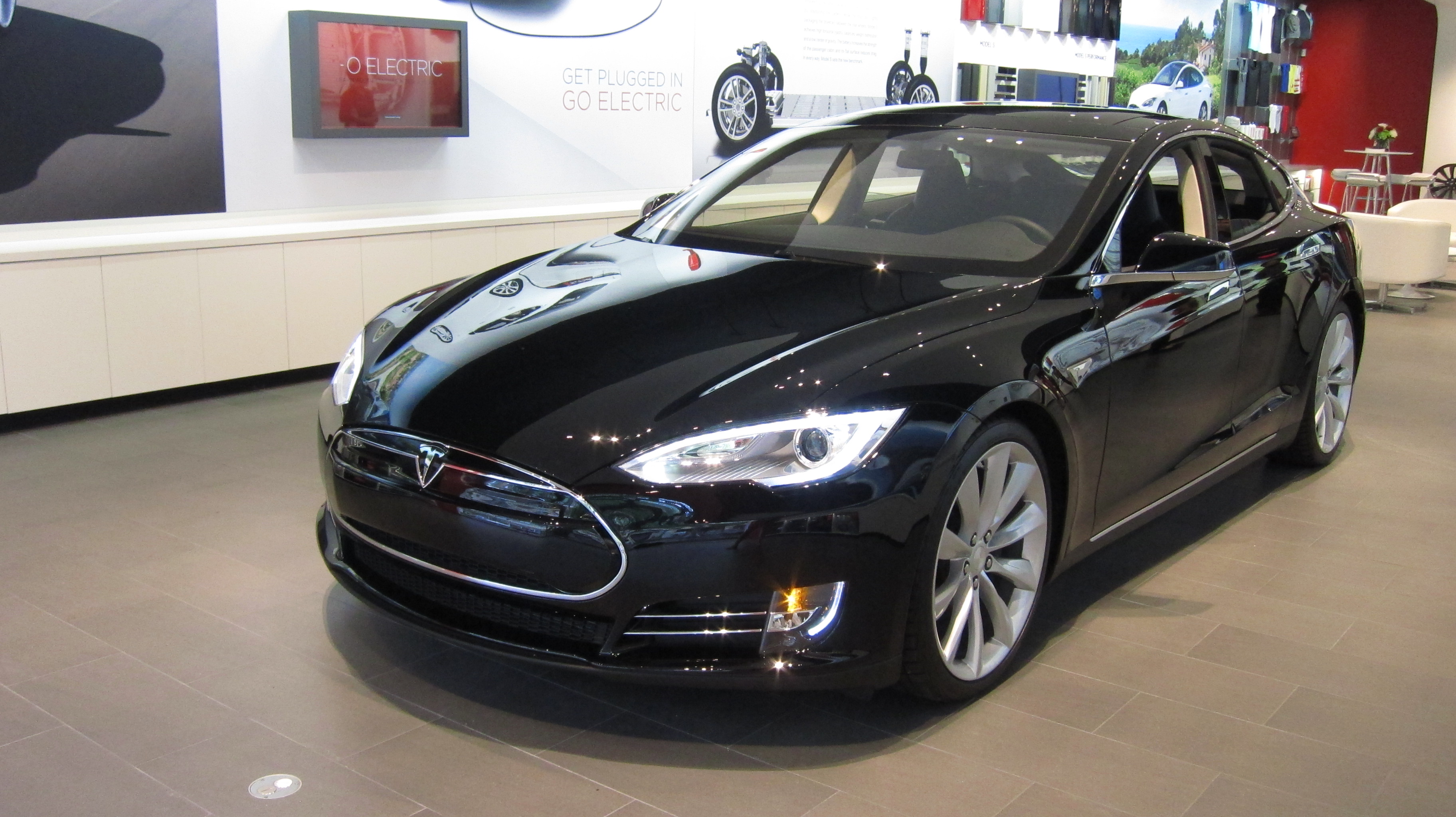
Tesla, the shining star in the electric car firmament, which also happens to be shopping around for a Sunbelt state to build a five-billion dollar battery factory, is legally not allowed to sell cars in Texas, which means they aren’t eligible for the state rebate. You can’t even test-drive a Tesla at a Texas dealership. In fact, there are no Tesla dealerships in Texas, only “showrooms,” which allow you to take a peek at the company’s Model S, but that’s about it. Staff there can’t even tell you the price of the car.
That’s all because of dealer franchise laws, and they’re not unique to Texas. These laws protect franchise dealers by forbidding auto manufacturers from selling cars directly to consumers. (This is why you can’t custom build and directly order your next 3 series from BMW online, for instance.) Tesla, which doesn’t franchise dealerships, can’t sell directly to customers in states like Texas. Want to order a Model S? You’ll have to get it from California. That hasn’t stopped Texans from buying Teslas, but it does make it an arduous process. Now Tesla is using the proposed battery factory to try and gets its way. Continue Reading →
The U.S. Chamber of Commerce and the AFL-CIO are calling attention to the country’s aging roads, bridges, and shipping channels. It’s Infrastructure Week, an annual event that looks at how the economy is affected when facilities aren’t properly maintained.
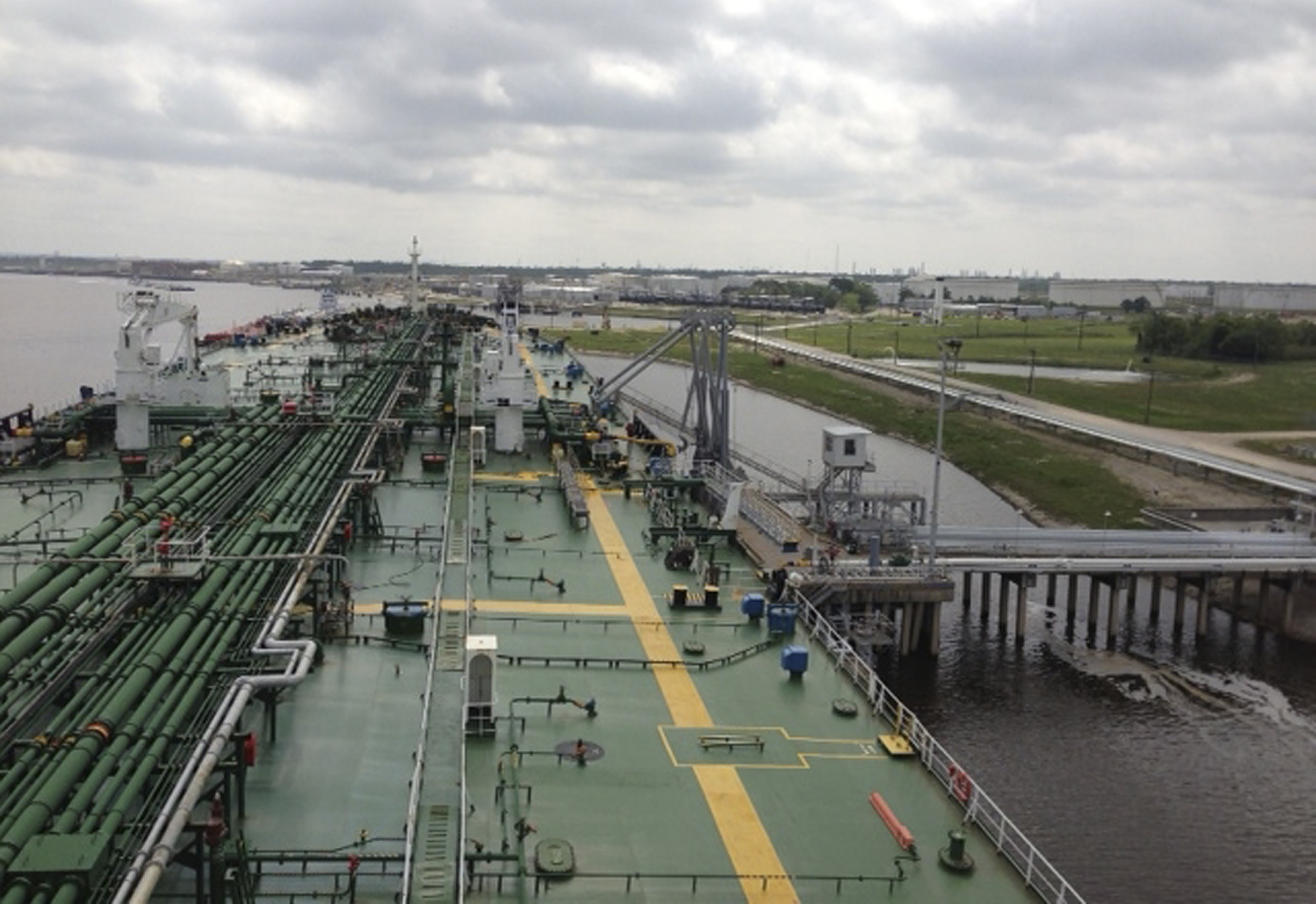
Maintenance is a big issue right now on the Sabine-Neches Waterway. It may not be as well known as the Houston Ship Channel but it handles a lot of business.
Winding along the Texas-Louisiana border, the 63-mile-long waterway serves the ports of Beaumont and Port Arthur. It handles about 100 million tons of cargo a year and it’s a major refining center that’s responsible for about 288,000 jobs in the region.
But port officials are concerned about the future as they prepare to handle bigger ships from a widened Panama Canal. Continue Reading →
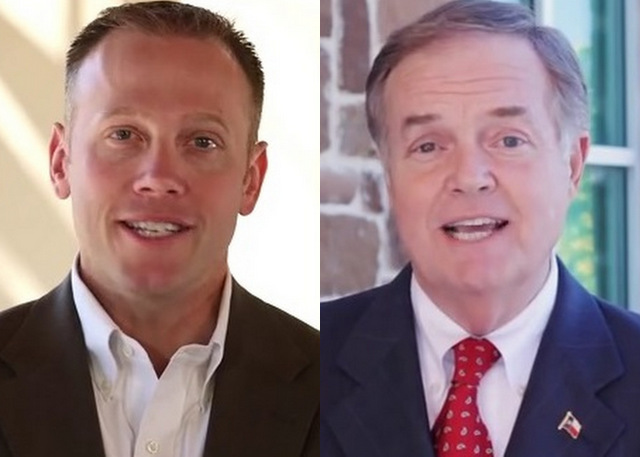
Ryan Sitton and Wayne Christian are facing off to become the GOP nominee for Railroad Commissioner.
Some political campaigns, like the race for governor or president, energize everyday people, grab the media spotlight, and spark heated public debate. Then there are races like the Republican primary runoff election for Texas Railroad Commissioner.
It’s a down-ballot race that many Texans know nothing about (the commission has nothing to do with railroads, rather it regulates Texas oil and gas industries). But that hasn’t stopped the race from getting increasingly negative as the primary runoff on May 27th approaches.
In fact, the lack of voter enthusiasm is likely part of what’s driving the negativity.
“You’ll see a big difference at the top of the ballot for people who vote in the Lieutenant Governor’s Race on the Republican side, who don’t vote when it gets down to this race,” saysRoss Ramsey, co-founder and Executive Editor of the Texas Tribune.
Lynda Stokes is the mayor of Reno in Parker County, where dozens of medium-sized earthquakes have been recorded in an area that used to be quake-free.
For perhaps the first time in its history, the state legislature held a hearing Monday about earthquakes. But we’re not talking about natural tremors, we’re talking about man-made earthquakes. Texas has seen quakes measuring 3.0 and higher increase tenfold since an oil and gas drilling boom began several years ago, with the first quake swarm striking in the fall of 2008. Now, residents from these quake-stricken areas want answers.
Gale Wood of Eagle Mountain Lake in North Texas drove down to Austin to be here for the meeting. He says for him and his wife, the problems started last November, when the first quake struck.
Traffic accidents have surged along with drilling in Texas counties.
In what were some of the poorer counties in Texas, a surge in oil & gas drilling has set local economies on fire. But at the same time, officials have made dire pleas for help, saying the drilling boom is destroying roads and leading to deadly crashes.
The Associated Press found that while traffic deaths are down statewide in Texas, they’re up 18 percent in counties with lots of drilling.
“Unfortunately, one of the biggest growing pains and consequences of all this activity has been the increased number of fatalities that have taken place in these areas. We need to work on these roads, make them wider, make them safer,” said State Sen. Carlos Uresti (D-San Antonio), who represents some of the most oil-rich counties.
StateImpact seeks to inform and engage local communities with broadcast and online news focused on how state government decisions affect your lives. Learn More »