Maria Burns is director of the Logistics and Transportation Center at the University of Houston
A growing Texas economy means thousands more rail cars are needed to keep up with the increasing flow of oil, petrochemicals and other goods. But the challenge is to find a suitable place to build huge rail yards that can cover hundreds of acres and handle thousands of rail cars a day.
Since 2009, one rail line reports a 35 percent increase in the number of rail cars “terminating” their trip in Texas.
“You’re talking a massive increase in movement that’s really poised to increase a lot in the next five years particularly with what’s happening in South Texas and West Texas,” said Ken Medlock, an energy economist at Rice University’s Baker Institute.
South and West Texas is where the oil is and tank cars by the thousands are moving it to refineries along the Texas Gulf Coast.
But it’s not just oil. There’s also a big expansion of chemical and other manufacturing along the coast, plus more goods are moving through ports in Beaumont, Houston, and Corpus Christi.
Maria Burns is a transportation expert at the University of Houston. She shows a reporter a map of Texas marked with a web of rail lines and highways that converge in clusters.
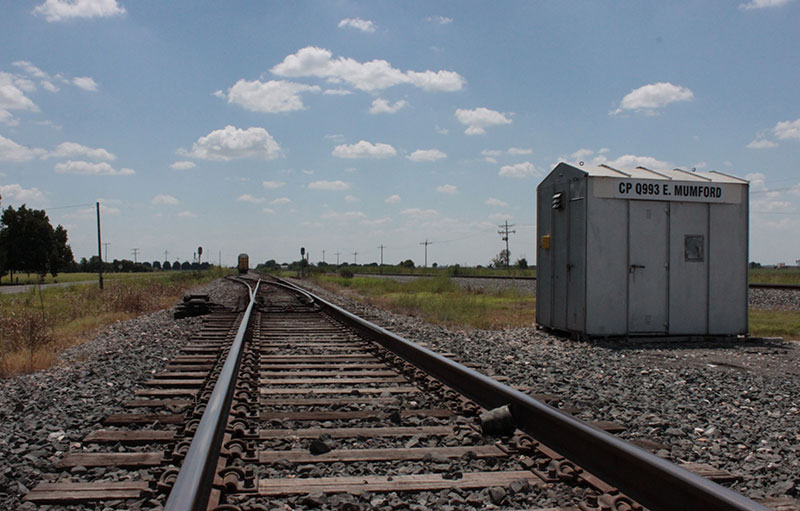
Railroad tracks into Mumford just northwest of Bryan-College Station. Photo by Dave Fehling
If it seems like you’re spending more time in Houston stuck waiting at railroad crossings, there’s a reason. Compared to just five years ago, there are hundreds of thousands more railcars crisscrossing Texas. Demand from the oil & gas industry is a big factor.
To keep up, railroad companies are building more tracks. But not everyone thinks that’s a good idea.
Just northwest of Bryan-College Station you can follow the railroad tracks to the tiny town of Mumford.
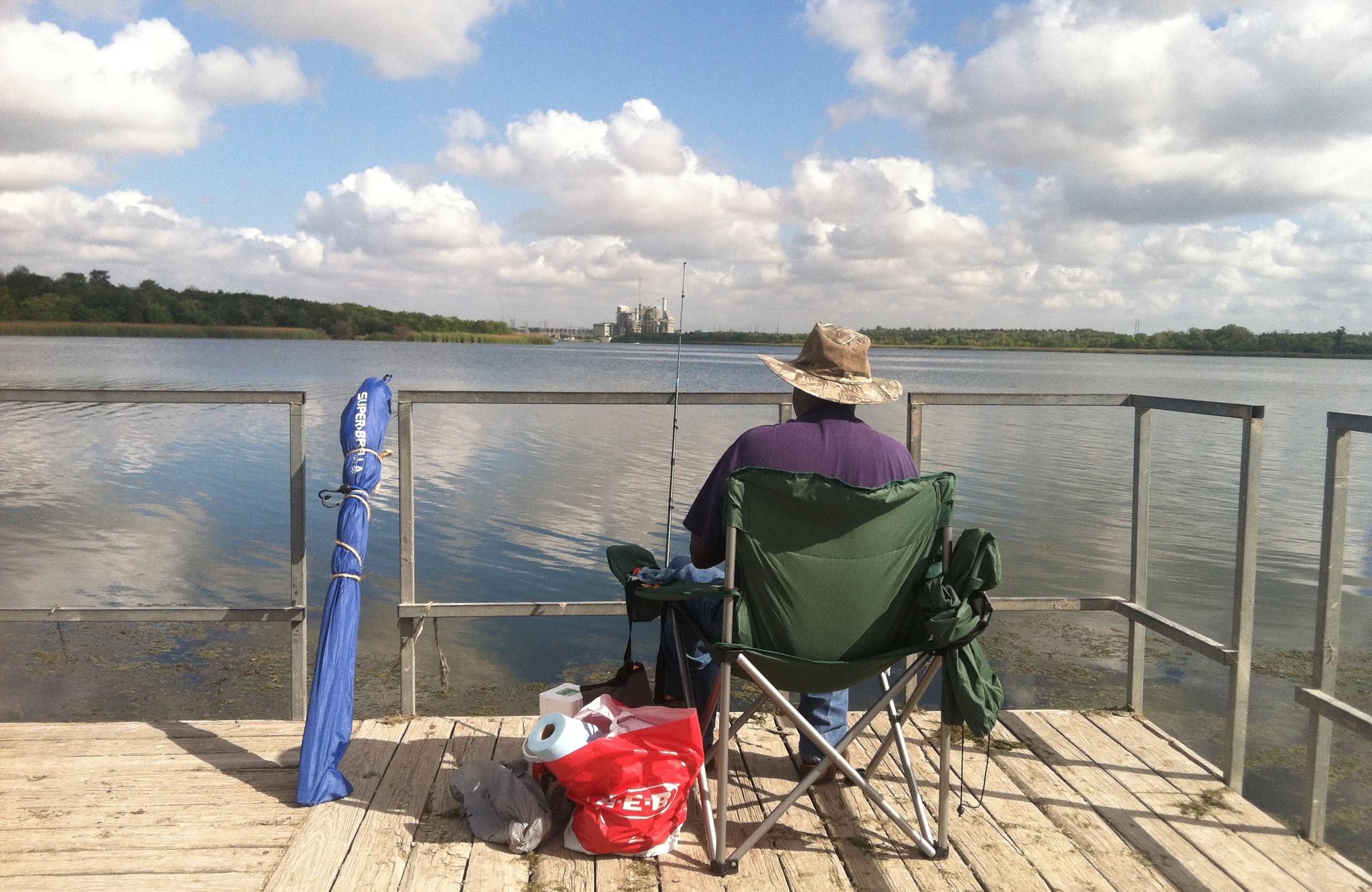
Austin's Decker Lake is used for electricity production and recreations. But it could be re-purposed for municipal water use.
The funny thing about Walter E. Long Lake: most people don’t know it exists.
The lake, tucked into a rural-feeling part of North East Austin is big, by Austin standards. It can hold more water than Austin’s two central city Lakes -Lake Austin and Lady Bird Lake- combined. It was created to host a power plant, which it’s done for for nearly 50 years. That’s how it got its other name: Decker Lake.
But Last week, Austin’s city council voted on a plan to wean Austin off Decker Power Plant electricity, opting to shutter the plant to lower citywide emissions. If that happens, the lake could serve as Austin’s a new city reservoir.
“It’s a body of water most people don’t know about. Some people use it, you’ll see fishing boats out there on the lake,” says Sharlene Leurig, who works at Ceres, a non-profit specializing in sustainability. “But for the most part it’s the unappreciated stepchild of the lakes we have here in Austin.”
StateImpact seeks to inform and engage local communities with broadcast and online news focused on how state government decisions affect your lives. Learn More »