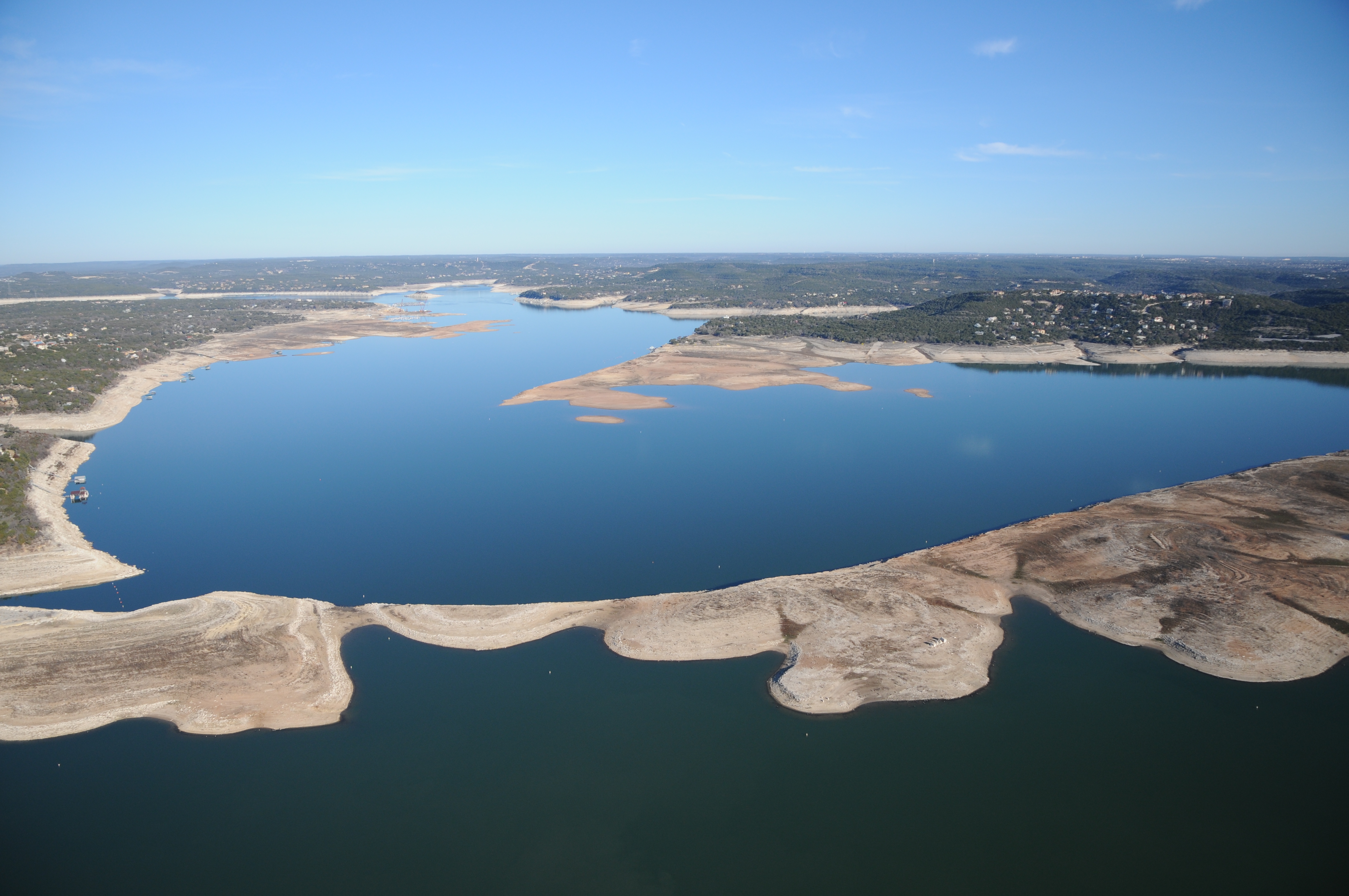
We do a lot of reporting on the ongoing (but hopefully abating) Texas drought around here, with a weekly update on drought conditions in the state.
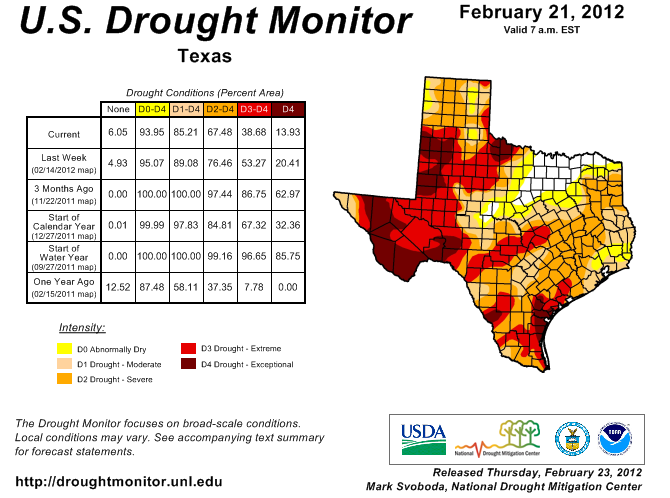
Yesterday’s update showed that drought conditions continue to improve in Texas, with Dallas/Fort-Worth drought-free, and parts of Houston are now out of drought as well. Austin is in the lightest stage of drought, as are El Paso and San Antonio. But the one region that hasn’t seen much relief is West Texas. Many parts of the state there are in “extreme” or “exceptional” drought:
Map and graph by National Drought Monitor
The latest drought monitor shows continued improvement for much of the state
The drought information comes from the U.S. Drought Monitor at the National Drought Mitigation Center at the University of Nebraska-Lincoln. It’s a joint project between the center and several federal partners like the departments of Agriculture, Commerce, and National Atmospheric and Oceanic Administration.
But what’s the difference between “extreme” and “exceptional” drought? Here’s a handy explainer of what those different drought levels mean: Continue Reading →
The new ruling favors landowners over water authorities.
The Texas Supreme Court has reached a ruling in a case that will have widesweeping implications for the way groundwater is regulated across the state. The Edwards Aquifer Authority and the State of Texas, V Burrell Day and Joel McDaniel, centered on whether property owners could be compensated if a water authority limited the amount of groundwater they could pull from their land.
The decision found that Ranchers Burrell Day and Joel McDaniel could be compensated by groundwater regulations from the Edwards Aquifer Authority. This means that other landowners in Texas could seek compensation in similar cases. Under Texas law, groundwater has traditionally been considered the property of the owner of the land it sits on top of.
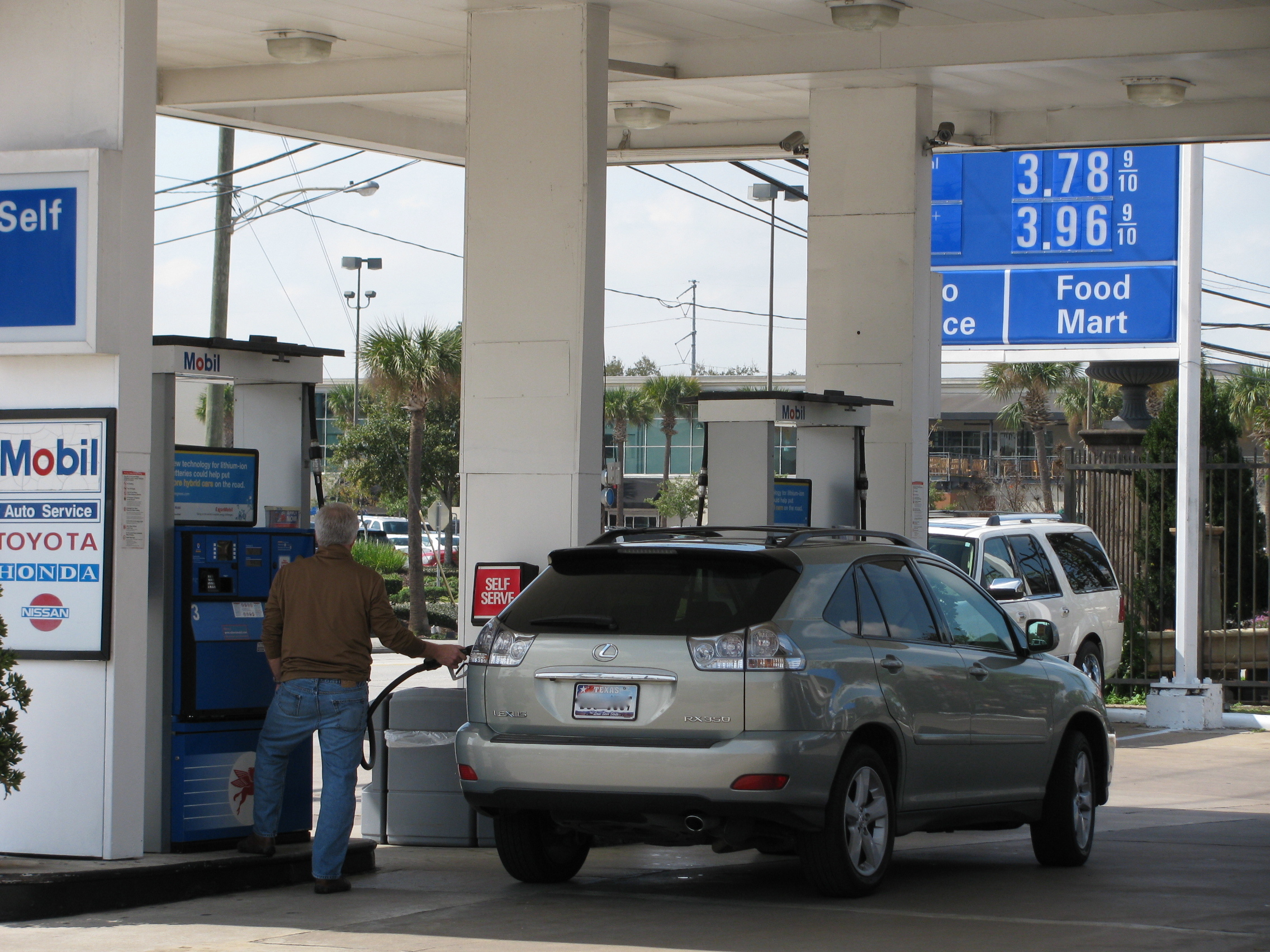
Prices creep towards $4 a gallon at a Houston gas station
With oil surpassing $100 a barrel, drivers are feeling the pain at the pump and some wonder if it’s simply a case of supply and demand. Or maybe something else.
“It’s sad, but people are very greedy,” said Houston driver Jodie Minear as she put $60 of fuel into her Jeep SUV at a Chevron station along Highway 59.
Does she have suspicions as to how prices are set?
The President outlined his campaign platform on energy today at a speech at the University of Miami
In the face of rising gas prices and outspoken criticism from the oil and gas industry, President Obama outlined major campaign proposals for energy and drilling today at a speech at the University of Miami.
“It is great to be back in sunny Florida,” the President said. “I still don’t know how you all make it to class every day down here.”
He then went on to expand on some policies he initially introduced during his State of the Union speech in January.
First on his list? Eliminating tax breaks for oil and gas companies. “Right now, four billion of your tax dollars subsidize the oil industry every year,” Obama said. Continue Reading →
Plans to revise Texas’ electoral boundaries will affect more than just the House of Representatives’ Republican-Democrat breakdown. But could it affect Texas’ renewable energy policies?
That was the question posed to State Rep. Mark Strama by Stratus Energy’s Mark Bruce at the University of Texas at Austin’s School of Law’s Wind, Solar and Storage conference last week. The answer revealed a lot about how attitudes towards subsidizing can be shaped by region, rather than partisan politics.
Mark Bruce: “How much does the redistricting matter as we go into the next round of Washington congressional action, and in the Texas legislature itself?”
Mark Strama: “In energy policy, what really seems to matter more is the personalities that are involved and where the leadership comes from. We’ve lost some good folks from West Texas. In many cases, [they were] Republicans who had made renewable energy an issue that was really bipartisan because their part of the state was making money from it. And they didn’t see it as this environmental crusade, [but rather] as a way of making money in their hometowns. Continue Reading →
Vickery has spent the past twenty five years working in virtually every area of the TCEQ, including industrial and hazardous waste and municipal solid waste enforcement, waste tires, director of field operations, deputy director office of compliance and enforcement, deputy director office of permitting and registration, deputy executive director. He became the agency’s executive director in 2008.
Most recently, he refused to approve ValeroEnergy Corporation’s request for an environmental tax refund. Valero asked for the money under a state law that says companies don’t have to pay taxes on equipment that reduces on-site pollution. Vickery explained the TCEQ’s decision by citing that the company “does not demonstrate that [their] hydrotreating equipment provides a partial environmental benefit at the site.” Continue Reading →
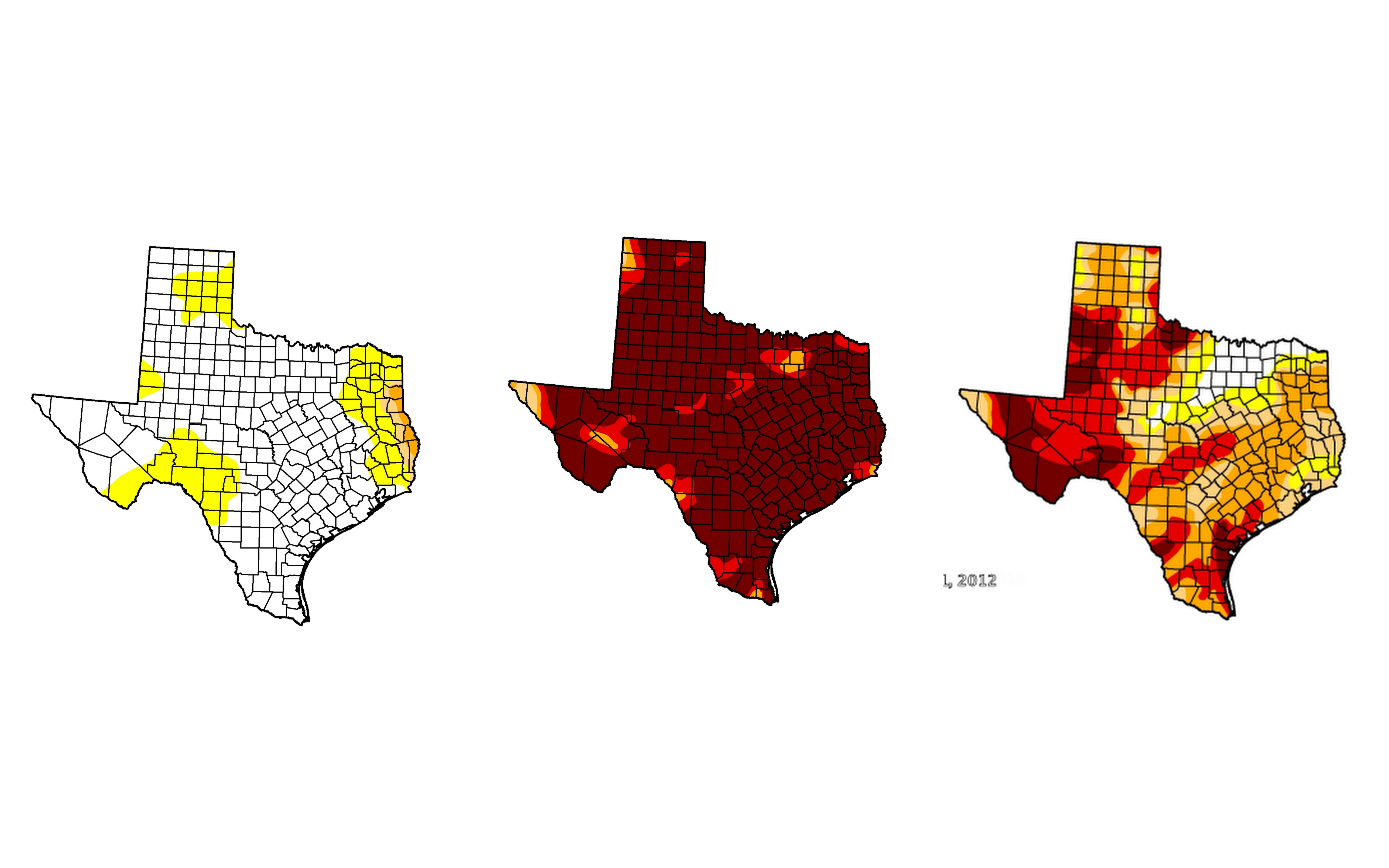
The progress of the drought: Beginning, Peak and Today
We’re far from the finish line, but after another week with rains in parts of Texas, the record single-year drought shows continued signs of abating. While 85 percent of Texas is still in “moderate” drought, only 14 percent of the state is in the highest level of drought, “exceptional.” That’s down from 20 percent last week and 86 percent at the peak of the drought in early October 2011.
Dallas/Fort-Worth is still drought-free, and you can now add parts of Houston to that list as well. (They’re still in the “abnormally dry” category or higher, however.) Austin is now in the lightest stage of drought, as are El Paso and San Antonio.
The one region that hasn’t seen much relief is West Texas. Many parts of the state there are in “extreme” or “exceptional” drought.
But the progress is unmistakable, as you can see from the three maps above that show the progression of the drought, from its beginning in October 2010 to its peak in October 2011 to today.
Stay tuned for more updates on the drought today (and forecasts for this summer).
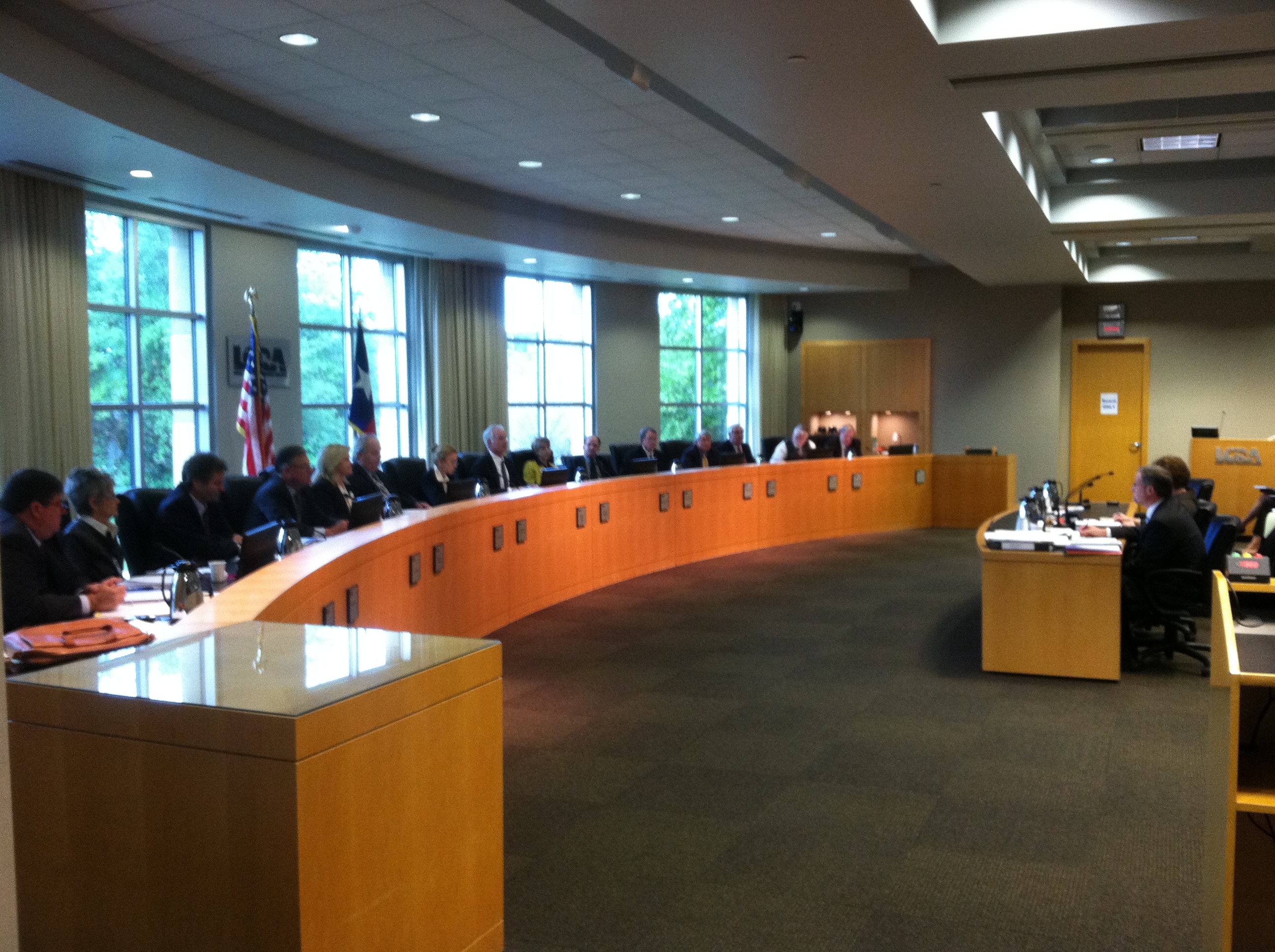
In what they’re calling the “most decisive issue” they’ve ever come across, the Lower Colorado River Authority voted today in favor of a new water plan that will change how much water goes from the Highland Lakes to customers downstream.
The water plan was created over the last 18 months by a group with representatives from lakeside businesses, rice farmers, the City of Austin and environmental groups. The plan will likely result in less water for rice farmers downstream, and more water in the Highland Lakes. “We have been through the most intense drought in our history,” TImothy Timmerman, chair of the LCRA board, said. “We’ve had the least amount of rainfall and lowest inflows into our lakes in history. We’ve never seen a drought quite this intense. One only needs to look to Lakes Buchanan and Travis to see something needs to change with our water plan.”
The vote was ten in favor and five against, with all of the against votes coming from LCRA board members that represent counties downstream of Austin and the Highland Lakes.
Before the vote, the board heard more public comment from many residents and business owners of the Highland Lakes and rice farmers as well. At times the testimony grew intense and emotional. Buster Cole owns a company that builds trams for people to access the lake. He says his business will likely lose close to a million dollars this year. “We are a lake based business; due to water level, no one is coming,” he told the board. “Our property value has lost 40 percent of its value because of the drop in lake levels. Devastation in the Highland Lakes is here now.” Cole said he’s had to lay off 29 employees.
The rice farmers mostly sat on the other side of the room. Their reaction to the vote was reserved. Continue Reading →
Photo couresy of Accident on Eclectic via Flickr http://www.flickr.com/photos/nakrnsm/
Striped Bass cannot exist in Texas unless they are bred and stocked in the state's rivers and lakes.
David Barer, an intern at StateImpact Texas, researched and reported this article.
The fish hatchery that supplies much of the striped bass in Texas may be the first state-run hatchery to close due to lack of water. This spring water levels at the Kemp Reservoir, the main source of water for the Dundee Fish hatchery near Wichita Falls, will be too low to support agricultural, municipal and hatchery use.
“We draw water from a public water source; when those water sources are low, for the hatcheries…we can’t draw water into our structures…that will impact our operations tremendously,” Todd Engeling, Texas Parks and Wildlife’s chief of inland fisheries told StateImpact Texas. “Without water we really can’t do anything.” Continue Reading →
The extreme drought has lowered levels in Lake Travis to the point where rice farmers downstream may soon be cut off.
Who deserves water more? The first one in line, or the one who stands to lose the most financially if it’s taken away? That’s one way of looking at the ongoing “water war” on the Lower Colorado River between rice farmers in Southeast Texas and residents and businesses along the Highland Lakes upstream from them. Caught in the middle? The Lower Colorado River Authority (LCRA), which manages the water in the lakes. Today they are voting on a water plan that would change how water is managed on the river.
The plan would add a second cutoff date to determine whether there’s enough water for rice farmers downstream, which would likely mean more years without water from the lakes for the farmers. The farmers will likely not get water this spring because of low lake levels. “In the future, farmers will have to grow more pounds per acre on more marginal land, it looks like with less water,” longtime rice farmer Billy Mann testified during public comment on the plan Tuesday. “Can we do it? We’re going to have to, but hopefully we will have the water there for us.”
Residents and businesses on the Highland Lakes have been pushing for changing how water is used and paid for on the Lower Colorado. “I got to tell you, it’s really hard for me to be speaking here today, because we are staring down the devastation of the drought of 2011,” Janet Caylor of the Central Texas Water Coalition said. “And as y’all are aware, there have already been multiple bankruptcies, loss of jobs; many are struggling to stay in business.” Continue Reading →
About StateImpact
StateImpact seeks to inform and engage local communities with broadcast and online news focused on how state government decisions affect your lives. Learn More »