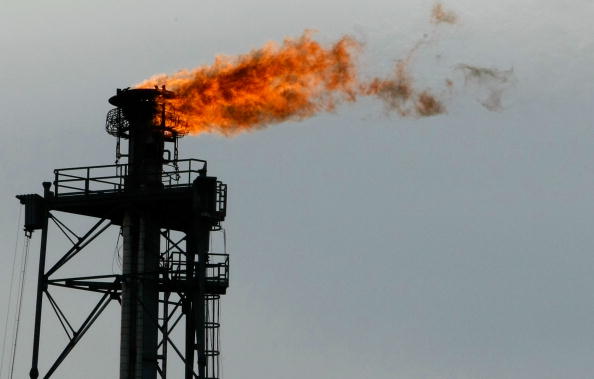
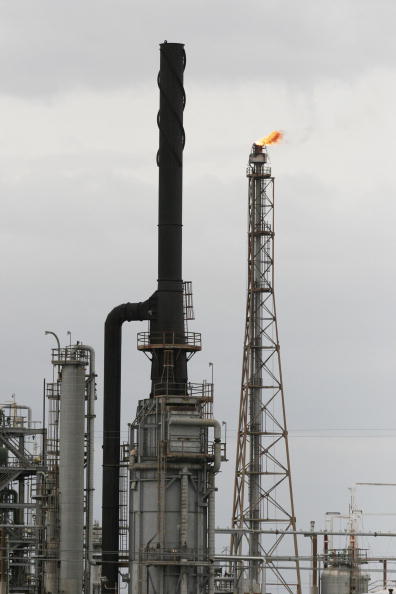
There were reports earlier this week of leaks of at the BP refinery in Texas City, the site of a 2005 explosion that killed fifteen and injured 140 more.
The gases that were reportedly leaked were sulfur dioxide, a pollutant regulated by the EPA and linked to respiratory issues, and methyl mercaptan, a smelly gas — think rotten cabbage — added to natural gas (which is odorless) as a safety measure.
City Emergency Manager Responds
StateImpact Texas spoke with Texas City Emergency Manager and Homeland Security Director Bruce Clawson today about the situation at the plant. He says there has been no known leak of sulfur dioxide, but confirmed an ongoing leak of methyl mercaptan. Continue Reading →
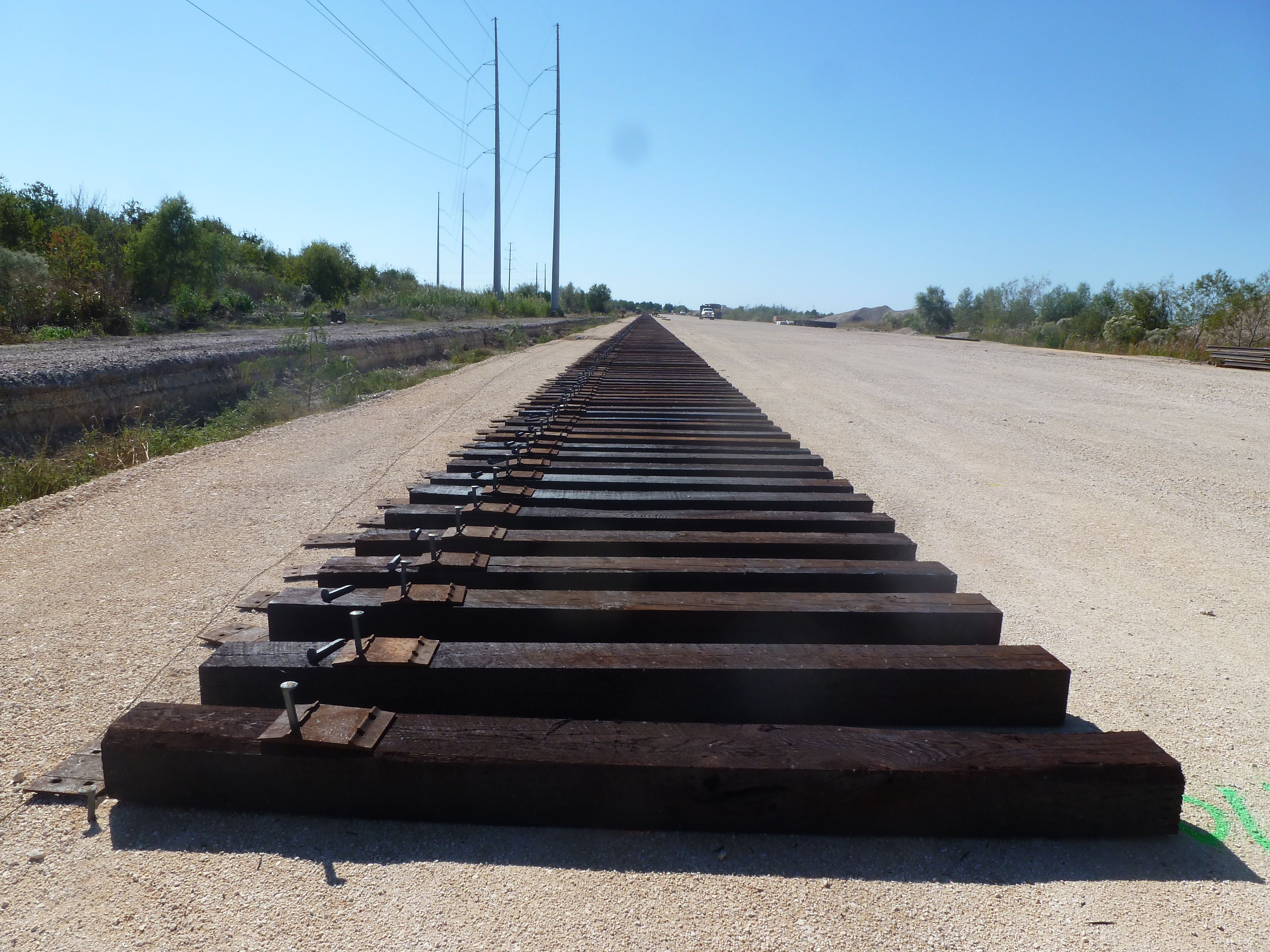
Rail is being laid to bring oil in an out of the planned GT Omni Port in Port Arthur, Texas.
After the White House’s announcement that it would delay a decision on the construction of the Keystone XL pipeline from Alberta, Canada to Texas, the airwaves filled with competing voices.
Actor Robert Redford lauded President Obama. Alberta Premier Alison Redford toured Washington D.C. expressing confidence in the project, and the group that’s building the pipeline announced plans to find an alternate route through Nebraska.
But on the Gulf Coast of Texas, there was a sound that may be even louder than the media din: the sound of a pile driving hammer, slamming 85 foot concrete pilings into the earth. Continue Reading →
Earlier today StateImpact Texas reported on Austin mayor Lee Leffingwell’s new pledge to make Austin a coal-free city. To do so, the city would stop getting energy from the coal-powered Fayettte plant in La Grange.
This afternoon the Lower Colorado River Authority (LCRA), which is a part-owner and operator of the plant, responded to the mayor’s vow to get Austin’s power from only non-coal sources.
The LCRA says that they are “proud” of the plant and that it is operated in an “environmentally responsible way.” They say they have “no plans to close [the plant] and will not support any plan to shut down the plant.” Continue Reading →
Austin Mayor Lee Leffingwell speaks at Steiner Ranch in September.
Austin’s Mayor Lee Leffingwell announced his bid for re-election yesterday, and while the announcement isn’t exactly surprising, one of his new campaign promises is: an Austin powered without any coal.
“Starting immediately, I’m going to begin a dialogue with the community, with Austin Energy, with the LCRA, and with state officials, about how to make Austin coal-free — and aggressively plan a date to achieve that goal,” the mayor said during his announcement yesterday at Becker elementary school, where he went to school as a kid. Continue Reading →
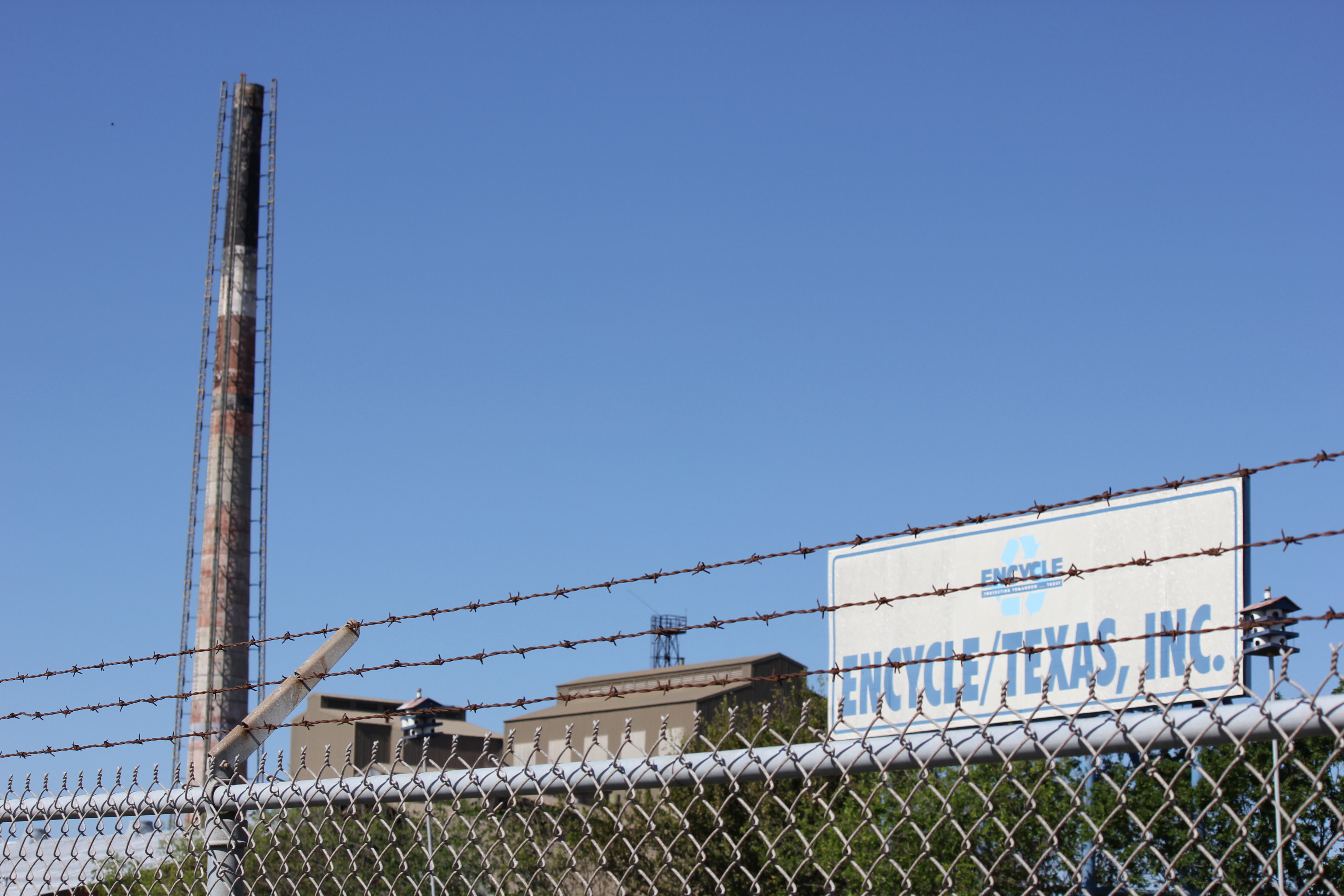
The closed entrance to the former Encycle plant in Corpus Christi, Texas
What would it be like to grow up down the street — literally a block away — from a plant that treats hazardous waste? For the residents of the Dona Park neighborhood in Corpus Christi, this isn’t a hypothetical question. For fourteen years, the Encycle plant treated hazardous waste just 950 feet away from the neighborhood, which is also surrounded by six major refineries.
As you can see from the map below, the Encycle plant sits right at the edge of four long residential blocks, consisting of nearly three hundred homes. The plant is now being demolished, but families in Dona Park worry that as it’s being torn down, it could pollute the neighborhood again. Continue Reading →
This evening StateImpact Texas received a response from BP about reported leaks of sulfur dioxide and methyl mercaptan at their refinery in Texas City, Texas. The BP Texas City refinery is the third largest refinery in the US, according to the company, and refines three percent of the country’s gasoline.
Here is the full statement:
“BP Texas City continues to address an odor event that occurred Tuesday evening at its Texas City Refinery.
The source of the odor was mercaptan, the odor additive placed in natural gas, which is used because of its strong odor at very low concentrations.
The site dispatched and is maintaining mobile environmental monitors into the community.
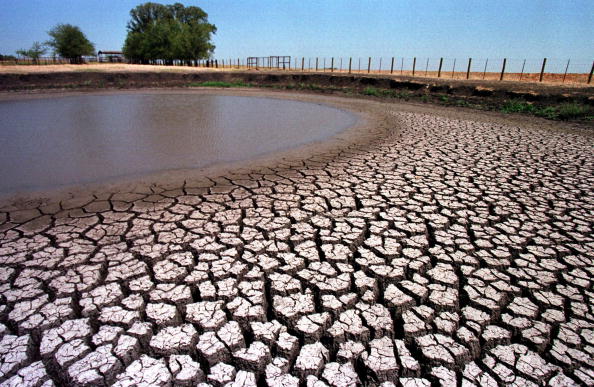
One of the locales on a government list of places expected to run out of water looked poised to go dry any week now. The small town of Groesbeck, with just 4,328 people, gets all of its water from the Navasota river, which is at well below normal levels.
In good news for the town’s residents, they’ve literally bought a few more months of water. A three-mile pump is being installed further up the river to bring in more water. It should be enough to last them four months, while the town looks for long-term groundwater sources. Continue Reading →
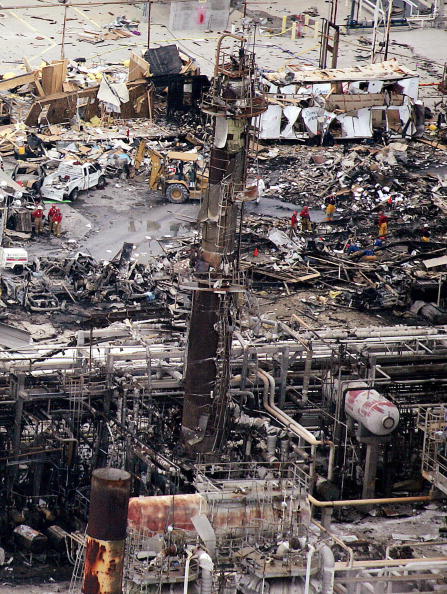
Workers sift through debris at the BP facility in Texas City 55 kilometers (35 miles) south of Houston, 24 March 2005, after an explosion that killed 15.
Earlier this week there were reports of a leak at the BP refinery in Texas City, Texas, just outside of Galveston. Sulfur dioxide (a pollutant regulated by the EPA and linked to respiratory issues) reportedly escaped the plant.
A caller reported the sulfur dioxide leak Monday to the National Response Center, the federal division for reporting oil and chemical spills. “Caller is concerned about the health of the residents located near the refinery,” the incident report logging the call says. (You can read the report below.) Under a category for “Environmental Impact,” the report says “UNKNOWN.” The field for “Community Impact due to Material” is simply left blank, and under the category of “Media Interest” it states: “NONE.”
It could be that the report was submitted by someone working at the refinery itself, as it says that the caller encouraged “agencies to call him to direct them where exactly the leak is at the refinery.” [UPDATE: BP says the report was not made by anyone at the company and that no sulfur dioxide leaked from the plant. Read the full response from BP.] Continue Reading →
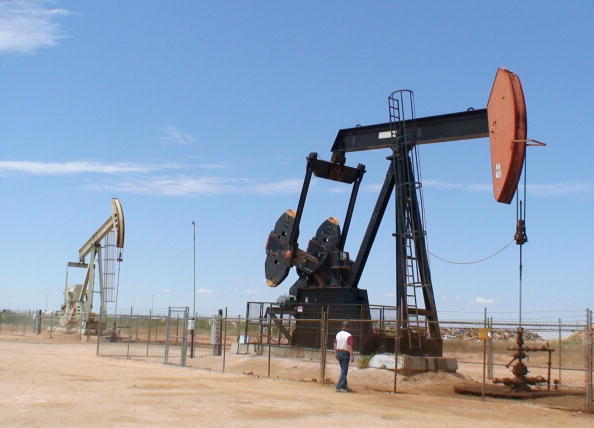
Oil and gas exploration is up in the state of Texas. Over 100,000 new wells were drilled in the last five years, some of them hydraulic fracturing operations looking for “tight oil” and shale gas trapped in layers of rock far below the surface. So while business booms and holes are being drilled into the ground left and right, who’s regulating the industry?
Oil and gas drilling in Texas is under the watch of the Railroad Commission of Texas, an elected panel of three commissioners. They monitor and permit wells, and are charged with enforcing violations. A report today by Greenwire analyzes the Railroad Commission’s enforcement and regulation of drilling, and finds it “unfocused and lax”. Continue Reading →
A dead fish decays on the dry bed of O.C. Fisher Lake in San Angelo, Texas.
There’s been a whole slew of reporting on the drought in Texas over the last few days. What’s new here that you didn’t know already? Check out this list of five things you may not have known from a series on the drought by Jeannie Kever and Matthew Tresaugue of the Houston Chronicle:
Water supplies are so low, people are drinking their own wastewater. Grossed out? Perhaps you shouldn’t be. Using treated, recycled wastewater (the water washed down your shower, sink and yes, toilets) is already the norm in California and Florida, and the current water plan predicts that its use “will grow by about 50 percent by 2060, to 614,000 acre-feet per year, or more than 20 million gallons,” according to the paper. “One thing attractive about this water, as long as people are taking showers and flushing toilets, there’s a source of supply,” Robert Mace, deputy executive administrator at the Texas Water Development Board told the newspaper. Continue Reading →
About StateImpact
StateImpact seeks to inform and engage local communities with broadcast and online news focused on how state government decisions affect your lives. Learn More »