A new law that went into effect in August made New Hampshire the first state in the country to recognize “nanobreweries” as a separate category of brewery. Now, nanobreweries can be licensed at a much reduced rate of $240, rather than the microbrewery license of $1200. According to the Union Leader, this has facilitated the opening of at least three new nanobreweries in New Hampshire — Earth Eagles Brewings in Portsmouth, Blue Lobster in Hampton, and Throwback Brewery in North Hampton.
“We’ve been trying to keep six taps on since we started, but we’ve had a hard time doing that because we’re selling out of everything,” Alex McDonald, who is co-owner of Earth Eagle Brewings, told the Union Leader. Read more!
A recent report from the Center for Public Policy Studies was uncharacteristically ominous, warning that the state is entering an “uncertain time,” and that the New Hampshire advantage “is withering away, and may erode further in years to come.”
Dennis Delay, the report’s author, is referring to the state’s slow economic recovery compared to its neighbors; shrinking workforce; reduced capital investment; and disappointing migration patterns.
The report itself warns of decreasing Federal support for state programs and potential job loss from unmitigated federal tax increases and spending cuts this January (aka “The Fiscal Cliff.”)
State Employees Association members demonstrate in front of the former Liquor Store 1 on Storrs St in Concord.
The State Employees Association has filed two unfair labor practices charges against the Liquor Commission.
The first one charges that the commission has begun denying part-time employees the increased pay that they had been receiving for work on Sundays and Holidays — something the SEA alleges is a breach of union contract.
The second of the two filings charges that four of the Liquor Commission’s five union stewards are facing intimidation and coercion in response to union activities.
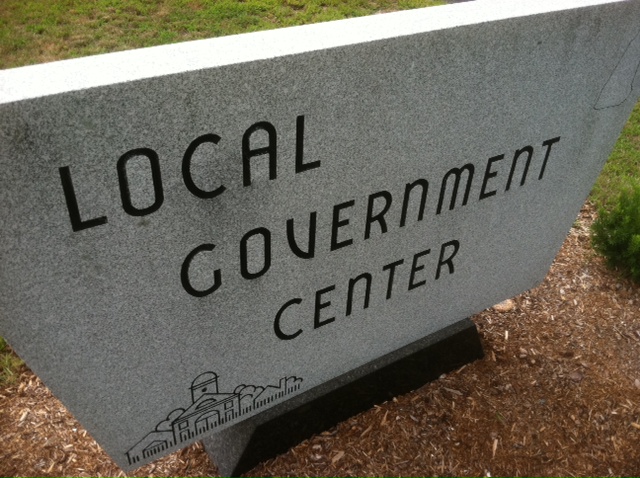
The Local Government Center case is incredibly convoluted. But it involves the majority of communities--and taxpayers--in the state
The on-going fight between the state of New Hampshire and one of the nation’s largest insurance risk pool managers is an important one, with millions of dollars of taxpayer money at stake.
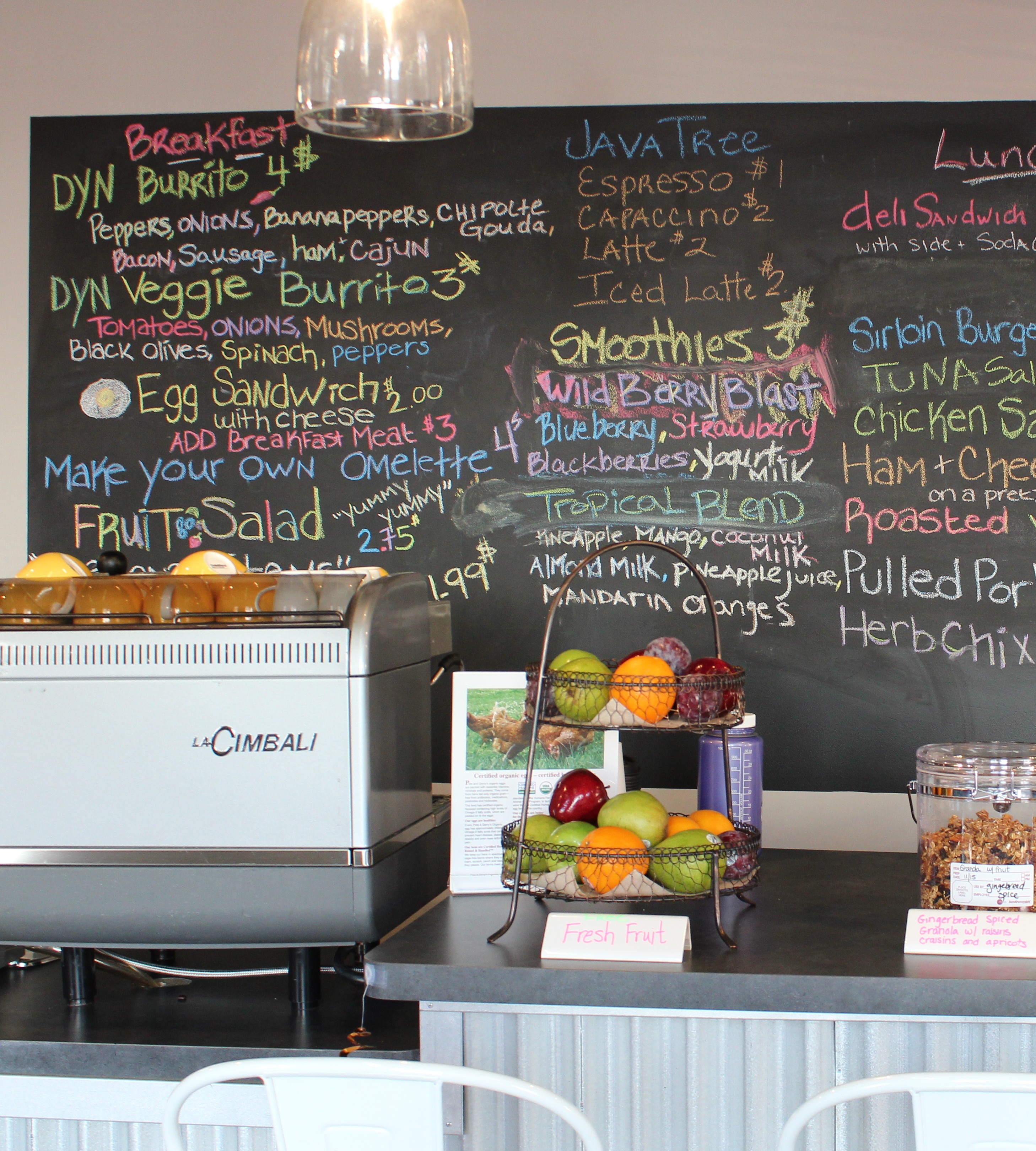
Four dollars. That is what employees at Dyn have to pay for a breakfast burrito made with bacon smoked in North Country, peppers grown in Chester, and a host of other local ingredients. That is, if they mosey across the street from their offices to the Dyn Cafe – an at-cost farm-to-table operation that Dyn opened in July. Sadly for the rest of us, the cafe is employees only.
Kevin Donahue was Executive Chef at XO on Elm before Dyn recruited him to run the Dyn Cafe.
Administrative Specialist Amanda Murtha chats with colleagues at the Dyn Cafe.
Manchester’s Dyn, Inc has a farm to table menu for their employees
Dyn Cafe
Cafe employees take the order of a customer/colleague.
Dyn headquarters are across the street from the Dyn Cafe.
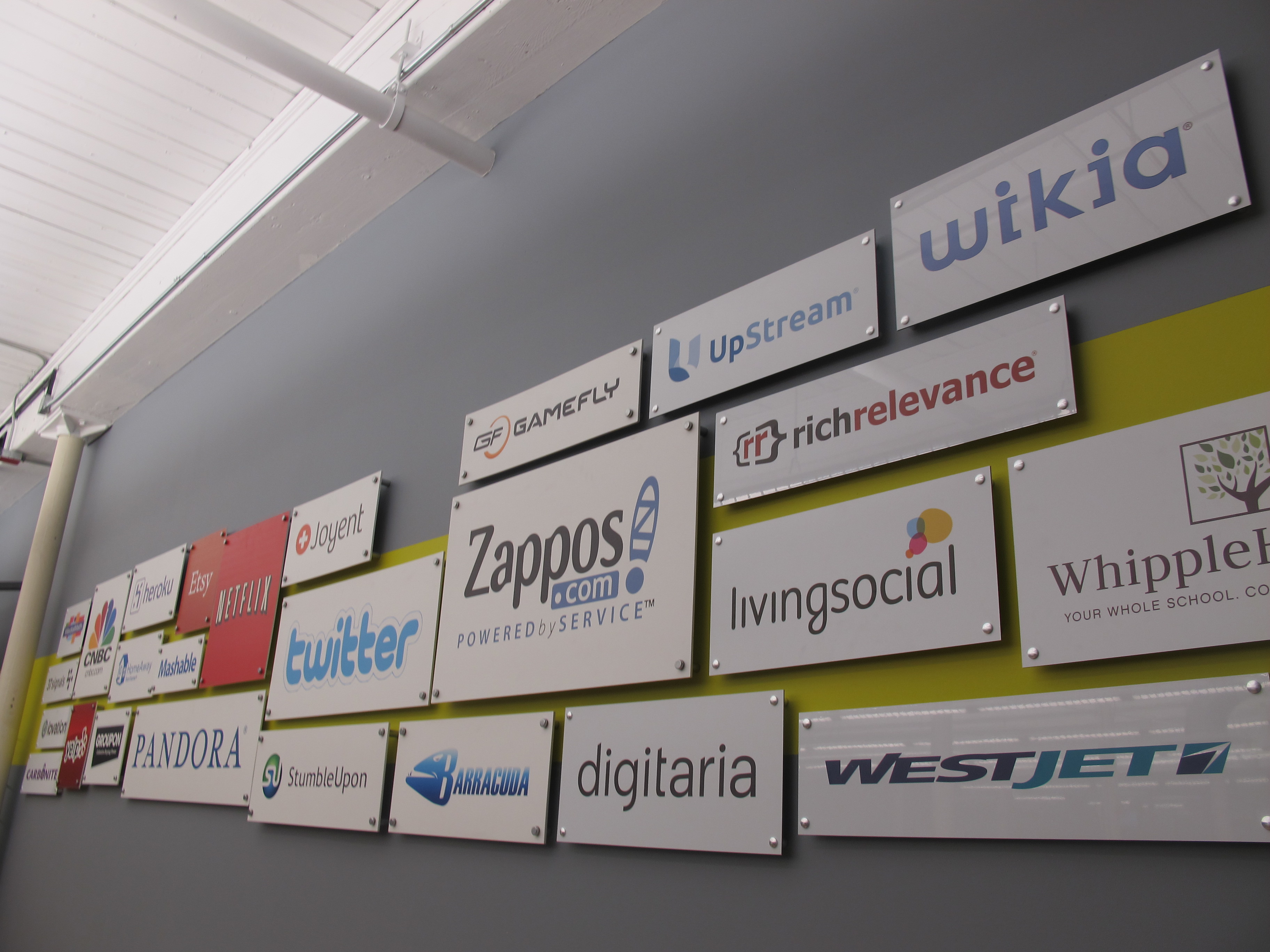
Dyn’s clients include Zappos, Twitter, Pandora, Netflix and Etsy.
Adam Coughlin, Dyn’s media and content coordinator, makes a choice from another employee’s candy drawer.
Dyn is an internet infrastructure company in Manchester with a workforce of 190 people. The company spends about $18,000 per year, per employee on benefits, from health insurance to free gym memberships, unlimited time off, an indoor climbing wall, and now – an at-cost farm-to-table cafe.
What’s in it for Dyn?
Dyn has an expanding list of clients like Netflix, Etsy and Pandora, and requires an ever-increasing workforce of software engineers, tech-savvy salespeople and more.
The problem is, New Hampshire’s workforce is aging and shrinking. Young people have always left the state for college or job opportunities, often heading to Massachusetts, New York, and the south Atlantic states. For the first time, the in-migration of 30 and 40-somethings is slowing. While New Hampshire saw a net in-migration of 10,681 people in 2001, the state experienced a net out-migration of 2,329 individuals in 2010.
In order to compete for some of the country’s most sought-after skills in a place that isn’t Boston, Silicon Valley, or New York, Dyn has had to get creative about recruiting and retaining talent.
The New York Times has published results from a 10 month investigation into the $80.4 billion that local and state governments spend on corporate subsidies. While many states spend many hundreds of dollars per capita on tax subsidies, free property, and other kickbacks, New Hampshire spends only $30 per capita, or a total of $39 million on such incentives.
The biggest winner when it comes to state tax incentives and government grants? $1.6 million to Foss Manufacturing, in Hampton.
Like New Hampshire, other states with modest subsidies, like Nevada and Wyoming, have low or no business taxes — which, the Times says, “can save companies even more money than tax credits.”
StateImpact seeks to inform and engage local communities with broadcast and online news focused on how state government decisions affect your lives. Learn More »