Getting By, Getting Ahead: North Country Mill Worker Inches Toward Retirement In Volatile Industry
-
- “My parents wanted me to go to college, but I was more interested in earning some money to get a car. And then one thing led to another, and then I met my wife, got married, and there was really no turning back after that,” says mill worker Rollie Leclerc. “I really like working here. It’s a place where you can earn a decent wage and kind of live the lifestyle a middle American is supposed to. You have a house and a car and a decent living.”
-
- “You sit at home and you watch the news and you see all these people that are 50 and older and have lost their jobs, and it doesn’t really hit home because it’s not affecting you,” Leclerc says. “But boy oh, boy, I tell you what, now I totally understand the hardship of finding employment, especially being over 50 years old. Employers do look at you differently.”
-
- After he was laid-off for the second time, Leclerc says, “I wasn’t able to find any work at all. We got by with unemployment benefits, and we watched our pennies. But it was luck that the mill reopened, because the benefits were running out. When you’re living on that kind of money compared to what I was making at the mill, your wage cut is at about 70 percent.”
-
- “I’m one of the fortunate ones. I didn’t have a house payment. It’s the benefits. Health care is nuts. I was paying $980 a month while I was out, with a $6,000 deductible, for myself and my wife. So getting back here and having access to health care is huge,” Leclerc says.
-
- Leclerc’s hopeful about the future of the mill, but, “This time around, it’s been a slower start-up. When we shut down in 2000, and we started up [again], all our past customers came right back,” he says. “This time around, they’re a little reluctant. So we’re gaining their trust again. But it’s a slower process than we thought.”
-
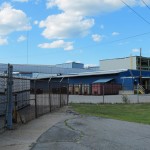
- Although finding work in the North Country at places like Gorham Paper and Tissue is hard, Leclerc says in some ways, having an education makes it tougher. “If you happen to have a college degree, you’re limited to where you can go as far as employment, unless you’re into the medical field, a few other areas. That’s why, when our kids go to college, it’s like a farewell. They never come back. Not because they don’t like the area. No opportunity.”
As part of our weekly “Getting By, Getting Ahead” series, StateImpact is traveling across New Hampshire, gathering personal stories from the people behind the economy. In our seventh and final installment, we talk with a longtime North Country mill worker who has been laid off, and re-hired, twice.
_____
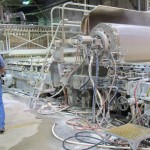
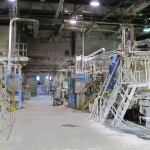
The factory floor of Gorham Paper and Tissue is a miserable place on hot summer day. The massive cylinders noisily turning watery pulp into paper are incredibly hot, almost oven-like, except that the water passing through them creates a thick veil of humidity.
Deeper into the mill sits the small, cool, control shack that is Rollie Leclerc’s domain. He is a machine tender, and part of his job involves maintaining the balance between tons of hardwood, softwood, and pulp coursing through the machines. This blend is key to making high-quality paper. Underneath the safety glasses and steel-toed boots, Leclerc (pronounced “Leclaire”) is a good-natured guy with a big laugh and an easy smile. Leclerc has been on this mill floor since 1977. And he’s proud of his deep family roots in this line of work. Continue Reading