Background
The Lower Colorado River Authority (LCRA) is a conservation and reclamation district formed by the Texas Legislature in 1934. It plays a variety of roles in Central Texas including, delivering electricity, managing the water supply and environment of the lower Colorado River basin, developing water and wastewater utilities, providing public recreation areas and supporting community and economic development. It has no taxing authority and operates solely on utility revenues and fees generated from supplying energy, water and community services.
The LCRA has been the primary wholesale provider of electricity in Central Texas since 1937. It supplies wholesale power to 42 city-owned utilities and electric cooperatives and one former co-op, serving over a million people in all. The LCRA also generates power from coal, natural gas and wind. It has operated the Fayette Power Project, a three-unit coal-fired power plant near La Grange, since 1979.
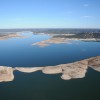
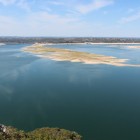
The LCRA operates the six dams on the Colorado River that form the Highland Lakes of Central Texas. These are lakes Buchanan, Inks, LBJ, Marble Falls, Travis and Austin. The LCRA is responsible for discharging water to manage floods, managing invasive underwater plants and regulating drought management.
Drought management has become an especially controversial issue for the LCRA during the 2011 drought, the worst one year drought in Texas history. Big businesses and those with individual interests have disagreed over how to use limited water resources. Currently, the LCRA is trying to balance the interests of rice farmers with demands from the White Stallion Energy Center, a coal plant in Matagorda County in southeast Texas.
In 2010, the San Antonio Water System took LCRA to court for purportedly violating a contract established in 1998. The LCRA was contracted to pipe water to San Antonio for 80 years in exchange for funding for downstream rice fields and dams. The suit came after LCRA said it didn’t have enough water in its basin to protect its rate payers and share water with San Antonio. A judge threw out the case, saying suits between governmental agencies are limited. San Antonio has since appealed the ruling.
In 2011, LCRA General Manager Tom Mason resigned from his post. Rumors circulated that he was pushed out for having too much of an environmentalist agenda when others wanted a more pro-business leader. The Sierra Club’s Lone Star Chapter director, Ken Kramer, levied charges that Governor Rick Perry wanted his own appointee in the position. The LCRA maintained that the decision was untainted by politics.