The Clean Railroads Act was meant to close a legal loophole and increase state and local oversight of polluted rail yards across the country, but it left open a smaller loophole for oil and gas waste.
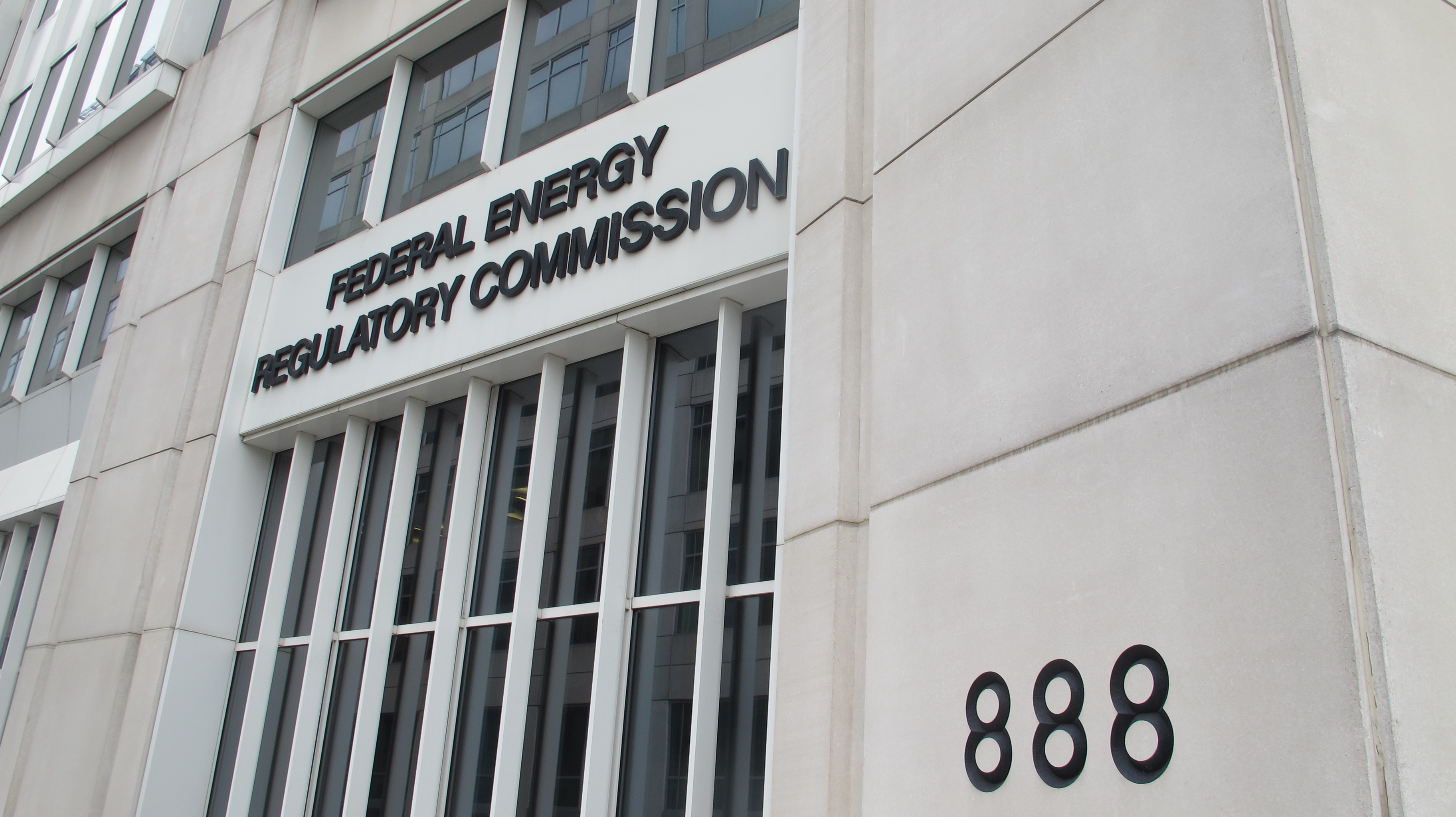
The federal Clean Railroads Act of 2008 was meant to close a loophole in the law and increase state and local oversight of polluted rail yards across the country.
But it left open a smaller loophole for the oil and gas industry, according to Mark Szybist, an attorney for the environmental group PennFuture.
“This is not one of the big [exemptions],” he says, “But it’s one more example of the industry’s great clout on the federal level and how they establish for themselves a different set of rules.”
The investigation into a March 13 gas well spill in Wyoming County is still ongoing, but the DEP has allowed the company to resume normal operations.
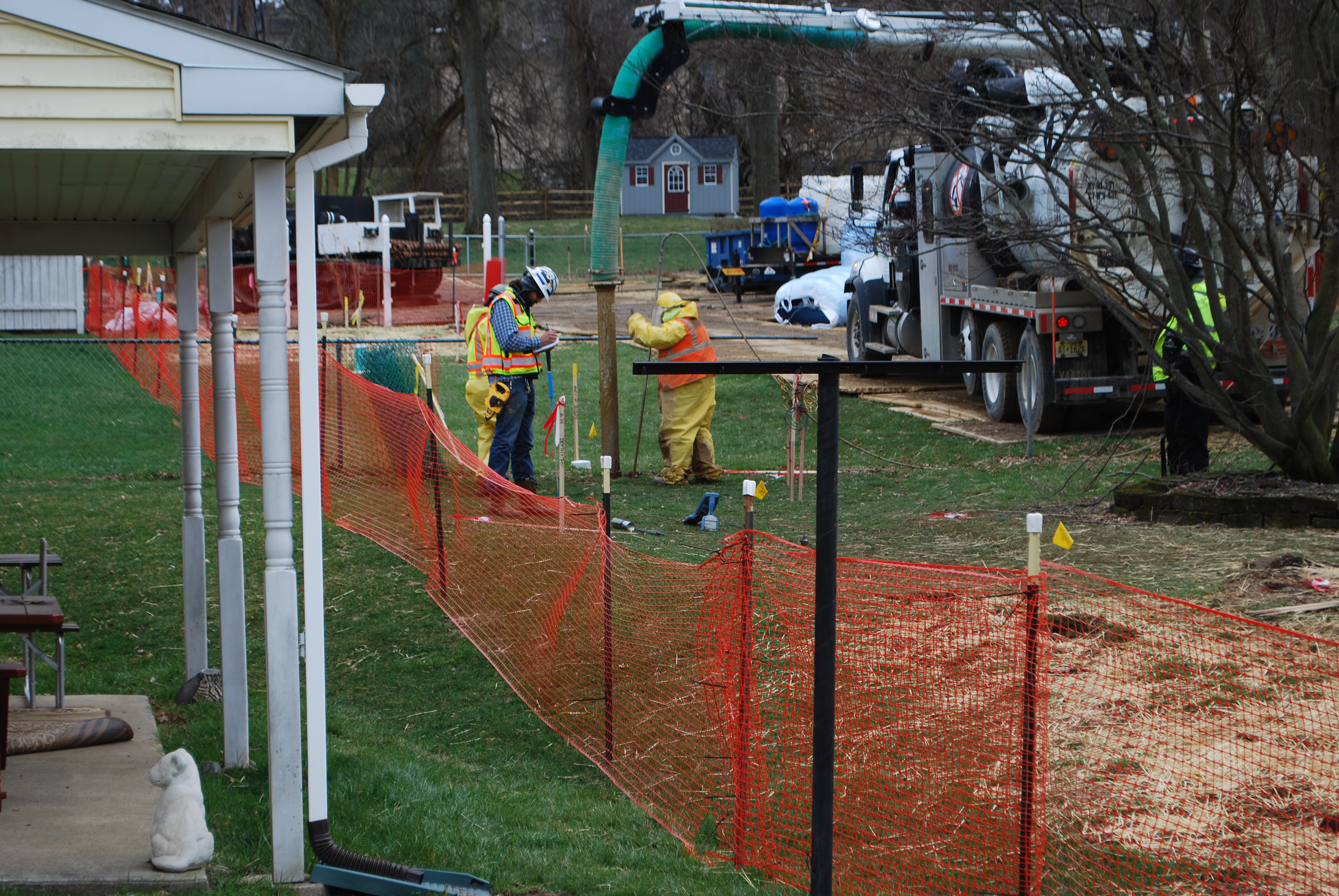
The state Department of Environmental Protection hasn’t finished its investigation into a gas well spill that caused the evacuation of three homes in Wyoming County last month, but in the meantime the agency has allowed the drilling company to resume fracking operations.
The accident began on the evening of March 13 at a well north of Tunkhannock in Washington Township. More than a quarter million gallons of fracking waste water came out of the well before it was successfully capped the following afternoon.
The Texas-based company operating the well, Carrizo Marcellus, was allowed to resume fracking operations last Friday.
“We’re still investigating what could have been done to prevent it,” says DEP spokeswoman Colleen Connolly, “[Carrizo] seems to be following up on what we recommended.”
There is no written DEP policy on allowing a company with an ongoing investigation to resume normal operations. According to the agency, each investigation is dealt with on a case-by-case basis.
Mark Schmerling / courtesy of Protecting Our Waters
Stephanie Hallowich with her children. The Hallowich's sued after they say drilling activity made their children sick. The drilling companies say there is no medical evidence to link the illness to gas drilling.
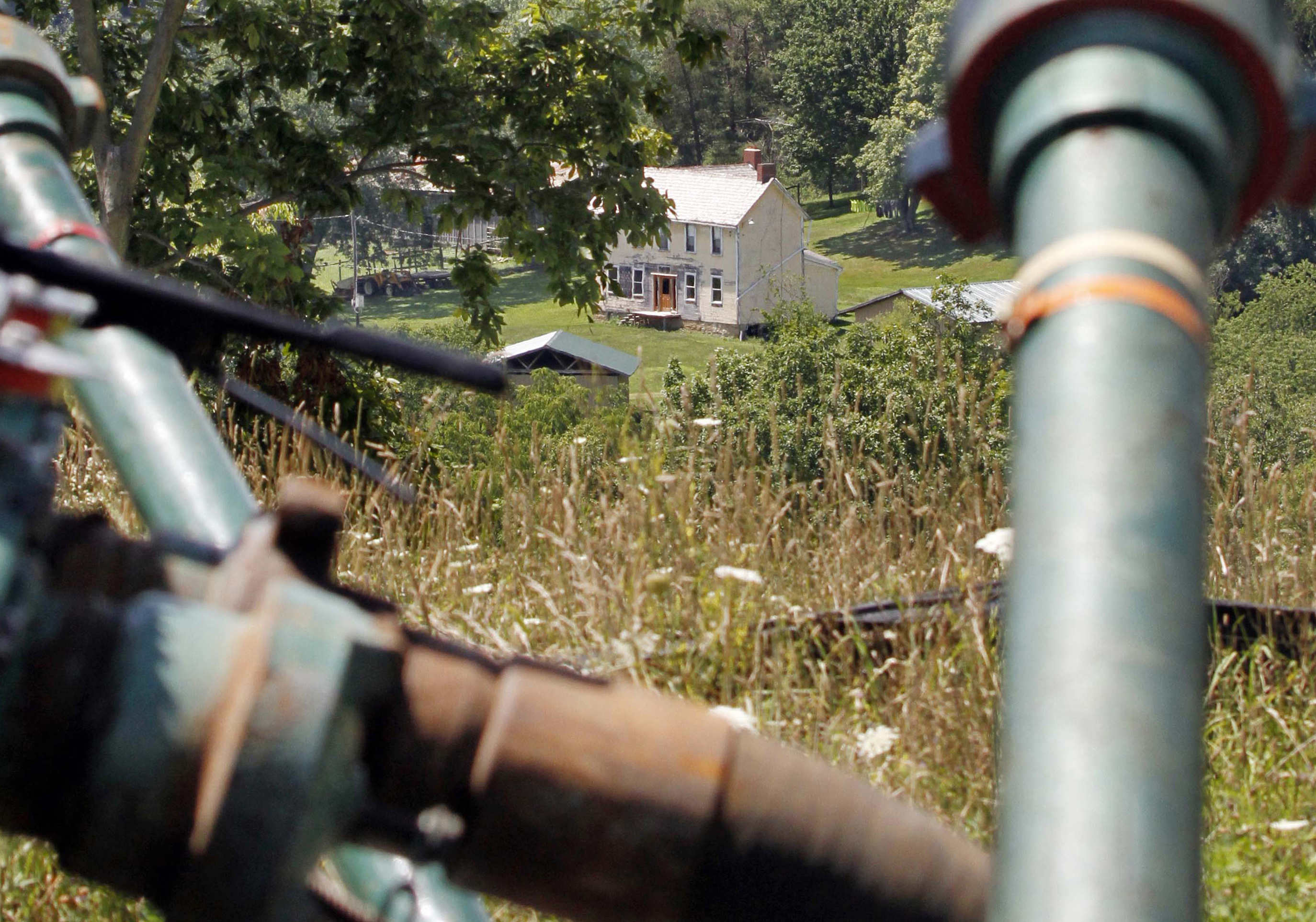
Range Resources, MarkWest Energy and Williams Gas agreed to settle a high profile contamination case in Washington County for $750,000, according to recently unsealed court records. An order to unseal the records was entered Wednesday in Washington County Court of Common Pleas by President Judge Debbie O’Dell-Seneca. Judge O’Dell-Seneca reversed an earlier decision to permanently keep the more than 900 pages of court records secret. In the order she stated that the drilling company’s claims of privacy rights had no merit.
StateImpact Pennsylvania has obtained the newly available documents and we’ve posted all 971 pages below. Continue Reading →
A major Environmental Protection Agency report on natural gas drilling will include a lot of information from Pennsylvania.
The federal study won’t be released until 2014, but the agency recently published a progress report. The EPA is examining five stages of hydraulic fracturing, and assessing each step’s risk of contaminating drinking water. That includes everything from where drillers withdraw their water, to what chemicals they mix in, to how fracking fluid is stored on drilling sites. The study will also probe well construction standards and waste disposal methods.
The study includes an extensive look at drilling in Bradford and Washington Counties. The EPA is also looking at spill data from Pennsylvania drilling sites, and using computer models to predict how much water will be withdrawn from the Susquehanna River Basin in the future.
Keep reading for a look inside the EPA’s progress report. We’ve annotated the document to flag the highlights, as well as the Pennsylvania-specific information.
Documents recently filed with the State Ethics Commission show that Governor Corbett and his wife took a free trip to Rhode Island in July 2011, which was paid for by a friend who does business with the natural gas industry.
In July 2011, Governor Corbett took a vacation to Rhode Island that was paid for by a central Pennsylvania businessman with ties to the natural gas drilling industry.
The trip was noted in a November revision to Corbett’s annual statement of financial interests with the State Ethics Commission. It shows that John Moran, Jr. spent $1,422 on air travel and hotel accommodations for the governor and First Lady Susan Corbett for a long weekend in Rhode Island. Moran also paid $901 to fly the governor on his private plane and helicopter to events in Pittsburgh and Williamsport in September 2011.
A stick marks the spot for a planned frack water disposal site in Brady Township, Clearfield County.
The Environmental Protection Agency has issued draft permits for fracking wastewater disposal wells in both Elk and Clearfield counties. The state has only five permitted and operating underground injection disposal wells that take wastewater from oil and gas production. The EPA has issued final permits for two injection wells in Warren County, but they’re under appeal by residents. With the Marcellus Shale drilling boom, the gas industry needs more options to dispose of their waste water. But plans for the wells in Warren, and Clearfield counties have met substantial opposition from residents.
Neighborhood residents in Brady Township, Clearfield County, where the proposed well would be constructed, have organized to oppose the well, which would be operated by Windfall Oil and Gas, a company located in Falls Creek. It will sit on a piece of property that borders the home of Rick and Marianne Atkinson. The Atkinsons worry the well will bring additional traffic to a quiet neighborhood, and pollute their ground water.
To read the draft permit and related documents, continue to the end of this article.
Rick Atkinson told StateImpact there may not be anything he can do to stop the well from getting built in his neighborhood. But he says a recent incident at a nearby underground injection well makes him nervous. The well, operated by Exco Resources developed a leak and the company didn’t inform the EPA for several months. The EPA temporarily shut down the operation, known as the Irvin well, and fined the Exco Resources. Continue Reading →
Department of Environmental Protection Secretary Michael Krancer at a press conference in Marcus Hook detailing the results of the IHS study on refinery re-use.
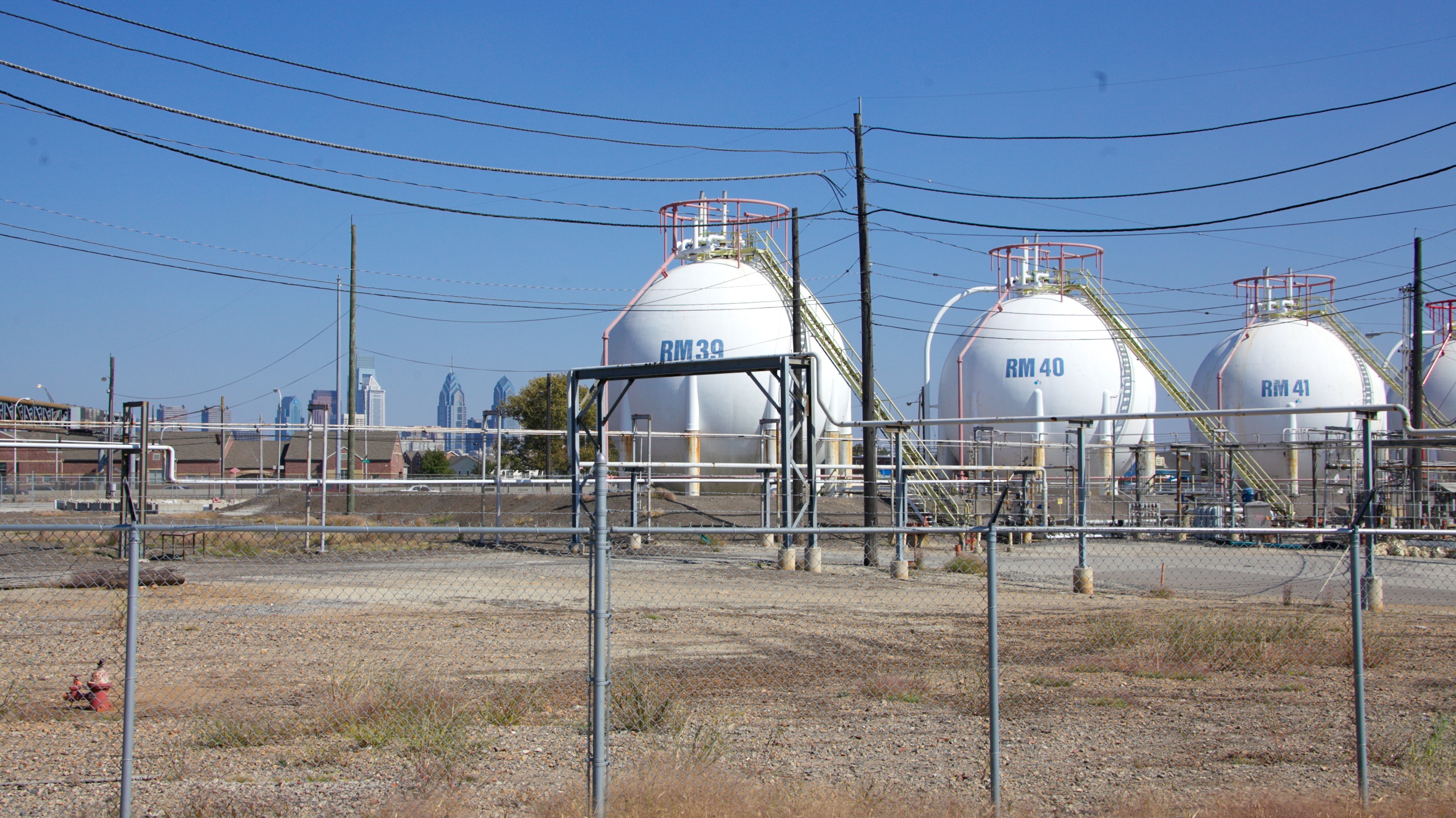
Last month we reported on a battle between the Clean Air Council and the Department of Environmental Protection over air permits. Clean Air Council filed a lawsuit against the DEP challenging the agency’s decision to aggregate two Philadelphia area refineries for the purpose of determining air emission requirements. The CAA says the DEP employs a double standard because the agency does not apply the same standards to oil and gas fields in rural Pennsylvania.
On Wednesday, Secretary Krancer sent a letter to EPA Administrator Lisa Jackson asking the Agency to reject the Clean Air Council’s petition.
Krancer references letters from Leo Gerard, head of the United Steelworkers International, and Rob Wonderling, CEO of the Greater Philadelphia Chamber of Commerce. Both Gerard and Wonderling support DEP’s refinery decision based on job-creation and economic development. Krancer says the Clean Air Council is out of touch. Continue Reading →
Last week, we told you about a Department of Environmental Protection employee’s deposition testimony claiming the state does not report complete lab results, when testing for water contamination near natural gas drilling sites. ”The heavy metals left out of one particular report back to a resident of Washington County,” we reported, “included cobalt, silicon, tin, titanium, zinc, boron, silicon, aluminum, copper, nickel, lithium, and molybdenum.”
DEP Secretary Mike Krancer is responding to the charges in a letter addressed to House Democrat Jesse White, who publicized the deposition in a press release last week. Krancer tells White his “characterization of the testimony…is untrue and inaccurate,”
Krancer says state lab employees were following protocols developed in 1991, and revised after the state’s Marcellus Shale boom began. Read an excerpt from Krancer’s letter below:
DEP Secretary Mike Krancer and Energy Executive Pat Henderson during the final Marcellus Shale Advisory Commission meeting.
This post has been updated with further response from the DEP.
The Pennsylvania Department of Environmental Protection has been withholding information about water contamination related to natural gas drilling in the Marcellus and Utica Shale formations, according to the sworn testimony of a DEP employee.
Read the full deposition at the bottom of this post.
Taru Upadhyay, director of the DEP’s Bureau of Laboratories, testified that although the DEP’s laboratory tests for a full range of heavy metals, the lab does not report all of the test results back to the field office, or the resident. The heavy metals left out of one particular report back to a resident of Washington County included cobalt, silicon, tin, titanium, zinc, boron, silicon, aluminum, copper, nickel, lithium, and molybdenum.
The deposition relates to a lawsuit filed against the Department of Environmental Protection in Washington County, Kiskadden v. DEP, and was taken by attorney Kendra Smith back in September. Smith wrote to DEP Secretary Michael Krancer on Thursday, informing him the DEP’s Oil and Gas Division has procedures in place that purposely remove from lab reports water contaminants for certain heavy metals.
“Testimony of Ms. Taru Upadhyay was quite alarming. As the Technical Director of PA DEP Bureau of Laboratories she revealed what can only be characterized as a deliberate procedure by the PA DEP Oil & Gas Division and the PA DEP Bureau of Laboratories to withhold critical water testing results.”
The Pennsylvania Judicial Center, home of Commonwealth Court
A Commonwealth Court order issued this morning bars Pennsylvania’s Public Utility Commission from reviewing local governments’ natural gas drilling ordinances.
This summer, the court struck down language in Pennsylvania’s new oil and gas law, Act 13, restricting local governments’ ability to zone and regulate natural gas drilling. But when the Corbett Administration appealed the decision to the state Supreme Court, the PUC decided to forge ahead with its assessments of whether or not local ordinances complied with the guidelines laid out by the new state law. As a result, the PUC is withholding fee revenue from three townships whose drilling regulations exceed the state standards. (The challenge filed against a fourth township, Mount Pleasant, has since been withdrawn.)
Today, Senior Judge Keith Quigley ordered the Public Utility Commission to “cease and desist” its reviews. What does that mean for Cecil, Robinson and South Fayette Townships? At the moment, the answer is unclear. PUC spokeswoman Jennifer Kocher writes that “the order, its implications and any further actions are currently under review.”
StateImpact seeks to inform and engage local communities with broadcast and online news focused on how state government decisions affect your lives. Learn More »