Each week we look back at the five stories that got the most clicks, comments and shares at StateImpact Idaho. Take a look and let us know what you think.
Alex LaBeau has been president of IACI since 2006.
Anticipation of the Supreme Court’s ruling on the federal health care law is mounting with talk of a decision early next week. Here in Idaho, business leaders say the lack of a state-run health insurance exchange is a main point of concern.
Legislators didn’t establish a state-run exchange last session, despite pressure from the Idaho Department of Insurance and the state’s most influential business lobby. Idaho Association of Commerce and Industry President Alex LaBeau says that heightens worries for businesses concerned about the future shape of health care provision in the state.
“The path that the Legislature unfortunately chose was to not do anything, which was I think a glaring failure,” he says. “As a result, it put the State of Idaho behind the eight ball, and, I think, was gambling with our citizens’ future. I think that’s just wrong.” Continue Reading →
Idaho's public schools spent $7,106 per-student in 2010.
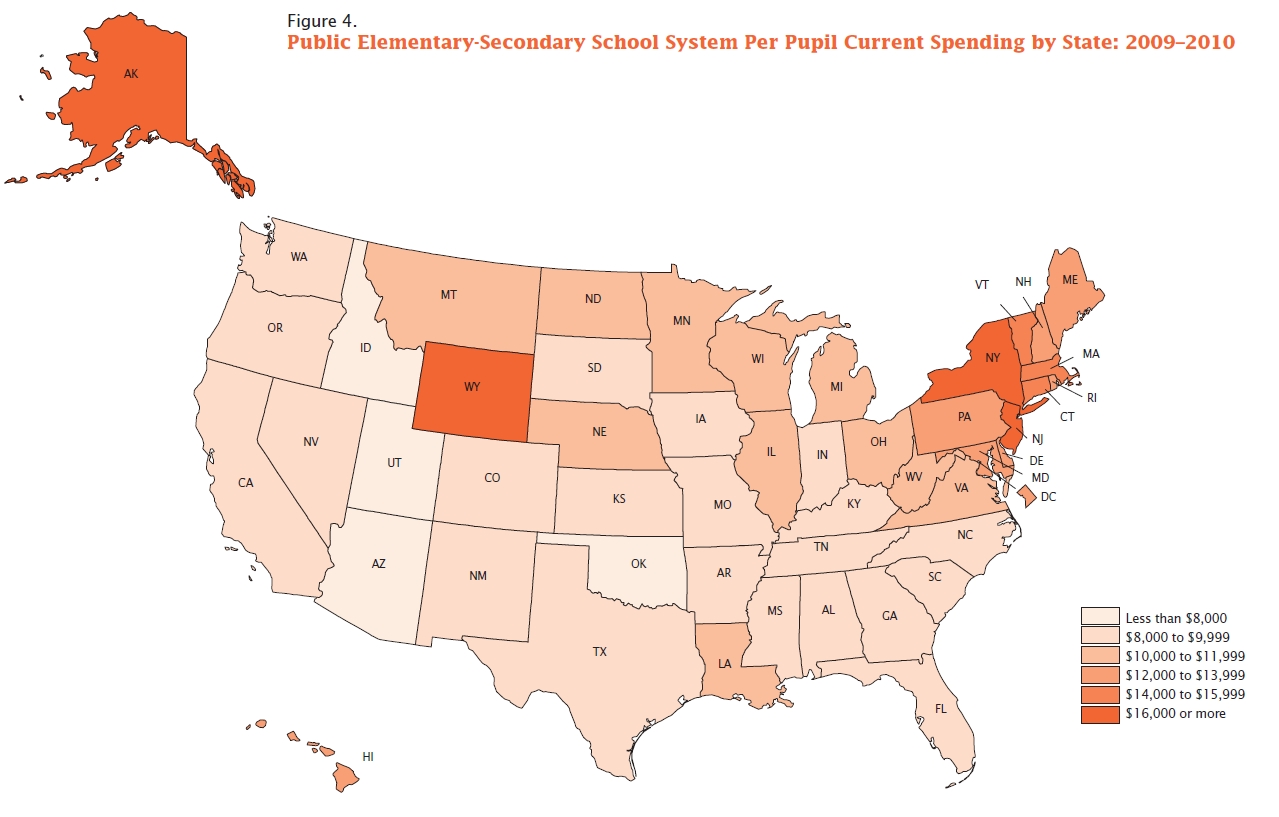
Idaho spent less on each public school child in 2010 than 48 other states. That’s according to a new report released today by the U.S. Census Bureau.
On average, public school systems across the U.S. spent $10,615 per student, while Idaho spent $7,106 from 2009–2010.
Idaho’s public school superintendent Tom Luna says the amount of money a state spends per child isn’t a silver bullet to high academic achievement. “It is a factor, but not the most important factor,” says Luna. Continue Reading →
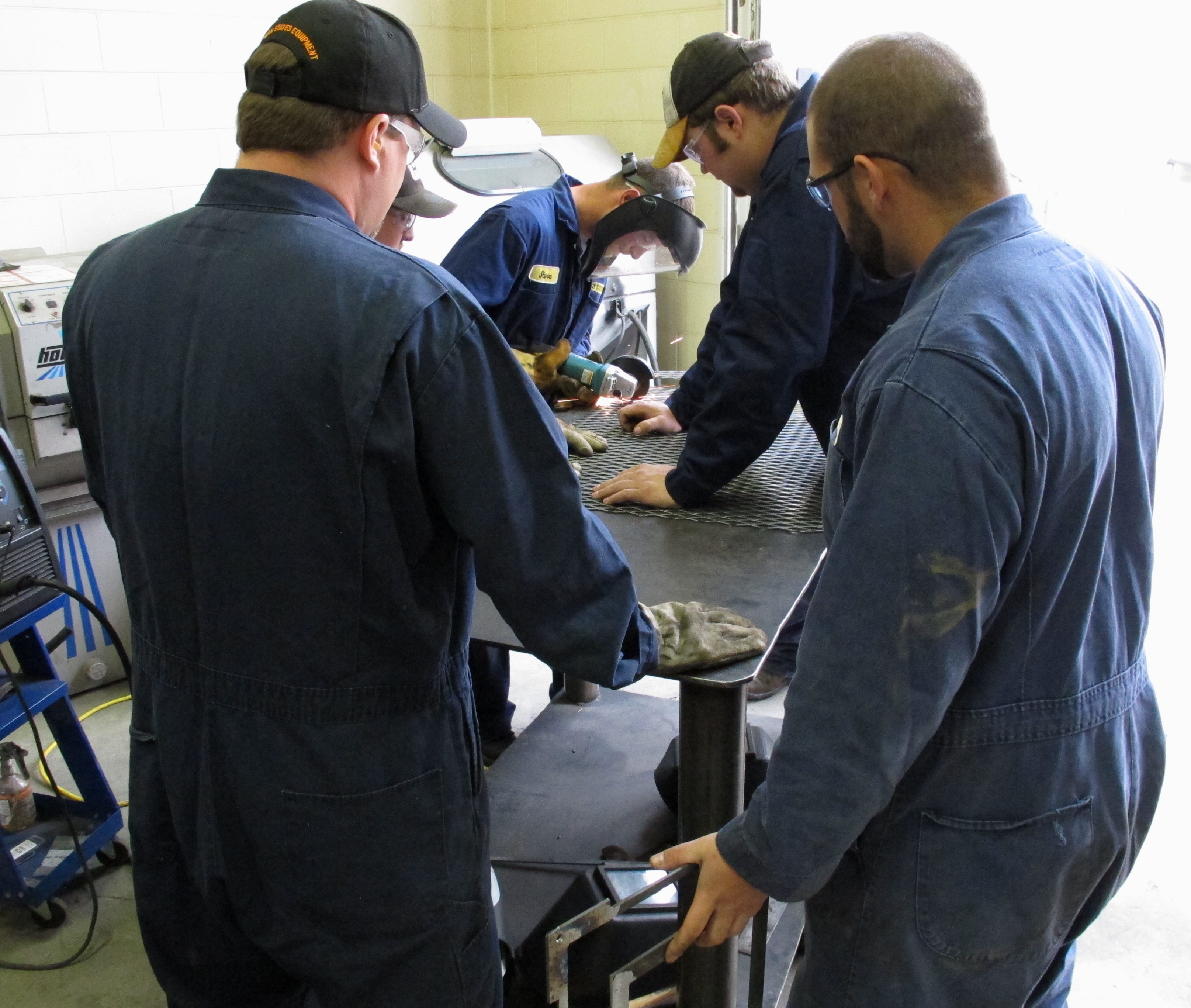
The Idaho Department of Labor has awarded 260 workforce development training grants since the program’s inception in 1996. Some of those contracts went to the same companies.
Grants for training workers range from a few thousand dollars to a few million dollars.
Quick Facts:
205 businesses have received workforce training grants since 1996
Idaho spent $3,500 less than average on each public school student in fiscal year 2010 according to new Census data released today.
On average, public school systems across the U.S. spent $10,615 per student, while Idaho spent $7,106 from 2009-2010. That puts Idaho among states spending the least on elementary and secondary public school kids.
Public schools in the District of Columbia spent the most per students, at $18,667 in 2010. D.C. was followed by New York ($18,618), New Jersey ($16,841), Alaska ($15,783), Vermont ($15,274) and Wyoming ($15,169). Continue Reading →
Dick Vinson began logging at 16, when he was a high school junior in Polson, Montana. Now 75, he’s trying to start up a sawmill in Emmett, Idaho.
Much of the area where Boise Cascade used to operate is fenced off and boarded up.
Judging by a faded sign next to its front door, this building once housed administrative offices for Boise Cascade’s local mill and beam plant.
The new Emerald Forest Products mill is just getting started. Here, logs await a machine called a debarker.
Once cut, boards are stacked according to size.
Three generations of mill workers: Ray Flowers, his daughter Debbie Flowers, and his grandson Casey Heideman
Emmett, Idaho, where farmer Vaughn Jensen raises corn, wheat, alfalfa hay, clover seed and cattle
Stories about mill towns tend to go something like this: generations of families work at the local sawmill. Then, the mill shuts down, taking hundreds of jobs with it. Emmett, Idaho is one of those towns. Boise Cascade closed its mill here in 2001. But that’s not where this story ends. Instead, it picks up with a Montana entrepreneur and millions in stimulus funding.
Idaho’s public employee pension system gap continues to shrink.
As we reported yesterday, a Pew Center on the States Report compared each state’s pension system in 2010. Many states, including Idaho, took a big hit when the financial markets crashed in 2008, resulting in staggering investment losses.
Idaho is making a quicker comeback than many states thanks to something called “smoothing.” That basically means Idaho took its financial hit all at once, while many other states smoothed out those short term losses over a five year period.
So, some states will continue to feel investment losses from the 2008 economic crash while Idaho’s pension system is on the mend.
In 2010, Pew reports the gap between Idaho’s assets and its obligation to fund public employee pensions was $3 billion or 79 percent funded.
According to PERSI spokesperson Patrice Perow, Idaho’s gap is now at $1.88 billion or 85 percent funded.
As long as Idaho’s unemployment rate stays above 7 percent, businesses will be able to apply for training grants to replace retiring employees. Last month, Idaho’s unemployment rate was 7.8 percent.
Before this change, businesses were only eligible for the training money if they were expanding their current workforce or averting layoffs. Continue Reading →
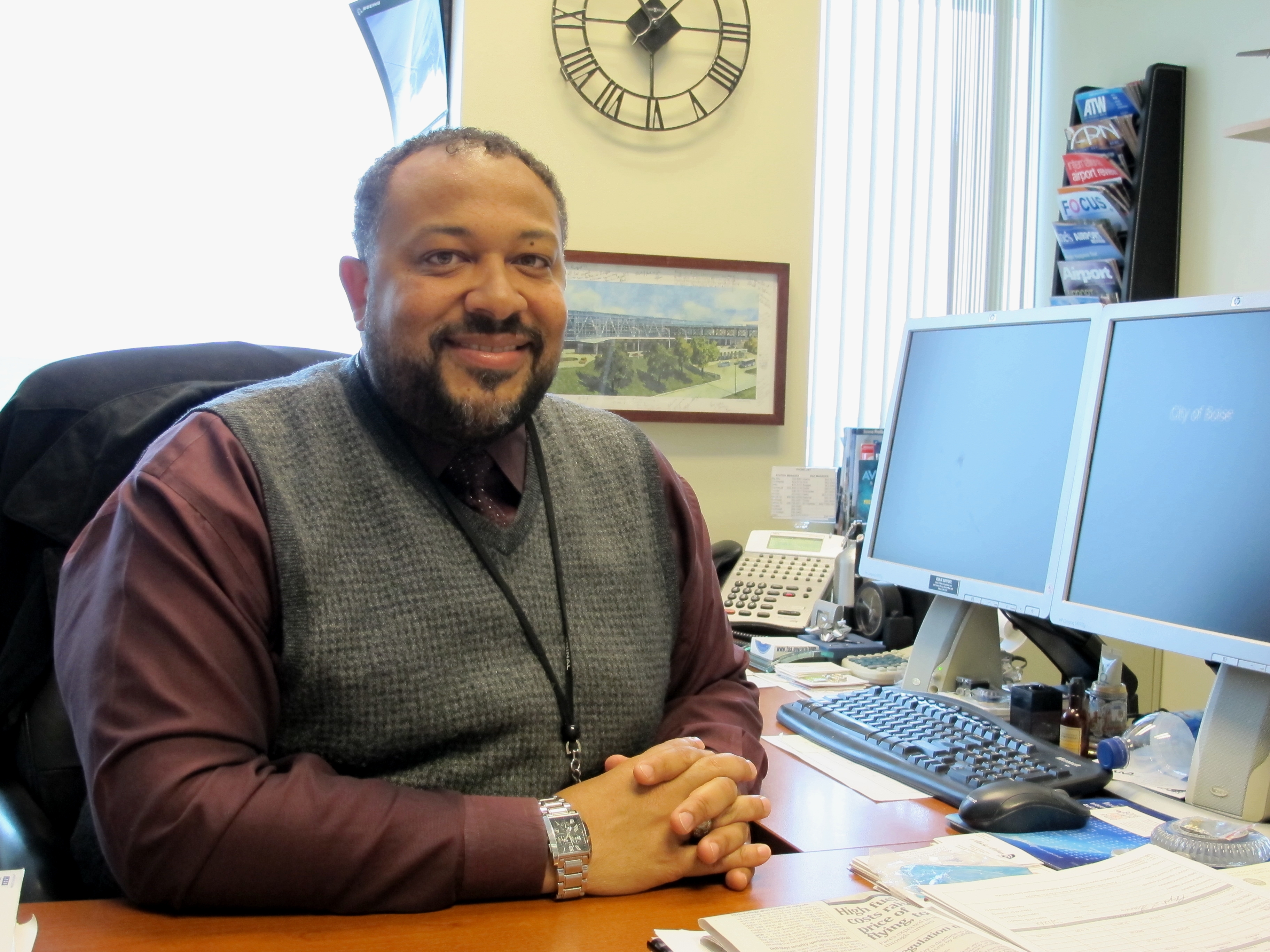
Bryant Francis, a Boise Airport Deputy Director, is making Boise's case to airlines.
This spring, Boise business leaders found a target and zeroed in. The Boise Airport had recently been hit by a spate of cuts. Southwest had suspended local service to Seattle, Salt Lake and Reno, and that was only the latest round of flight reductions. Preserving and expanding air service would be its chief focus, a Boise Metro Chamber of Commerce committee decided.
Toward that goal, the Boise Airport this month applied for a $1 million grant from the U.S. Department of Transportation’s Small Community Air Service Development Program. The Boise Metro Chamber signed on to provide a match — $10,000 in cash and an additional $10,000 in promotional support. Continue Reading →
Idaho is faring better than many states when it comes to funding its public employee pension and retiree health care systems.
A Pew Center on the States study on the widening gap between states’ assets and their obligation to fund pension systems ranks Idaho in the “needs improvement” and “solid performer” categories. Most states — 32 of them — landed in the “serious concern” category.
Here’s Pew’s assessment of the situation across the country:
“In fiscal year 2010, the gap between states’ assets and their obligations for public sector retirement benefits was $1.38 trillion, up nearly 9 percent from fiscal year 2009. Of that figure, $757 billion was for pension promises, and $627 billion was for retiree health care. Continue Reading →
About StateImpact
StateImpact seeks to inform and engage local communities with broadcast and online news focused on how state government decisions affect your lives. Learn More »