Caption
Oklahoma State Senate
Caption
Oklahoma State Senate
Oklahoma State Senate
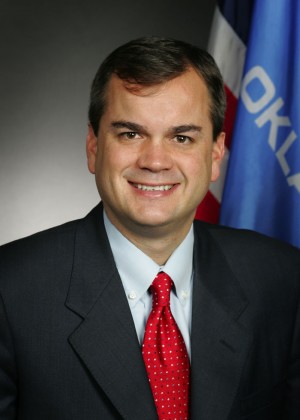
The tax reform panel's recommendations appear to be a tax increase for most Oklahomans, state Sen. Sean Burrage, D-Claremore, told the Tulsa World.
A legislative task force is calling for cuts to Oklahoma’s top personal income tax level and the corporate income tax.
Obviously, both measures would mean a loss of state tax revenue.
To make up the difference, the Task Force on Comprehensive Tax Reform suggested eliminating dozens of tax credits and breaks, including the $1,000-per-person personal exemption about 80 percent of Oklahoman tax filers claim each year.
A primary goal, the tax panel concluded, was that Oklahoma should become a “no-income tax” state. The panel suggested eliminating all or most tax “preference items” and incentive programs, and proposed a review of Oklahoma’s sales tax base.
The tax panel recommended reducing the personal income tax by 0.5 percent over two years and a 1 percent cut to the corporate income tax. From 2012 to 2014, the top personal income tax rate would drop from 5.25 percent to 4.75 percent; the corporate rate would simply be cut from 6 to 5 percent.
Estimated Income Tax Revenue Losses:
Personal: $352 million | Corporate: $60 million
The tax panel’s final report calls for the elimination of 46 tax credits and the personal exemption deduction, an exemption that reduces the tax liability for most Oklahoma households. About 1.5 million of 1.8 million taxpayers claimed the exemption in 2009, the most recent year with available data.
Other proposed eliminations include $43.2 million in food sales tax relief to the poor and the Earned Income Tax Credit, a $31.9 million program that helps poor families with children.

Click here to read the tax reform panel's final report.
In an Oklahoma Policy Institute blog post, policy analyst Gene Perry said some of the panel’s recommendations would increase taxes for most Oklahomans:
This would hit hardest the poor and middle class families who are struggling most to make ends meet in a tough economy.
But state Sen. Mike Mazzei, co-chairman of the tax panel, told The Oklahoman that the recommendations would “transform the tax code away from special interest items” and would “be a positive net gain for hardworking Oklahomans who pay income taxes.”
“It is simply wrong when a special interest group benefits from an obsolete or ineffective tax preference at the expense of hardworking Oklahomans who deserve to keep more of their hard-earned income,” Mazzei, R-Tulsa, told reporter Michael McNutt.
Oklahoma’s Democrats pledged scrutiny, writes the Tulsa World‘s Wayne Greene.
” … It appears that the members of the task force are calling for a tax increase for a majority of Oklahomans – especially working Oklahomans – in order to provide a tax break for corporations,” said Sen. Sean Burrage, D-Claremore.
Many of the targeted tax credits were also examined by the tax credit task force, including incentives for Oklahoma coal producers, energy-efficient home-builders, renovating historic buildings, railroads, venture capital investments and film projects.
[spreadsheet key=”0An-0uSFNZhY0dFM2a1R5WHd3TnNIVU5PWjdpZEhtZEE&hl” source=”Final Report: Task Force on Comprehensive Tax Reform” sheet=1 filter=1 paginate=1 sortable=1]


