Florida

Putting Education Reform To The Test

Topics

failing schools

How Does the State Grade Schools?

Background

The Florida Department of Education has a formula for grading schools. Every year the state gives each public K-12 school an A through F letter grade.

For kindergarten through middle school, school letter grades are based on a schools FCAT scores.

But for high schools, there is a new formula. Only 50 percent of a high schools grade comes from FCAT results.

Here’s the breakdown of the high school grading formula.

There are a total of 1600 points a high school can earn.

  • 800 points: come from a schools FCAT scores
  • 300 points: come from graduation rates
  • 200 points: come from college readiness, which is measured by SAT results
  • 175 points: come from student participation in college-level classes, like Advanced Placement (AP), International Baccalaureate (IB), and Dual Enrollment where students can earn actual college credit as well as high school credit. As well as Advanced International Certificate of Education (AICE) courses.
  • 125 points: come from performance in college-level courses, meaning whether students earn college-credit for the college-level courses they enroll in.

Latest Posts

2011-2012 Florida High School Grades

12-21 MeasuringTape

The Florida Department of Education released 2012 high school grades, part of the state’s school accountability system. The data includes each component of the school’s score and demographic data.

Florida Schools Get One Year To Transition Into Tougher Grading Standards

With a tougher grading formula looming for Florida’s schools, state Education Commissioner Gerard Robinson is recommending a plan that would keep any public school from falling more than one letter grade this year. In a list of recommendations, Robinson asks the Florida Board of Education to “authorize a maximum one school letter grade drop for [...]

Rural Students Vs. Urban Students: Who Performs Better in College-Level Classes?

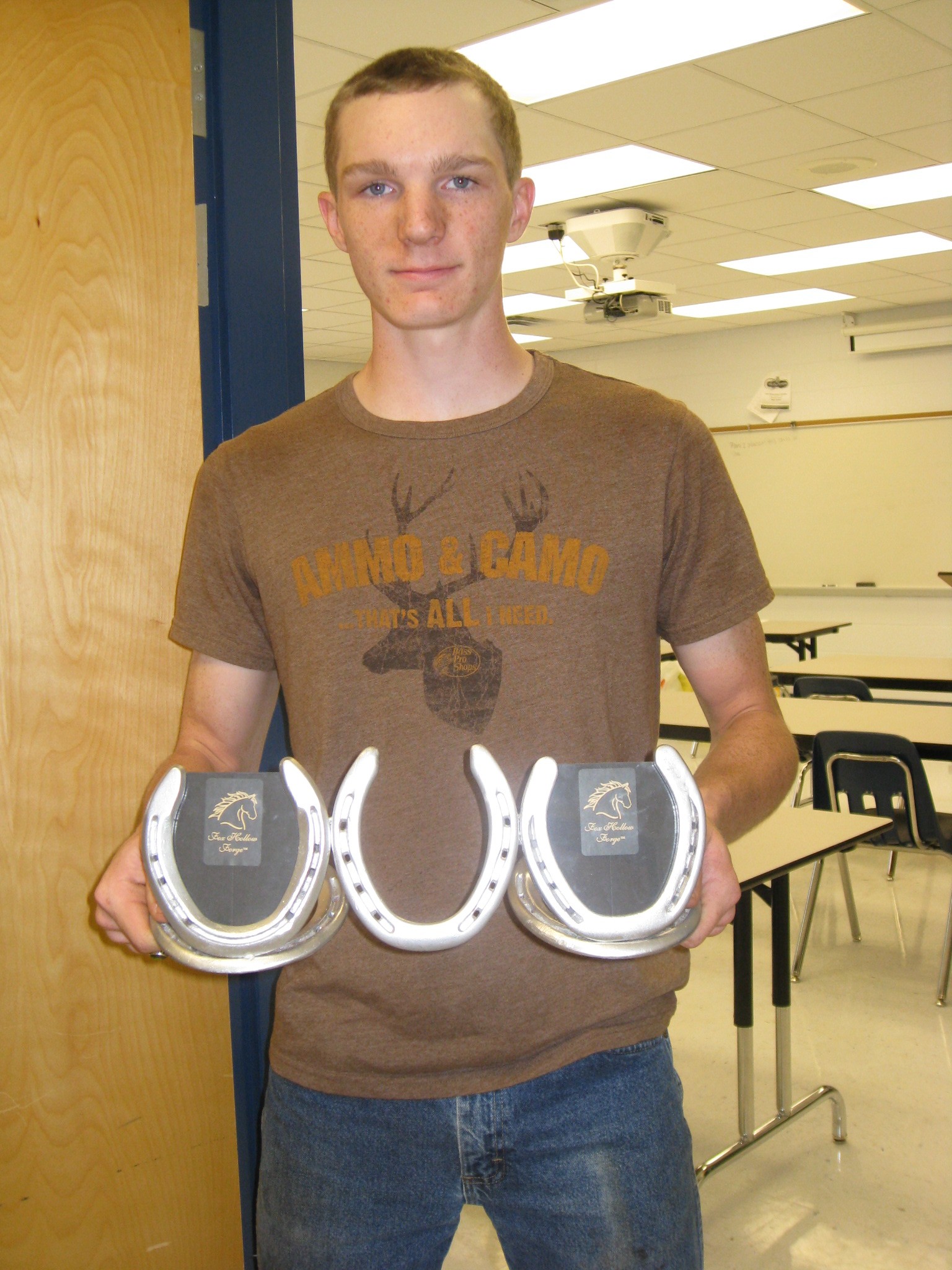
One reason participation in college-level classes is low at rural high schools is because there isn't a lot of interest. Daniel Glawson, a senior at Sneads High in Jackson, Fla., wants to be a downhill pipeline welder for oil rigs. He welded this picture frame out of horse shoes in agriculture class. Glawson says he rather work with his hands than go to college.

In Florida’s rural counties, high school leaders say they can’t offer as many college-level courses as large urban high schools. But rural students are more likely to earn college credit for the college courses they do take, than urban students. Low participation counts against the grade high schools get by the state, which is tied to [...]

Grading Florida Schools: Opportunities Lag for Rural Students

Click on the map to see which school districts have the most students taking advanced courses.

Florida high schools are being judged by the number of students enrolled in college-level classes. It’s tied to bonus money from the state. But in Florida’s rural counties, small schools say they can’t compete with the opportunities at large urban schools. Ashley Carr, a senior at Sneads High School in rural Jackson, Fla., is worried [...]

About StateImpact

StateImpact seeks to inform and engage local communities with broadcast and online news focused on how state government decisions affect your lives.
Learn More »

Education