Molly Messick was StateImpact Idaho's broadcast reporter until May 2013. Prior to joining StateImpact and Boise State Public Radio, she was a reporter and host for Wyoming Public Radio. She is a graduate of Columbia University Graduate School of Journalism.
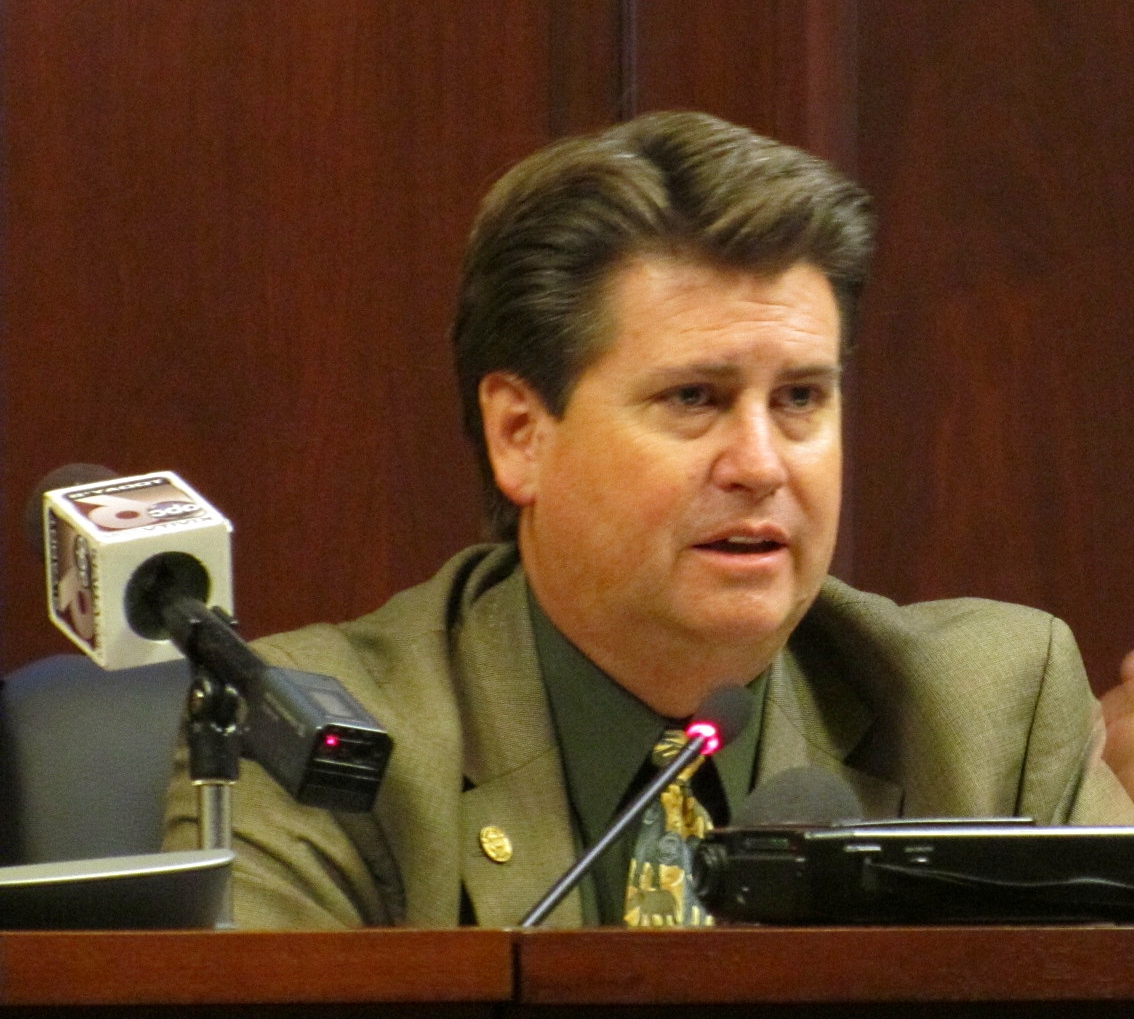
Sen. Dean Cameron co-chairs the health care task force.
The Idaho Legislature’s health care task force will focus on the Supreme Court’s health care decision in its day-long meeting on Monday. The 14-member group will hear from Department of Insurance Director Bill Deal and Department of Health and Welfare Director Richard Armstrong, among others.
The Monday gathering comes days before Gov. C.L. “Butch” Otter’s two health care working groups hold their inaugural meetings, scheduled for August 2 and August 6. The governor appointed the two groups to study the main questions that arose for the state when the Supreme Court upheld the main components of President Obama’s health care law. Those questions are: should Idaho create a state-run health insurance exchange, and should it opt into the law’s Medicaid expansion? Continue Reading →
The housing bubble is a large part of what got the U.S. into its economic mess, and the sector hasn’t done its usual duty of leading the way toward recovery. But it did add .22 percent to GDP in the second quarter, and .43 percent in the first quarter, the WSJ says.
We have seen evidence of this turnaround here in Idaho. As the Brookings Metro Monitor showed earlier this month, no major U.S. city had seen more home price improvement than Boise as of the first three months of this year. Continue Reading →
Western States CAT, which sells and repairs Caterpillar equipment, has established its own training program to make sure it has enough qualified workers.
For years now, labor economists and many of us who have felt the recession’s effects have puzzled over the U.S. jobless rate. When will it come down, and why hasn’t it fallen more already? One explanation is the so-called skills gap. That’s the idea that employers are ready to hire, but they’re having a hard time finding workers with the training to meet their needs.
It’s an argument that has generated quite a few counterarguments. Are there actually not enough machinists or welders out there? Or are employers simply holding out until they find the perfect employee, someone they won’t have to train and bring up to speed? Are the wages they’re offering too low to attract skilled job seekers? Continue Reading →
A sign advertises new homes going up outside of Boise.
New home sales took a dive in June, falling by more than 8 percent nationwide. That’s according to a report out this week from the Commerce Department. But that national trend doesn’t hold as true in the Boise area, which accounts for a large number of Idaho’s new home sales.
According to data from the Intermountain Multiple Listing Service, 120 new homes were sold in Ada County in June, a 9 percent decrease from May, when 131 new homes sold. Neighboring Canyon County saw an increase in new home sales in the same period — from 21 to 28 — which compensated for most of Ada County’s drop. Taken together, the counties saw a much less consequential 2.5 percent decrease in new home sales.
“I don’t think we’re hitting a stagnation point,” says Marc Lebowitz, of the Ada County Association of Realtors. “The limited availability is what is causing that slowdown.” Continue Reading →
The Annie E. Casey Foundation report puts Idaho 26th in terms of kids' economic well-being. Click on the image above to the state rankings.
Nearly a third of Idaho children live in households where neither parent has a secure, full-time job. That’s according to a new report from the Annie E. Casey Foundation.
Relying on 2010 data, the Kids Count numbers show an increasing percentage of Idaho children live in households where neither parent has reliable work — 31 percent in 2010, up from 26 percent in 2008.
Idaho Kids Count director Lauren Necochea looks to Idaho’s child poverty rate as an indicator of children’s economic well-being. That rate stood at 19 percent in 2010, compared to 14 percent in 2000. Necochea says that increase carries troubling implications for Idaho kids. “The increasing child poverty rates are concerning because of the long-term impacts,” she says. Continue Reading →
The dairy industry is the leader in Idaho's Magic Valley.
A new report from the University of Idaho touts the economic importance of agriculture in central Idaho’s Magic Valley.
Agribusiness exports directly or indirectly create a third of jobs in the six-county area, the U of I Extension analysis says. Those exports also directly or indirectly create two thirds of Magic Valley businesses’ sales, with the dairy processing industry contributing the largest share.
“Idaho is the third largest dairy state in the nation, and 70 percent of those cows are in the Magic Valley,” explains agricultural economist and report co-author Garth Taylor. Continue Reading →
Click on the image above to see the interactive map.
Republican governors are getting on-board with the online sales tax, according to a Wall Street Journalpiece out today.
In Idaho, a so-called “streamlined sales tax bill” failed last legislative session, and not for the first time. The bill was intended to create a more reliable way of collecting the state’s 6 percent sales tax on online purchases.
The WSJ article points out that online retailers have long had an advantage over their brick-and-mortar counterparts, given customers’ ability to avoid sales taxes by buying online. Continue Reading →
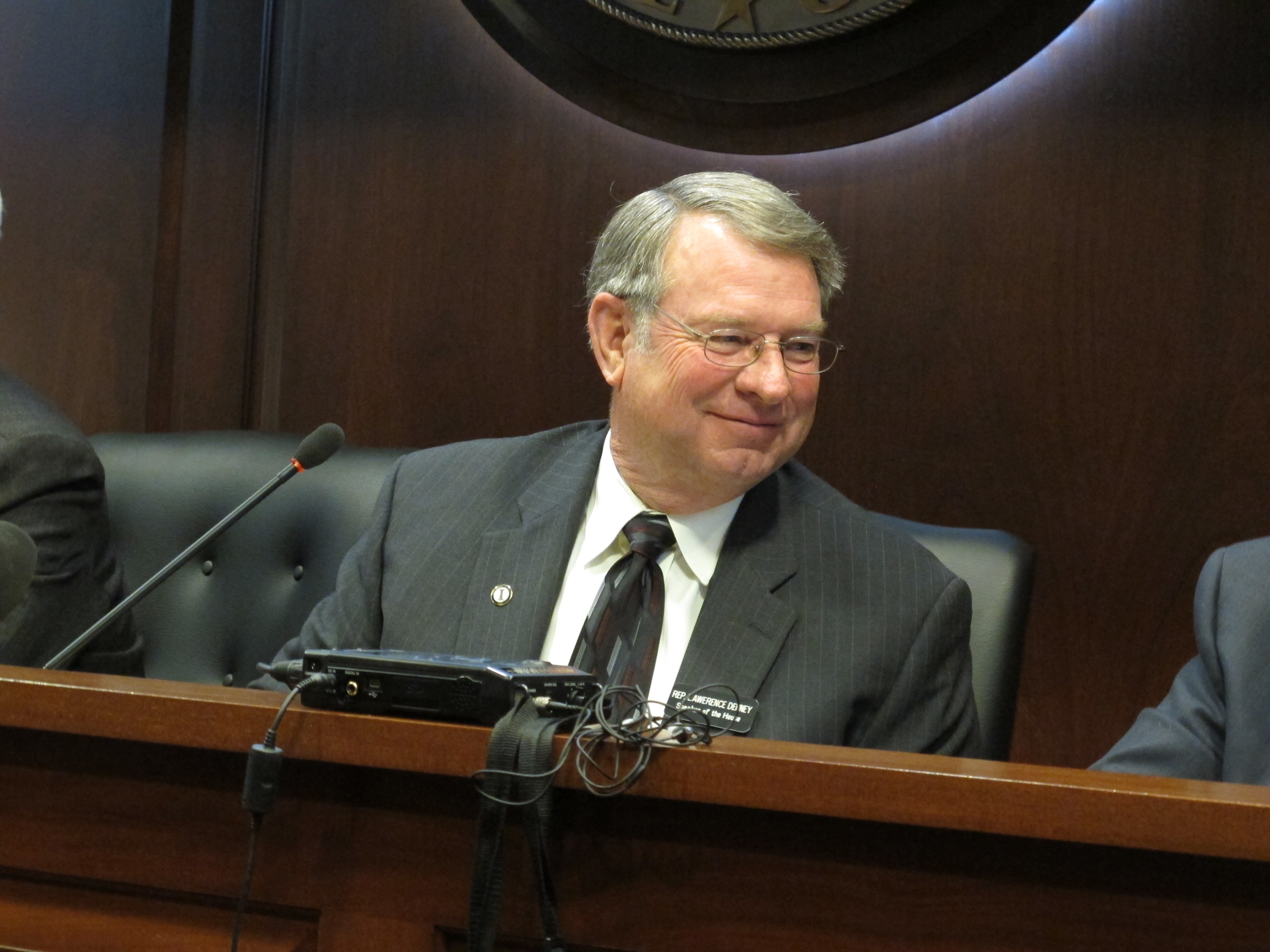
Speaker of the House Lawerence Denney said this week that he's opposed to implementing "Obamacare" in Idaho.
Gov. C.L. “Butch” Otter said this week that he will form working groups to study the two big questions arising from the Supreme Court’s health care ruling. Those are: should Idaho establish a state-run health insurance exchange? And should it adopt the Medicaid expansion provided for under the Affordable Care Act?
One of the main arguments that favors Medicaid expansion is that the state would actually save money by expanding eligibility, given the substantial costs of the state’s Catastrophic Health Care, or CAT, fund. (That fund pays the medical bills of indigent Idahoans, who, as a recent report from the fund puts it, “have fallen through the cracks of the welfare system, or have inadequate insurance to meet the financial responsibilities when their medical costs are of catastrophic proportions.”) Continue Reading →
Business and community leaders posed at this morning's groundbreaking in downtown Boise.
Zions Bank broke ground today on the 18-story building that will take the place of the massive hole in the ground that has long been a feature of downtown Boise.
The corner at 8th and Main has been vacant since the late 1980s, when a fire destroyed the Eastman building. That made the groundbreaking a special kind of celebration for the city leaders, real estate developers and others who turned out. The groundbreaking even included a Native American drummer, brought in to break The Hole’s supposed curse. Continue Reading →
About StateImpact
StateImpact seeks to inform and engage local communities with broadcast and online news focused on how state government decisions affect your lives. Learn More »