Earlier this week we wrote about a Lumina Foundation study that showed Florida was not producing enough college graduates to meet the projected job market needs by 2018. The report warns that those without college education will likely find it more difficult to find work.
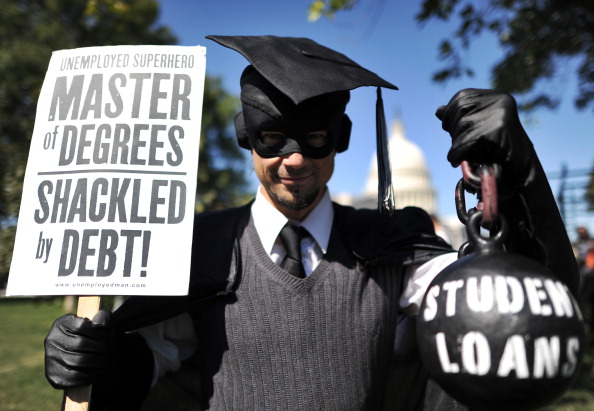
Readers chimed in, with many noting that a college degree is no guarantee for employment either.
Editors note: This post was written by WLRN reporter Tasnim Shamma.
As a new documentary about bullying hits theaters in New York and Los Angeles today, a growing number of South Florida schools are taking on the issue of students abusing and picking on their classmates.
More than 40 Miami-Dade, Broward and Palm Beach County have signed up for an anti-discrimination program called “No Place for Hate.”About 35 pre-K schools have joined the program in Palm Beach County.
And Pasadena Lakes Elementary School in Broward County just joined a growing list of South Florida schools certified as “No Place for Hate” Wednesday.
Lily Medina, the Education Project Director with the Florida Anti-Defamation League, says that the outreach has been focused on South Florida based on where they were able to receive grants. But the ADL’s “No Place For Hate” program hopes to expand to North Florida and Central Florida soon.
But Hecht, and his colleagues from the Gators College Access Network, say they have to oppose a bill Machen supports which would allow the University of Florida and Florida State University to set their own tuition at market rates.
Graduation day at Northwest Florida State College. A new report shows Florida isn't producing enough college graduates to meet job market demands.
Florida is not producing enough college graduates to meet the projected job market needs by 2018, according to a new report from the Lumina Foundation.
The Sunshine State ranks 31st in the nation for the percentage of adults who have earned a college degree.
About 36.5 percent of state residents have earned an associate’s, bachelor’s or a graduate or professional degree. Nationally, 38.3 percent of adults have a college degree.
Florida schools ratings would only drop by a single letter grade under a proposed change to the state school grading system floated at Tuesday’s state Board of Education meeting, according to the Miami Herald.
The state’s plans to toughen its grading system has drawn criticism from school district officials worried that many more schools would earn failing grades under the new system. Parents have criticized plans to test and rate schools that specialize in students with disabilities.
Some of the changes — raising FCAT requirements — have been long-planned. Others, such as testing new English learners and students with disabilities, could be added as required to exempt Florida from federal education rules.
The Atlanta Journal-Constitution has identified suspicious test scores at nearly 200 school districts.
Florida schools do not have patterns of suspicious test results that have plagued schools in Atlanta, Baltimore, St. Louis and elsewhere, according to an Atlanta Journal-Constitution analysis of testing data from 69,000 schools in 49 states.
Only one county, Gadsden in the Panhandle, had more than 10 percent of schools show unusual gains or losses from the previous year’s score — and only for one year. That’s a far cry from Atlanta or St. Louis-area schools that had as many as one-quarter of all schools post suspicious gains or losses on standardized tests.
The investigation sprang from a cheating scandal in Atlanta public school that eventually cost superintendent Beverly Hall her job.
In all, nearly 200 school districts had enough suspicious tests that the probability of the scores happening — without any cheating — was on in 1,000. Inn 33 districts those odds were one in one million.
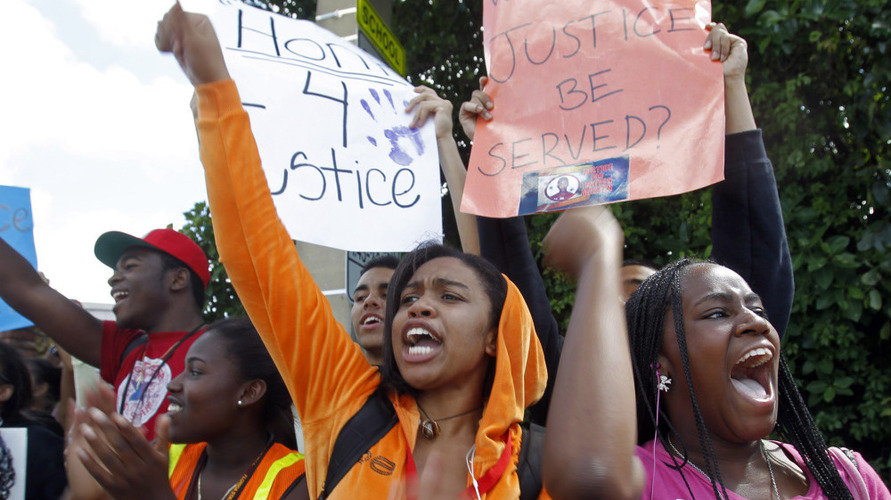
Students walked out of 34 Miami middle and high schools on Thursday and Friday, some chanting “Justice for Trayvon,” in a sign of solidarity with the 17-year-old black student who was killed by a neighborhood watch volunteer last month in Sanford, Fla.
Protesters numbered more than 1,000 at some schools, others fewer than 100. Some teachers and principals gave their tacit approval.
The first walkout was at Carol City High School, where Trayvon Martin was a student last year. Hundreds of his old schoolmates walked out in the middle of the school day.
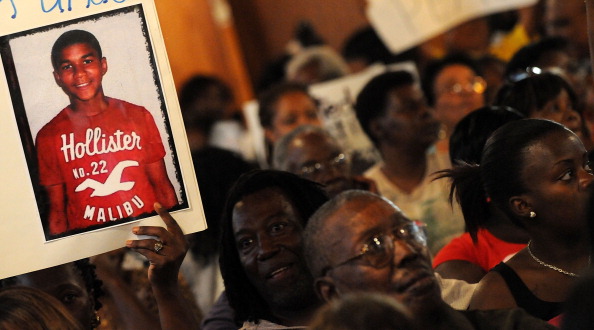
Attendees at a town hall meeting hold up a photo of slain teen Trayvon Martin.
The nation is talking about the death of Trayvon Martin in a gated Florida community Feb. 26, and that discussion included StateImpact Florida as well.
Many of the comments to our coverage this week dealt with Martin’s suspension from school at the time he was shot by a volunteer neighborhood watch leader. Some readers have pulled the Miami-Dade school district’s policies to argue that Martin’s suspension indicates some sort of serious offense.
Update on 3/26 at 1:38 p.m. — Martin family attorney confirms suspension for drugs.
The Martin family attorney has confirmed Trayvon Martin was suspended because he had an empty plastic bag with traces of marijuana, according to the Miami Herald
Our original post from 3/23 at 3:15 p.m.
We don’t yet know why Martin was suspended. The family has said only that his offense was not violent, while a teacher said Martin was suspended for being late too many times.
There are also conflicting reports about the length of Martin’s suspension. The Orlando Sentinel has reported Martin received a five-day suspension, while the Miami Herald reported a 10-day suspension.
Students enrolled in nearly 260,000 courses through the school in the 2010-2011 school year.
Florida trails other states in the number of students enrolled full-time in online programs, but a recently approved bill that expands full-time enrollment could raise those numbers. In addition, 56 school districts operate online programs offering full-time and part-time instruction.
StateImpact seeks to inform and engage local communities with broadcast and online news focused on how state government decisions affect your lives. Learn More »