Pennsylvania

Energy. Environment. Economy.

National Park Service Opposes New Power Lines in the Delaware Water Gap

Stan Honda / AFP/Getty Images

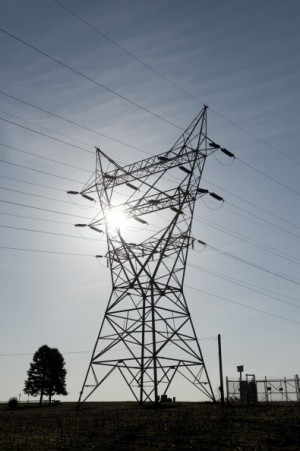
Tow­ers carry elec­tric­ity from the Peach Bot­tom Nuclear Power Plant in Lan­caster County, Pennsylvania.

Plans for new high-voltage power lines through the Delaware Water Gap National Recre­ation Area have hit a snag with this week’s release of the draft envi­ron­men­tal impact state­ment by the National Park Ser­vice. The state­ment says can­cel­ing the project would be the best option to pre­serve “the bio­log­i­cal and phys­i­cal envi­ron­ment,” and pro­tect “…the his­toric, cul­tural, and nat­ural resources,” of the Water Gap Recre­ation Area.

The pro­posed 145-mile line would run from Berwick, Pa., to Rose­land, N.J. It would run through exist­ing rights of way, but would replace the cur­rent 85-foot tow­ers with 200 foot tow­ers. The plan would also widen the exist­ing rights-of-way, and con­struct new access roads in the Delaware Water Gap Recre­ation Area, the Mid­dle Delaware National Scenic and Recre­ational River and National Recre­ation Water Trail, and the Appalachian National Scenic Trail.

Cost­ing about $1.2 bil­lion dol­lars, the pro­posed trans­mis­sion line would carry elec­tric­ity from the Susque­hanna nuclear power plant in Berwick, Pa., run­ning through Lack­awanna, Luzerne, Mon­roe, Pike and Wayne coun­ties before cross­ing the Delaware River into New Jer­sey. The line would be built by PPL Cor­po­ra­tion and PSE&G and run by PJM Inter­con­nec­tion. Pro­po­nents say the new trans­mis­sion line is needed to reduce con­ges­tion, pre­vent­ing elec­tric­ity dis­rup­tions in heav­ily pop­u­lated areas.

Envi­ron­men­tal­ists say New Jer­sey should rely more on alter­na­tive energy sources like wind and solar. The Obama Admin­is­tra­tion decided to fast-track the project last month, say­ing it would cre­ate 2,000 jobs. The National Park Service’s draft envi­ron­men­tal impact state­ment includes a 60-day pub­lic com­ment period. Their final state­ment should be com­pleted by the fall of 2012.

Comments

  • Anony­mous

    First, the lines begin in Berwick, not Susque­hanna — you’re about 3 coun­ties off.

    Sec­ond, I think that it’s great that so-called “envi­ron­men­tal­ists” are doing such a good job at cut­ting their own throats. First, they are work­ing hard to dis­cour­age the enlarge­ment of exist­ing nat­ural gas pipelines into Man­hat­tan and now they’re stop­ping the expan­sion of exist­ing power lines. They are doing a great job to make sure that NYC will freeze in the dark. I’ll bet that if you threw them a life pre­server in the water, they’d fold their arms and sink. I’m sure the reg­u­lar cit­i­zenry will salute their fore­thought when brown outs and high prices occur.

    Go Gree­nies!

    • Susan Phillips

      That’s cor­rect, the lines begin at the Susque­hanna Nuclear Power Plant in Berwick, not in Susque­hanna, Pa. The error is fixed.

    • Grtwent

      First off, the stud­ies have shown that due to increas­ing energy effi­ciency since the project was first pro­posed, that the power line expan­sion is not needed.  Sec­ondly, there’s a rea­son that the NPS has come out against the project (aside from need) — there are three FEDERALLY PROTECTED areas involved.  You obvi­ously have no regard for those dimin­ish­ing nat­ural areas left remain­ing that serve mul­ti­ple pur­poses (includ­ing serv­ing as a recre­ational space for mil­lions of peo­ple each year).  If the pow­er­line is so nec­es­sary, why can’t it be built so as to not impact these areas?  Sure it will cost more, but there’s a price to be paid when “progress” is needed.  That price need not be the com­pro­mise of areas that the Con­gress deemed wor­thy of pro­tec­tion years ago (and needed even moreso now).

      • Anony­mous

        @Grtwent. I’m fully in favor of pro­tect­ing nat­ural areas, that’s why I would rather see the new lines fol­low exist­ing lines rather than strik­ing out across undis­turbed areas. I think that the entire Delaware Val­ley is wor­thy of pro­tec­tion, not just the area under fed­eral con­trol. If there is no need for the power, even bet­ter. I also don’t mind if New York­ers pay more for their power and become more energy effi­cient. I sim­ply see a trend where some New York­ers are try­ing to block all energy sources from pro­vid­ing energy for the Met­ro­pol­i­tan area. That could be problematical.

About StateImpact

StateImpact seeks to inform and engage local communities with broadcast and online news focused on how state government decisions affect your lives.
Learn More »

Education