Since 2011, StateImpact Indiana has functioned as an aggregate of education news in Indiana. As a website, it has been a resource for Hoosiers trying to keep up with the ever-changing landscape of Indiana’s education system.
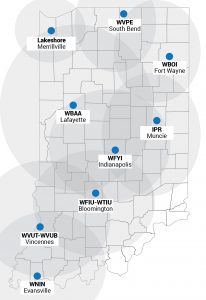
In 2016, StateImpact joined a new collaboration. Indiana’s NPR and PBS-affiliates in the state came together to support a team of reporters to cover not only Indiana’s education policy, but also government, health, business and energy issues. This group is now known to many as Indiana Public Broadcasting.
That change has prompted changes with StateImpact. There are no plans to update the project’s website, indianapublicmedia.org/stateimpact. That’s because local NPR and PBS station partners’ websites are home to stories from the Indiana Public Broadcasting team.
These in-depth stories will be available on StateImpact’s social media accounts. We’ll continue to share these stories, but you’ll see them on our partner stations’ websites. Expect to see a more active social media presence from StateImpact in the future: find us on Twitter @StateImpactIN and on Facebook at facebook.com/StateImpactIN. Our name will change, but our handles will stay the same for the near future.
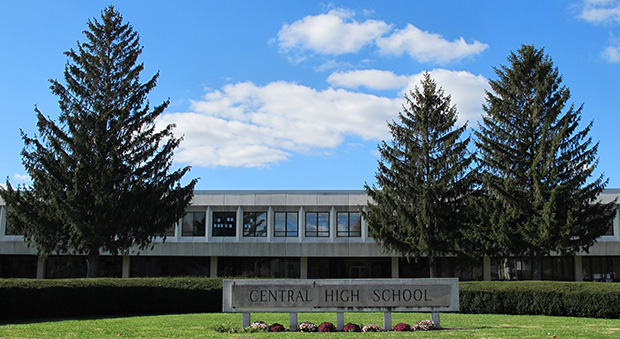
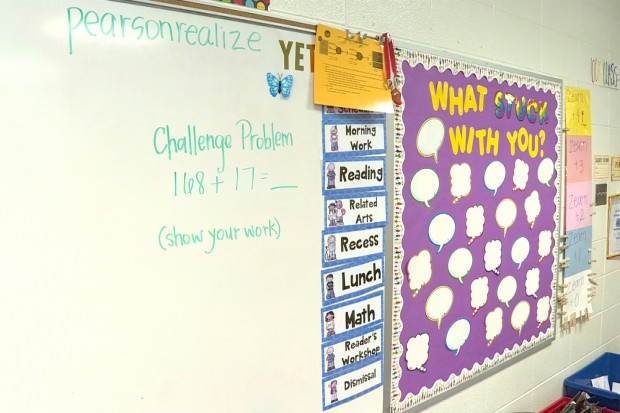
School violence in Florida last month has sparked a wildfire of activism around school safety, and school administrators across the state are working to prepare for student protests planned this month and next.
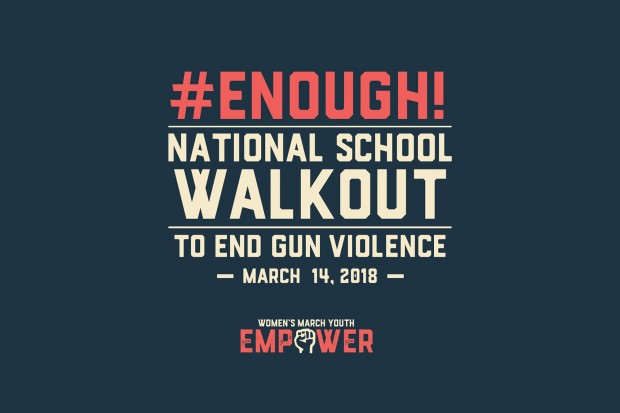
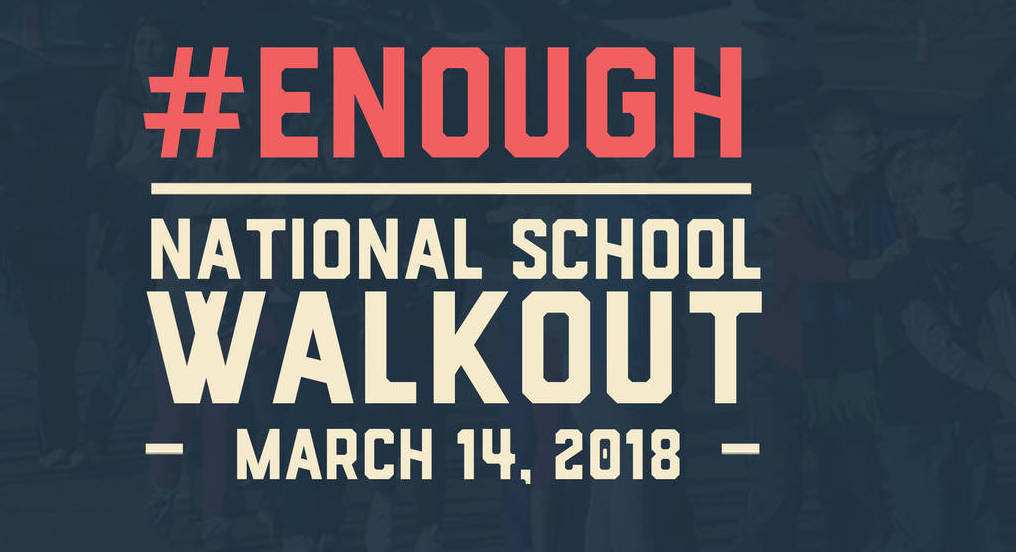
On March 14, students across the country will join a nationwide school walkout, scheduled for a total of 17 minutes. Each of those minutes represents a victim of the shooting in Parkland, Florida, last month.
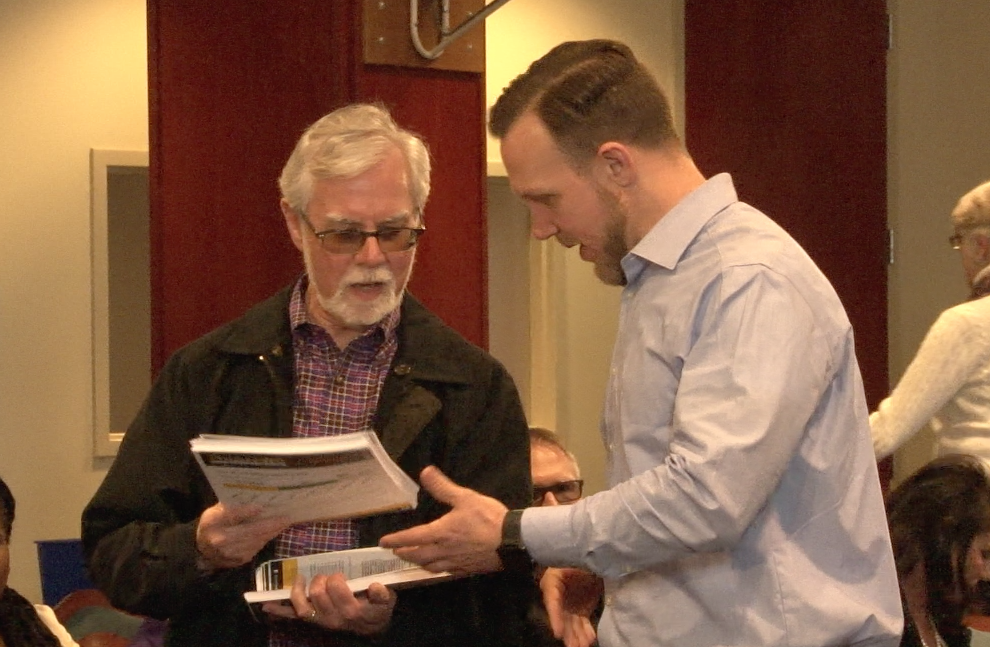
Saturday’s public meeting was organized by Muncie Community Schools board member Jason Donati – the only member not to speak publicly in support of House Bill 1315 and Ball State’s plan to run Muncie Community Schools. And those in the audience felt similarly. In the two hours of public comment, no community member spoke in full support of the bill.
The audience was made up of parents of MCS students, like Ann Polk and Phil Boltz.
“Never in my wildest dreams professionally, as a parent, or as a community member have I felt so small and powerless,” says Polk.
“This is about using the opportunity of the Muncie Schools’ funding crisis to float a test balloon for school takeover in Indiana and in the United States,” says Boltz.
Indiana lawmakers are scheduled to discuss a bill in conference committee Monday that would let Ball State University run schools in Muncie. And after a weekend community forum, they know more about how Muncie feels about the details of that plan. As IPR’s Tony Sandleben reports, those feelings ran
The emergency management team at MCS says those high school students that voluntarily walk out at 10:00 AM will head to the football field to hear speakers talk about gun violence and the law.
Some school districts across the country have threatened to punish students with disciplinary action if they participate in such events. That has led many universities to reassure students applying for college that their admissions teams won’t hold that action against the applicant.
Officials at Muncie Community Schools say the district will support students who choose to participate in a national walkout next week. Wednesday’s coordinated national action includes a 17-minute walkout to honor the 17 people killed in a school shooting in Florida last month. The emergency m
As lawmakers close in on the end of the legislative session, they’re working to finalize a bill that would address the state’s school funding gap. The school funding shortfall for this fiscal year is estimated at more than $22 million.
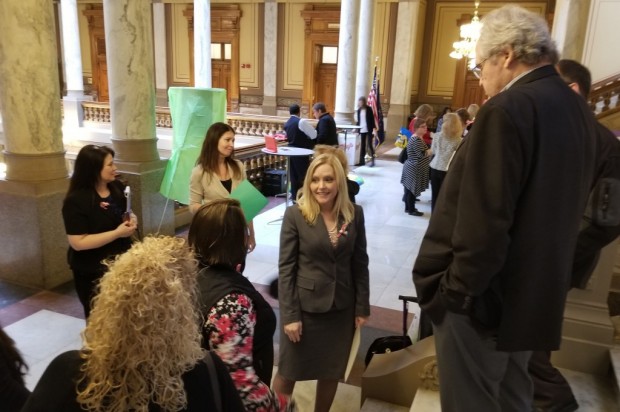
Sen. Erin Houchin (R-Salem) meets with supporters of her dyslexia bill after a hearing in the House. (Jeanie Lindsay/IPB News)
Advocates for dyslexia awareness say not enough teachers know how to identify and help students with the learning disability early on, but a bill the General Assembly approved this week aims to change that.
House Bill 1315 is a bill that, as its Senate sponsor put it, will help schools from becoming “distressed” like corporations in Muncie and Gary. But it also adds new rules to the state takeovers of those two districts. In Muncie, it would turn over the local schools to Ball State University. It would replace the elected school board with one appointed largely by Ball State. And it has no specified end date.
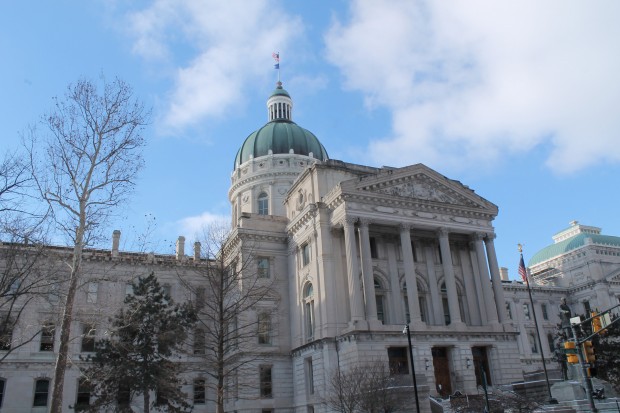
The Senate has approved a school financials bill that would, in part, let Ball State University run Muncie Community Schools. Senate discussion saw Delaware County’s two senators disagree on the first-of-its-kind plan in Indiana. Now, IPR’s Stephanie Wiechmann reports on what happens next.
This year does mark a record high for the number of students using vouchers who have never attended public school in Indiana. (Jeanie Lindsay/IPB News)
The State Department of Education’s most recent update reveals the state has awarded more than $150 million in vouchers this year. The program allows students to use state money to pay for tuition at non-public schools.
But growth has slowed for the past two years. The increase in participation for the 2017 and 2016 school years, landed around 4 and 5 percent, respectively. That’s compared to a 12 percent increase in participation in 2015.
A spokesperson for the State Department of Education says the agency doesn’t keep information to help identify why growth has slowed.
This year does mark a record high for the number of students using vouchers who have never attended public school in Indiana, and more students are using state special education funds to access services through private schools.
Applications for choice scholarships for the 2018-19 school year close Sep. 1.
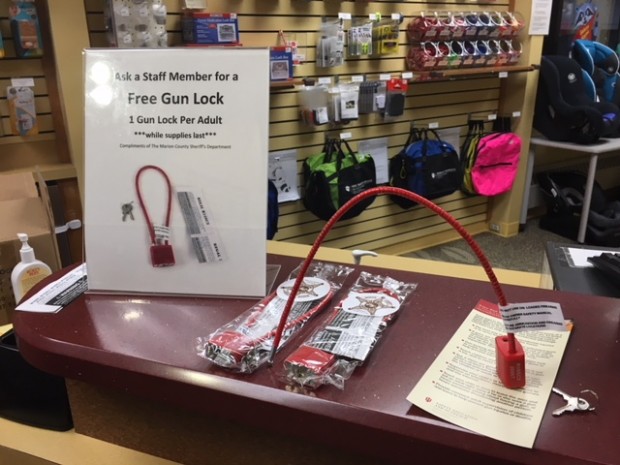
Riley Hospital offers free gun locks to anyone. (Photo courtesy of Riley Hospital IU Health)
An estimated 39 percent of Hoosiers have firearms and a new study find many of those guns are not stored properly.
A report published in the Journal Pediatrics states only an estimated one third of Indiana households with guns store them safely.
The report from the American Academy of Pediatrics specifically asked for the mental health history of children in the home and if firearms are stored locked and unloaded.
StateImpact seeks to inform and engage local communities with broadcast and online news focused on how state government decisions affect your lives. Learn More »