Menu
search
Environment, Education, Energy, Health And Justice: Policy to People
A
reporting
project of
NPR
member
stations
StateImpact Oklahoma
Thursday, December 8, 2022 | 5:00 am
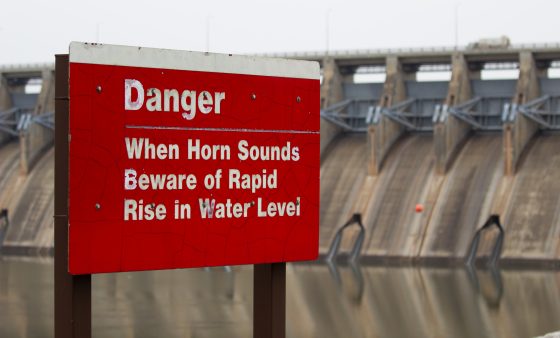
‘Disasters that define us’: Examining Northeast Oklahoma’s patchwork of flood protections
By
Beth Wallis
Thursday, April 21, 2022 | 4:00 am
Striking gold in the green rush: entrepreneurs tap into Oklahoma’s weed economy
By
Beth Wallis
Thursday, January 6, 2022 | 1:55 pm
StateImpact is again tracking school closures amid the coronavirus pandemic
By
Robby Korth
Thursday, January 6, 2022 | 4:00 am
Unintended consequence of SQ 780 may impact access to drug treatment courts
By
Beth Wallis
Thursday, September 23, 2021 | 5:58 am
Santa Fe South was the first district to implement a mask mandate in Oklahoma this fall. Here’s how it’s going
Superintendent: 'The very first day back where we had made the choice, 100% of our kids walked in the door with a mask on or willing to put one on with no argument.'
By
Robby Korth
Thursday, September 9, 2021 | 12:00 pm
See which Oklahoma schools are requiring masks with opt out provisions, now that it’s officially allowed under state law
StateImpact is keeping track of Oklahoma schools with mask mandates
By
Robby Korth
Friday, November 20, 2020 | 1:05 pm
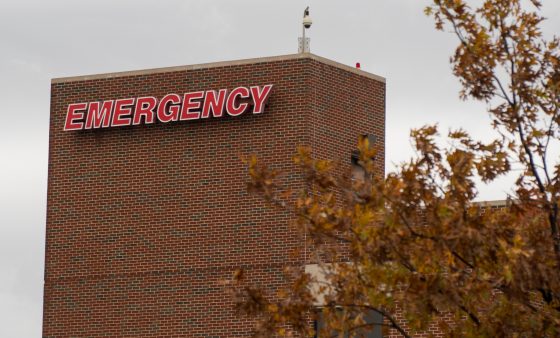
“Almost impossible:” Oklahoma’s coronavirus surge has made ICU space hard to find
Rural and metro hospitals alike are struggling to find room for critical patients
By
Catherine Sweeney
Thursday, October 1, 2020 | 7:06 am
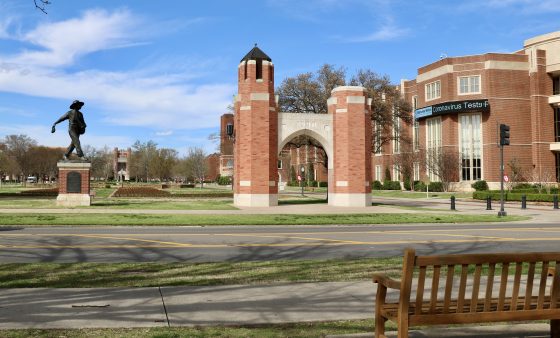
Oklahoma’s college campuses continue to be coronavirus hotspots
Uneven reporting makes spread tough to quantify, but state leaders say college communities are driving COVID-19 rates
By
Robby Korth
and
Catherine Sweeney
Updated: November 6, 2020 | 10:00 am
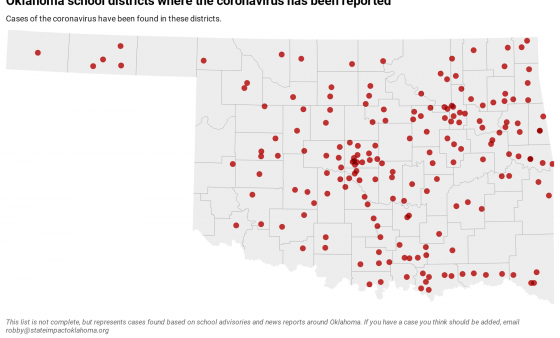
StateImpact Oklahoma is tracking the hundreds of COVID-19 cases in schools
By
Robby Korth
Friday, May 29, 2020 | 1:15 pm
State budget cuts put Oklahoma’s higher education funding back in the 20th century
COVID-19 cuts to higher ed plunge higher ed funding
By
Robby Korth
Load More
Search for:
search
Explainers
(listed by story count)
Energy Industry
276
Water
234
Earthquakes
148
Disposal Wells
119
Drought
118
Wind Energy
83
Corporation Commission
79
EPA
77
Mary Fallin
68
Chesapeake Energy
65
Oil and Gas Boom
62
Agriculture
56
Income Tax
54
Education
48
See Full List
StateImpact Oklahoma Team
REPORTERS
Quinton Chandler
Robby Korth
Logan Layden